046 645 3030










Maths in the Garden: Fun Ways to Learn Maths This Spring
Sep 14, 2026 |

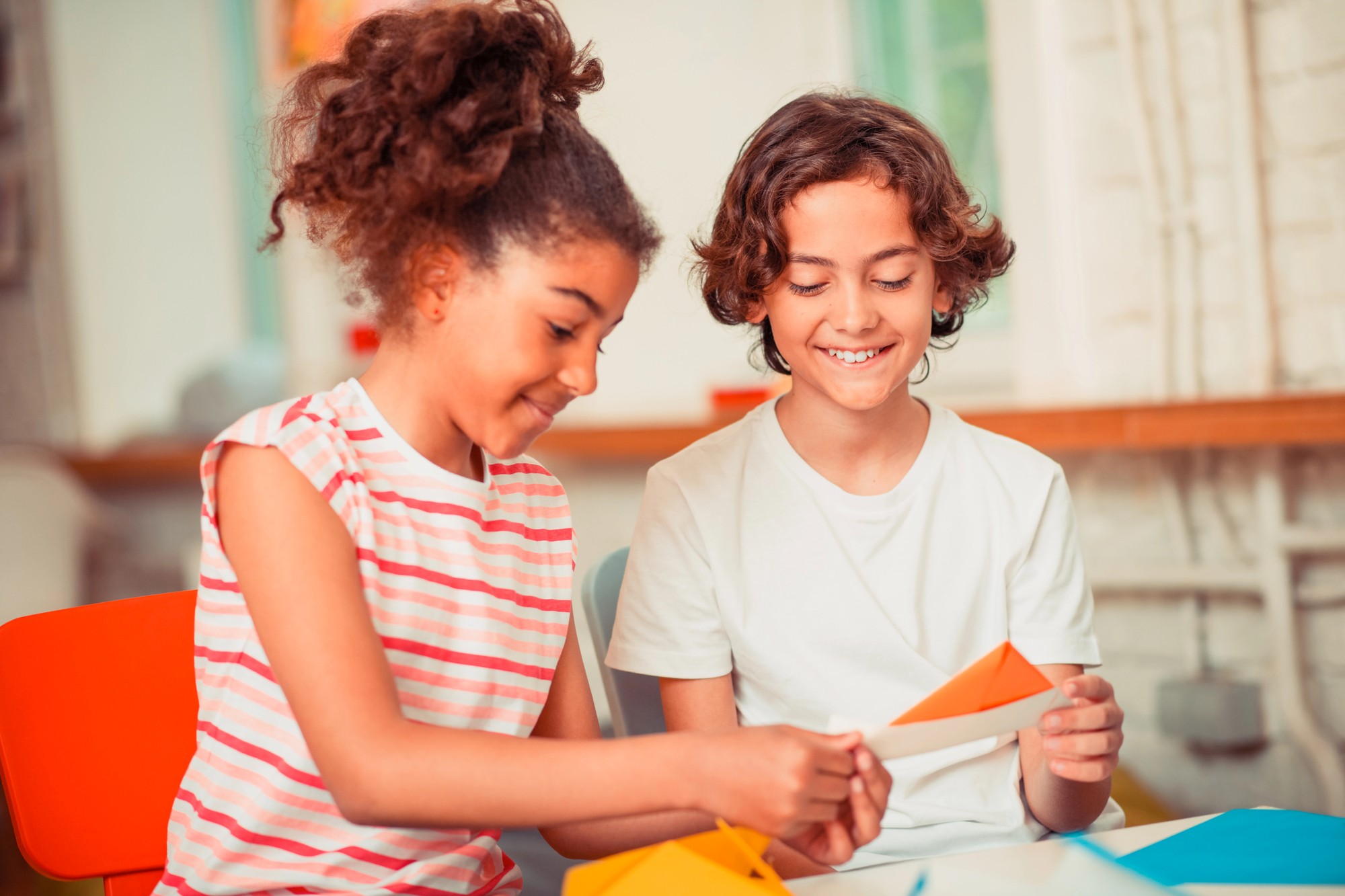
Fun, laughter, and learning that actually sticks
Maths does not have to be something kids do quietly on their own. Some of the best learning happens when students work together, share ideas, and even have a bit of a laugh along the way.
When friends learn maths together, it feels less like a task and more like something they want to be part of. That small shift can make a big difference in confidence and understanding.
Ever noticed how kids are more willing to try something when their friends are involved?
Working together takes the pressure off. Students feel more comfortable asking questions, making mistakes, and trying again. They also pick up new ways of thinking just by hearing how someone else approaches the same problem.
Sometimes, a quick explanation from a friend is all it takes for something to finally make sense.
Learning maths with friends naturally builds skills without it feeling forced:
It turns maths into something interactive instead of something they just have to get through.
If you want to make maths more enjoyable, games are the easiest place to start. These work just as well at home as they do in tutoring sessions.
Maths Relay
Split into teams and solve questions one at a time. Each correct answer unlocks the next one. First team to finish wins.
24 Game
Pick four numbers and try to make 24 using any operations. It is quick, competitive, and surprisingly addictive.
Create Your Own Quiz
Kids take turns making questions for each other. It is a fun way to test knowledge and get creative at the same time.
Maths Bingo
Fill a bingo card with answers and call out the questions. Simple, fun, and great for practising key skills.
Working with friends helps kids build more than just maths ability. It also develops:
These are skills that help in school and beyond.
The goal is not just improving marks. It is helping kids feel capable and confident.
When maths is social and enjoyable, students are more likely to stay engaged and keep improving. Whether it is at home, at school, or even in places like Mathnasium, the idea is the same. Create an environment where kids feel supported and motivated.
Next time maths homework comes around, try turning it into a group activity. Invite a friend, make a game out of it, and see what happens.
You might be surprised how quickly maths becomes something they actually look forward to.