Homework time can turn into a standoff. A pencil gets chewed, a worksheet gets pushed away, and someone announces that math is boring. Plenty of Glenview parents have been there. The thing is, kids rarely hate numbers themselves. They hate the pressure that comes with getting answers right. Turn the same numbers into a game and that pressure melts away. A child who plays with math at home brings a lighter, braver attitude to school.
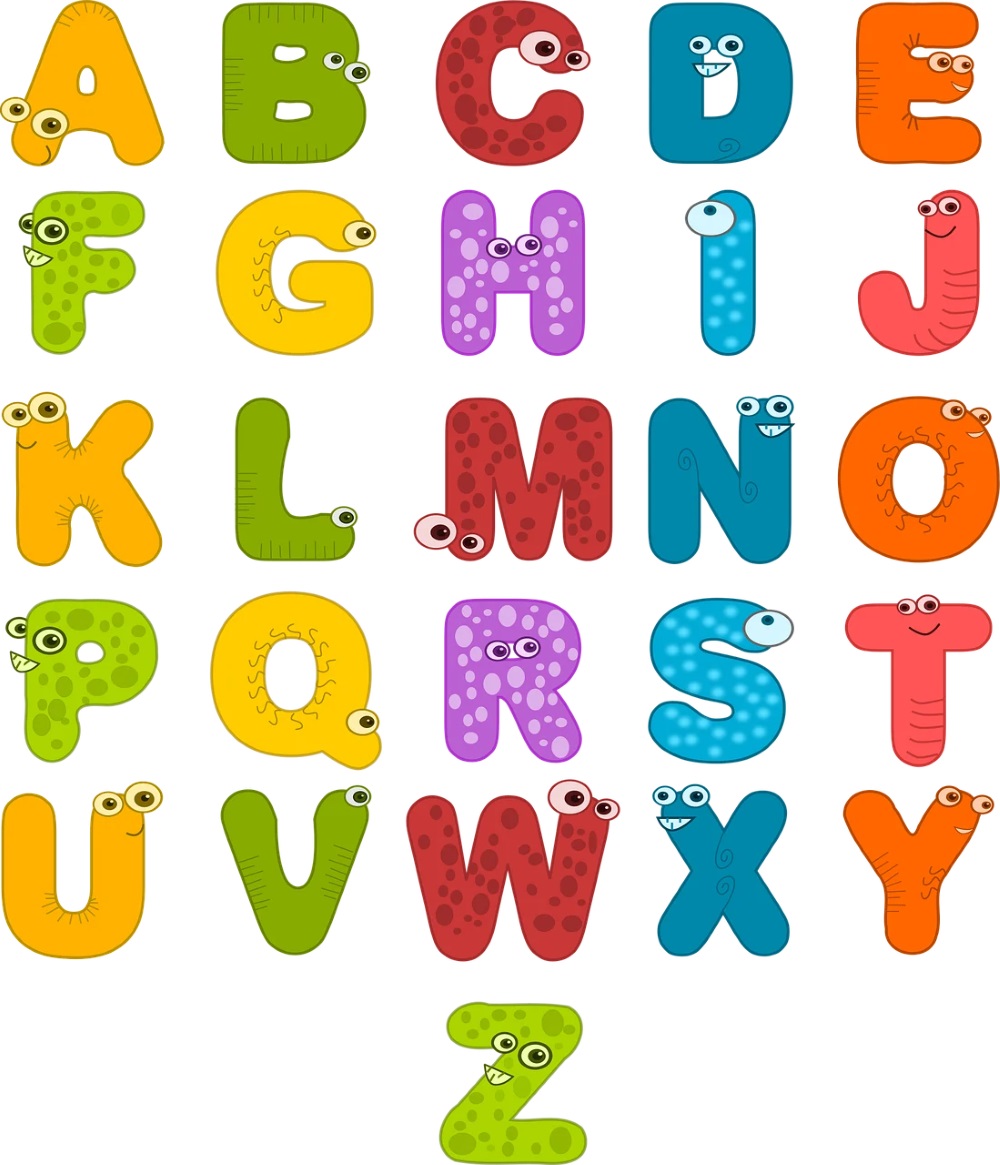
Here’s one simple game for each letter of the alphabet. You won’t need to buy anything, since a deck of cards, a pair of dice, and a few household items cover almost every one. Slip them in at a Glenbrook South game, on a stroll through the neighborhood, or during the last few minutes before bedtime.
A is for Addition. Try an Addition War. Both players flip two cards and add them up, and the bigger total wins the round. For an extra challenge, flip three cards.
B is for Bingo. Make bingo boards covered in answers. Announce “7 + 6,” and your child scans for the 13 and covers it.
C is for Counting. Sit around the table and count by twos, fives, or tens, one number per person. If someone loses track, everyone starts over, and the groans usually turn into giggles.
D is for Division. Give your child a bowl of snacks and a few stuffed animals to feed. Sharing the food evenly teaches division, and the crumbs left over introduce remainders.
E is for Estimation. Pack a jar with buttons, beans, or cereal pieces. Everyone makes a guess, then you count together and find out who got closest.
F is for Fractions. Slice a pizza or sandwich into equal pieces and ask your child to hand out “two-thirds” to someone at the table. Eating makes the lesson stick.
G is for Geometry. Start a scavenger hunt for shapes around your home. Can your child find a circle, three rectangles, and a triangle? Every find earns a point.
H is for Hopscotch. Chalk numbers across the driveway, then call out a problem. Your child hops to the right answer. When that gets easy, switch to counting by fours.
I is for Inequalities. Flip over two cards and ask which number is greater. Your child can pretend to be a hungry alligator whose mouth always opens toward the larger one.
J is for Jumping Jacks. Call out a fact such as 5 x 3, and your child does that many jumping jacks. It’s a good way to wiggle out the energy while practicing facts.
K is for Kitchen Math. Have your child double a recipe, or cut one in half. Suddenly three-quarters of a cup becomes a cup and a half, and the finished dish is a tasty reward.
L is for Logic. Pick a secret number from 1 to 50. Your child asks yes or no questions like “Is it more than 20?” until they crack the code.
M is for Multiplication. Roll two dice and multiply the numbers together, keeping a running score. Whoever reaches 100 first wins, and facts get practiced without a single flash card.
N is for Number Line. Lay a long strip of painter’s tape on the floor and mark it 0 to 20. Your child steps ahead to add and steps back to subtract.
O is for Odds and Evens. Shout out numbers quickly. Your child claps for evens and stomps for odds. Go faster as their confidence grows.
P is for Patterns. Arrange blocks, coins, or snacks into a repeating pattern like red, red, blue. Your child guesses what comes next, then builds a pattern for you to figure out.
Q is for Quarters. Pour a handful of coins on the table and challenge your child to find different combinations that add up to exactly one dollar.
R is for Rounding. Play pretend grocery shopping. Round each price to the nearest dollar, guess the total, and see how close you were once the receipt prints.
S is for Subtraction. Begin at 50 and take turns rolling a die and subtracting what you roll. You need to land on zero exactly, and the final turns get surprisingly intense.
T is for Time. Appoint your child as the family timekeeper. How many minutes until dinner? If practice starts at 6:30 and the drive takes 25 minutes, when do we walk out the door?
U is for Units. Hand over a measuring tape and let your child measure the dog, a couch cushion, or their own foot. Then convert inches into centimeters and talk about why the numbers differ.
V is for Venn Diagrams. Set down two hula hoops so they overlap in the middle. Sort toys or snacks by traits, such as “red” and “crunchy,” and put anything with both traits in the shared space.
W is for Word Problems. Take turns dreaming up silly stories with math inside. “A dragon ate 4 tacos on Monday and 7 more on Tuesday...” Making up the problem is often harder than solving it.
X is for X Marks the Spot. Hide a small prize and write clues as easy equations. “Look under the number x, where x + 4 = 9.” It’s a playful first step toward algebra.
Y is for Yard Sale. Stick price tags on household items and run a pretend sale. Your child manages the cash box and counts back change, which is real-life math in action.
Z is for Zero Hero. Draw digit cards and arrange them into the largest number you can, then the smallest. Kids soon spot that where the zero sits makes a big difference.
Make It Fun, Keep It Light
You don’t have to play all 26 games, and you don’t need to correct every slip. What counts is that your child starts to feel, “I can do this, and it’s kind of fun.” A few laughs over a deck of cards can do more than a long night of sighing over worksheets.
If your child keeps struggling even when math feels playful, don’t worry. It’s very common, and it often means a skill from an earlier grade never fully clicked. At Mathnasium of Glenview, our instructors begin by finding exactly where your child needs support. Then they put together a plan made for that student alone, closing gaps and building lasting confidence. Glenview families rely on us to help kids move from “I can’t” to “I’ve got this.”
Want to know where your child stands right now? Contact Mathnasium of Glenview to schedule an assessment. Until then, grab a deck of cards, choose a letter, and start playing.


 (847) 998-0900
 (847) 998-0900