

Naperville North
8 West Gartner Road
, Suite 132
Naperville, IL 60540
Naperville, IL 60540
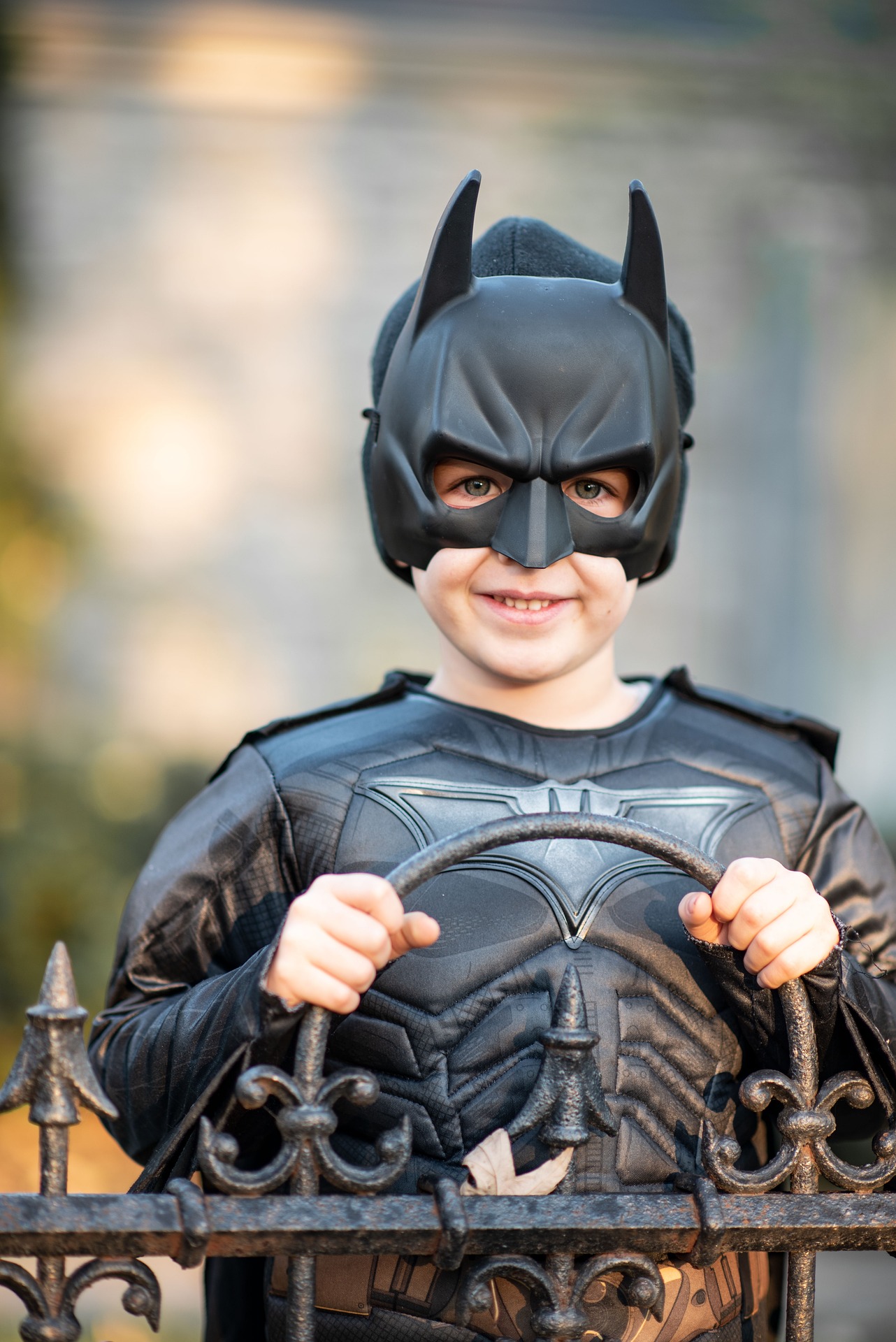
The costumes are chosen, the porch is decorated, and the jack-o'-lanterns are waiting for their turn with the carving knife. Halloween is just around the corner in Naperville, and while your kids are focused on candy, something quietly wonderful is happening: they're surrounded by math.
This parent's guide to sneaking math into Halloween fun in Naperville is full of simple ideas that need almost no prep. Each one turns the things your kids already love about the holiday into friendly practice with numbers, patterns, and problem solving. No worksheets, no groaning, just a little extra math confidence tucked inside the treats.
Math Is Hiding in Every Halloween Tradition
Take a look at a typical Halloween evening. Kids compare their hauls, decide what's fair when they trade, figure out how far it is to the next street, and keep a running tally of the houses they've visited. That is counting, comparing, measuring, and reasoning, all before bedtime.
When math connects to something kids care about, they naturally lean in. A child who would never volunteer to practice division will happily work out how to split a pile of candy evenly. At Mathnasium of Naperville North, we've seen again and again that confidence grows when kids feel math is useful and doable, and Halloween is a wonderful place to let that feeling take root.
Start With the Candy Count
The easiest way to start after trick-or-treating is to count the loot. Preschool and kindergarten kids can pull each piece from the bag and count aloud, saying one number for each piece. Pairing a number with an object is the first big step in counting. Practice grouping pieces into twos and fives, and you've introduced skip counting along the way.
For early elementary kids, invent a little story. "You started with ten pieces and gave your sister four. How many do you have left?" Or try, "You collected eight on Elm Street and seven on Oak. What's your total?" Encourage them to share their thoughts out loud. Hearing how a child solved the problem tells you far more than whether the answer was right.
Upper elementary and middle school kids can take on estimation and averages. Have them predict how many pieces are in the bag before counting. Then, if they visited fifteen houses and gathered 90 pieces, ask for the average per house. It's a division problem disguised as a treasure hunt.
Sort It Out: Candy Categories and Easy Graphs
After the doorbells quiet down, spread the candy across the floor and let your child be the scientist. Sort by anything: flavor, wrapper color, size, chocolate or fruity, crunchy or chewy. Then ask them to explain their rule to you. Putting a sorting rule into words builds the kind of logical thinking that shows up everywhere in math.
Next, turn the piles into a picture. Young kids can stack the candy in rows to make a living bar graph. Older kids can sketch one on paper with labels and evenly spaced numbers along the side. Then ask questions. Which group has the most? How many more peanut butter cups than lollipops? If 9 of your 36 pieces are sour, what fraction of your candy is sour? A child who sees that nine out of thirty-six is one fourth just did fractions, and probably enjoyed it.
You can raise the challenge by sorting with two rules at once, like chocolate and also wrapped in red. That's a gentle introduction to the overlapping circles of a Venn diagram.
Sharing, Swapping, and Ratios
Sibling candy politics are a division lesson in disguise. Suppose your child came home with 30 pieces and the family agrees to share equally among three kids. How many pieces does each child get? If there's an extra one, what should happen to it? Remainders feel much more real when they involve the last chocolate bar.
Swapping is where ratios sneak in. If three small candies are worth one full-size bar, how many small candies would your child need to get two bars? Let your kids set the rates and run the market. They'll practice multiplication and proportional reasoning without noticing, and negotiation skills come as a bonus.
Patterns and Puzzles With Your Treats
Candy makes a great pattern tool. Line up pieces in a repeating order, such as chocolate, gummy, gummy, chocolate, gummy, gummy, and ask what comes next. Older kids can predict what the twentieth piece will be without lining them all up, which leads straight to multiplication and remainders. For a fun family night, try Halloween bingo with answers on the cards. Call out problems like six times four and let everyone race to cover the right square.
Pumpkin Measuring and Seed Counting
If you're picking out pumpkins this year, bring a little math along. Ask your child to guess which pumpkin is heaviest, then check it on a scale. Wrap a string around the widest part and measure it with a ruler to find the distance around. Arrange a few pumpkins from shortest to tallest and discuss how you decided.
Carving day brings seed counting. Have your child estimate the number of seeds first, then group them into piles of ten and count by tens. It's a hands-on way to see why place value makes large numbers easier to handle. Later, when you roast the seeds, measure the oil and seasoning together and talk about halves and quarters.
Costume Budgets and Party Planning
Costumes teach money skills. Set a budget, say $25, and have your child plan what to buy. If a wig costs $9.75 and a cape costs $8.50, how much is left for makeup? Adding and subtracting decimals feels much more meaningful when the money is going toward a costume they've dreamed up.
Planning a Halloween get-together? Let your child help with the shopping list. If eight friends are coming and each wants two cupcakes, how many do you need? If cupcakes are sold in boxes of six, how many boxes should you buy? Kids practice multiplication, division, and rounding up while feeling like an important part of the party.
Keep It Fun and Flexible
The magic of sneaky math is in the delivery. Weave questions into conversation rather than quizzing, and follow your child's lead on what interests them. If an answer isn't right, stay curious: "That's interesting, tell me how you got there." A relaxed response helps kids see mistakes as a normal step on the way to understanding.
Match the activity to your child. If it's too easy, add a challenge. If it's frustrating, pause and try something simpler. Short, cheerful math moments will do more than a long session that ends in frustration. And yes, a piece of candy is a perfectly reasonable reward for good thinking.
Extra Support for Naperville Students
Holiday math is a wonderful way to keep skills sharp, but it works best alongside steady, personalized teaching. If your child is struggling with math at school, losing confidence, or ready for something more challenging, Mathnasium of Naperville North is here to help. Our instructors identify each student's strengths and gaps, then create a custom learning plan that builds understanding step by step. We work with families across Naperville, including students in District 203 and District 204, from elementary math through high school courses.
Ready to help your child feel confident with math? Contact Mathnasium of Naperville North today to schedule an assessment, and have a safe and happy Halloween.

 (630) 281-2384
 (630) 281-2384





