
 (858) 513-7887











Closing Math Gaps: Helping Students Feel More Confident at School
Sep 18, 2026 | Poway

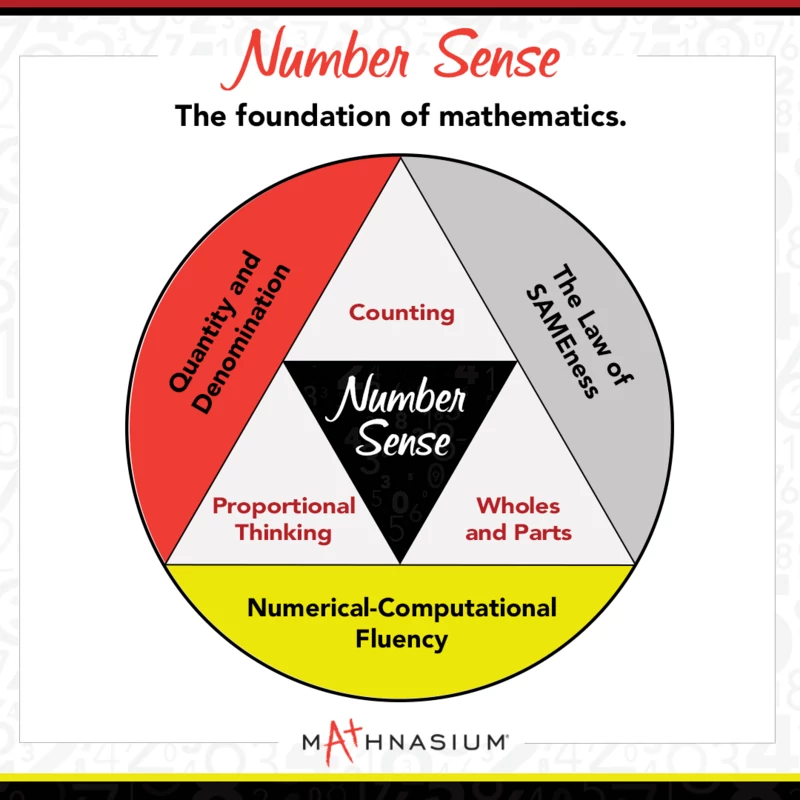
Many parents worry about whether their child is “good at math.” A more important question is often whether their child feels comfortable learning math. That sense of comfort or discomfort begins early and can quietly influence academic choices and career paths years down the line.
Math is cumulative by nature. When a child doesn’t fully understand an early concept, the gap doesn’t simply fade away. Instead, it tends to resurface later, often showing up as frustration, confusion, or avoidance. Fractions are a common example of this. If a child never truly understands what fractions represent—parts of a whole, relationships between numbers, or proportional thinking—future topics can feel much harder than they need to be. Decimals, percentages, algebra, science formulas, and even basic financial concepts all rely on that early understanding. The difficulty isn’t a lack of intelligence; it’s an unstable foundation.
Over time, repeated struggles can turn into insecurity. Most children don’t move away from math-heavy subjects because they lack ability, but because they begin to doubt themselves. When fractions feel confusing year after year, children may internalize that struggle and start to believe they are “not a math person.” They notice peers who seem more confident and worry about failing if they continue.
Eventually, that insecurity influences real decisions, because they influence real decisions later on:
Avoiding advanced math courses
Steering away from science, technology, engineering, or economics
Ruling out careers they might otherwise enjoy and succeed in
Filling knowledge gaps early helps prevent this cycle by building learning confidence through learning. When children understand foundational concepts like fractions, they learn that confusion is part of learning, not a sign of failure! They become more willing to ask questions, break problems into manageable steps, and persist when something feels challenging. This confidence often extends beyond math, shaping how they approach new subjects and unfamiliar situations throughout their education and lives.
For example, fractions themselves are far from abstract. They appear in everyday life—measuring ingredients while cooking, understanding sports statistics, interpreting graphs, comparing quantities, and making financial decisions. When children grasp fractions, math begins to feel relevant and logical rather than mysterious or intimidating. The goal isn’t speed or perfection, but understanding and comfort.
By persevering through challenging learning experiences, children discover their own ability to overcome obstacles and achieve goals that once felt unattainable.
The long-term payoff of addressing math gaps early is significant. Children experience less anxiety around learning, make academic choices based on interest rather than fear, and keep more career paths open as they grow. By supporting your child’s understanding now, you’re not just helping with today’s homework. You’re helping them build the confidence to say “yes” to opportunities in the future—starting with something as foundational as fractions.
Click the link to schedule today: Schedule Free Assessment Now!
Mathnasium of Poway
Phone: (858)-513-7887
Email: [email protected]
13265 Midland Rd, Suite 160, Poway, CA 92064

