To the RIGHT usually denotes a POSITIVE change. To the LEFT usually denotes a NEGATIVE change.
Direction of change describes which way a value moves, and in math, direction carries meaning. Moving to the right on a number line means increasing, which we call a positive change. Moving to the left means decreasing, which we call a negative change.
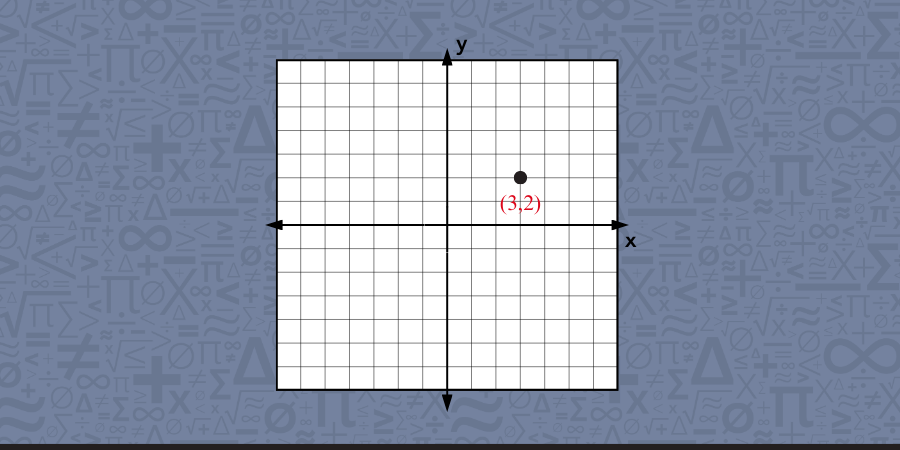
This convention is built into how we read number lines and coordinate planes. Zero sits at the center, positive values extend to the right, and negative values extend to the left. When a value changes, the direction of that change tells us whether it grew or shrank.
For example:
-
Starting at 3 and moving to 7 is a positive change of +4 (we moved right)
-
Starting at 3 and moving to –1 is a negative change of –4 (we moved left)
Direction of change also appears in graphs. When a line or curve moves upward from left to right, it shows a positive change in the output. When it moves downward, the change is negative.
This idea connects closely to signed numbers, slope, and percent of change — any time math describes how something shifts, direction tells us which way.
When Do Students Learn About Direction of Change?
Students build intuition for direction of change as soon as they begin working with number lines.
Grades K–2 – Number Lines and Movement
Students move forward and backward on number lines, developing early intuition for rightward (increasing) and leftward (decreasing) movement.
Grades 3–5 – Positive and Negative Change
Students work with negative numbers and signed quantities, connecting direction of movement on the number line to positive and negative values.
Grades 6+ – Direction of Change in Graphs and Algebra
Students analyze direction of change in linear and nonlinear graphs, connecting it to slope, rate of change, and the behavior of functions.