





The number of the Golden Ratio.
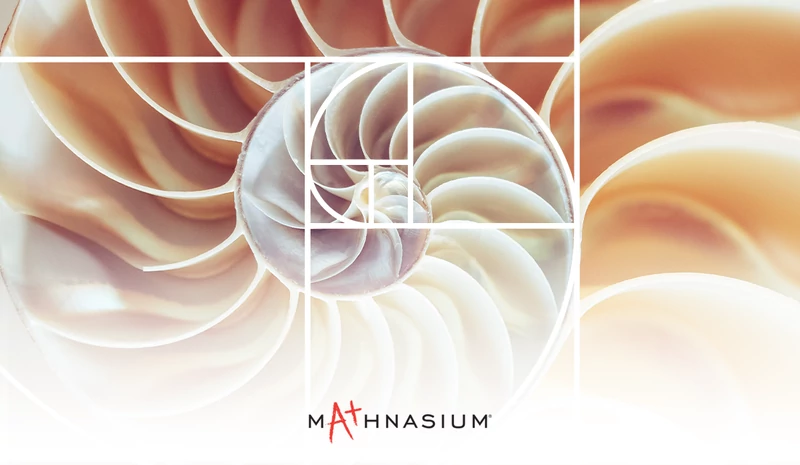
Phi (written as φ) is the symbol for the Golden Ratio, a special number approximately equal to 1.618. It describes a proportion that appears with remarkable frequency in mathematics, nature, art, and architecture.
The Golden Ratio is defined by a specific relationship: if we divide a line into two parts so that the ratio of the whole line to the longer part equals the ratio of the longer part to the shorter part, that ratio is phi.
In numbers: φ = (1 + √5) / 2 ≈ 1.6180339...
Like pi, phi is an irrational number, which means its decimal expansion goes on forever without repeating.
Phi appears in some surprising places:
-
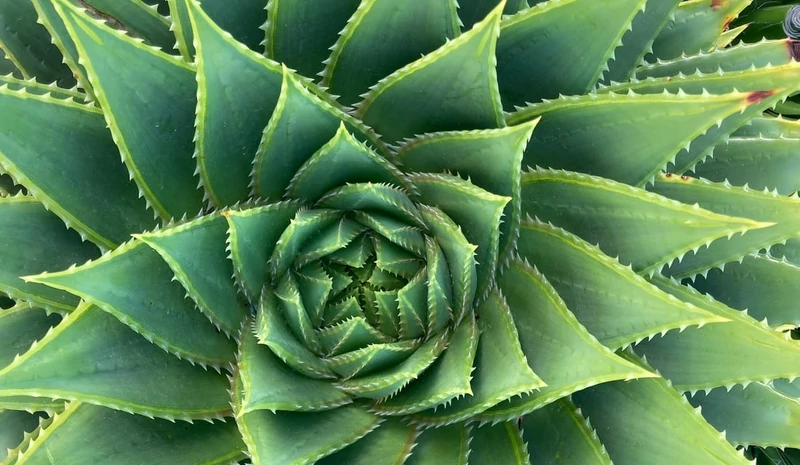
The spiral patterns of seeds in a sunflower head follow Golden Ratio proportions.
-
The Fibonacci sequence approximates phi. As the sequence progresses, the ratio of consecutive terms (such as 89 ÷ 55) gets closer and closer to 1.618.
-
Artists and architects have used the Golden Ratio for centuries to create compositions considered visually pleasing.
Phi is one of those numbers that sits at the intersection of pure mathematics and the observable world, making it one of the most fascinating constants students will encounter.
When Do Students Learn About Phi?
Students build toward phi through their work with ratios, irrational numbers, and sequences.
Grades 6–8 – Ratios and the Fibonacci Sequence
Students explore ratios and the Fibonacci sequence, noticing how the ratio of consecutive Fibonacci terms approaches a fixed value — their first encounter with phi.
Grades 9+ – Phi in Advanced Mathematics
Students encounter phi formally in discussions of irrational numbers, the Fibonacci sequence, geometric proportions, and its appearances in art and nature.