

Barrington
106 N Northwest Hwy
, #C
Barrington, IL 60010
Barrington, IL 60010
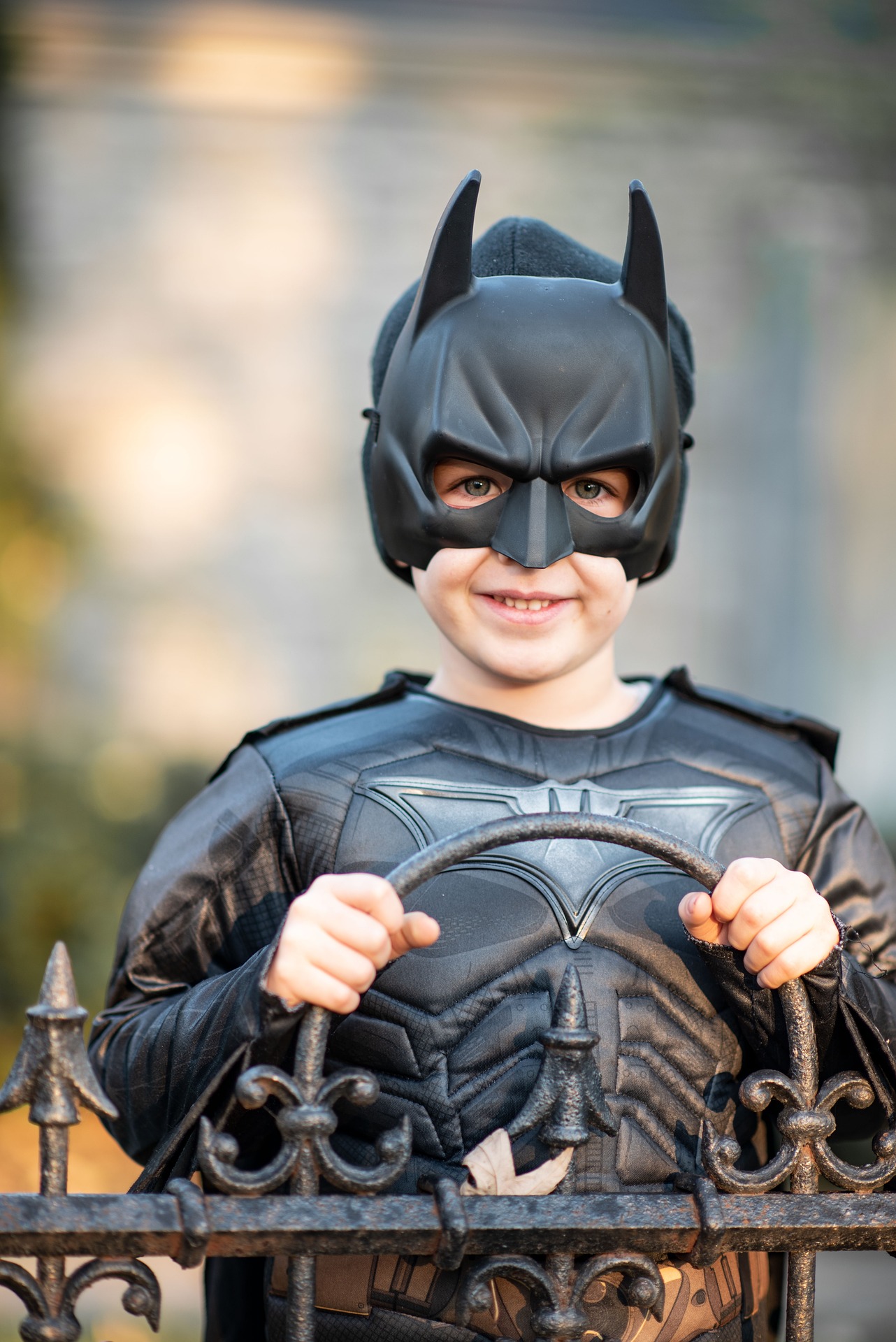
Halloween in Barrington has a rhythm all its own. The leaves are down, the evenings are crisp, and kids are bundled into costumes with room for a warm layer underneath. Somewhere between the pumpkin carving and the trick-or-treating, there's a golden opportunity that most families miss: Halloween is full of math.
Barrington families tend to value enrichment, and the best enrichment doesn't always look like school. This parent's guide to sneaking math into Halloween shares easy, low-prep activities that build number sense, problem solving, and confidence while your kids think they're just having fun. From counting candy to budgeting a costume, you can turn the whole season into practice that sticks.
Why Halloween Is Secretly a Math Holiday
Think about everything your child does on Halloween. They count treats, compare piles, divide things fairly, measure pumpkins, and plan costumes on a budget. Every one of those is a real math skill, and none of them requires a worksheet.
Kids learn best when they care about the answer. A question like "how many pieces can you eat each day so your candy lasts until Thanksgiving?" gets far more effort than a similar problem in a textbook. When math serves a purpose your child cares about, they're willing to guess, check, and try again. That habit of persistence is exactly what we work to build at Mathnasium of Barrington.
Candy Counting for Every Age
Start with the simple stuff. Younger children can count their candy one piece at a time, touching each one as they say the number. That touch builds one-to-one correspondence, which is the foundation of counting. Once that feels easy, have them count by twos, fives, and tens to practice skip counting.
Elementary-aged kids can turn candy into story problems. If they got nine pieces from the first street and fourteen from the second, how many do they have? If they trade away six, how many remain? Ask them to explain how they figured it out. Some kids add in their heads, some count up, and some break numbers into friendly tens, and hearing the different strategies is half the fun.
For older kids, make it a challenge of estimation. Fill a bowl with candy and have everyone guess the total before counting. Then ask how close each guess was and why. You can push further by asking for the average number of pieces per house if your child visited twelve houses and collected 84 pieces. Division suddenly has a purpose.
Sorting, Classifying, and Graphing the Haul
Once trick-or-treating wraps up, the candy pile is a perfect data set. Let your child choose how to sort it. Color, size, brand, chocolate versus non-chocolate, and wrapped versus unwrapped are all fair game. Then ask them to describe their rule. Explaining a rule is a real mathematical skill, and it prepares kids for categorizing and logical reasoning in later grades.
Next, count each group and build a graph. Little ones can line candy up on a table to see which row is longest. Bigger kids can draw a bar graph or pictograph with labeled categories and a scale. Ask comparison questions. How many more chocolate bars than gummies? What's the difference between your biggest pile and your smallest? If 12 of your 48 pieces are chocolate, what fraction of the haul is chocolate? Kids can see that one fourth is a quarter, and percentages follow naturally.
For an extra challenge, sort by two features at once. How many pieces are both chocolate and have nuts? That's the logic behind a Venn diagram, and it helps kids see how categories overlap.
Fair Shares and Candy Trades
Few things teach division like splitting treats between siblings. If your child brings home 36 pieces and wants to share equally with two siblings, how many does each person get? What happens with leftovers? Working through remainders in real life makes the concept clear in ways that notes on a board often can't.
Trading is a sneaky way to build proportional thinking. If a king-size bar is worth three fun-size pieces, how many fun-size pieces buy two king-size bars? Let kids set the exchange rates and watch their mental math improve.
Spooky Math Games for the Whole Family
Games are an easy way to make practice feel like play. Try a roll-and-move game with two dice: your child rolls, adds the numbers, and moves a plastic spider the number of spaces on the dice along a path to the haunted house. Older kids can multiply the dice instead, or subtract the smaller number from the larger. Another favorite is a ghost hunt. Hide paper ghosts with numbers on them around the house, then challenge your child to find them and put them in order, or to collect ghosts that add up to exactly 50.
Pumpkin Math From Patch to Porch
A trip to a local pumpkin patch around Barrington sets up plenty of math. Ask your child to guess the weight of a few pumpkins, then compare to the actual number. Measure around the middle with a piece of string, then use a ruler to find the length. Line pumpkins up from smallest to largest and talk about how you know.
At home, carving brings its own questions. Count the seeds by grouping them in tens, which shows why grouping is so helpful with large numbers and plants the seed of place value. If the pumpkin stands 10 inches tall and you want the face to fit within the middle half, how tall is that region? Roasting the seeds adds fractions, with measuring spoons for salt and oil.
Costumes, Budgets, and Party Planning
Costume season is a natural time to talk about money. Give your child a budget for costume supplies and let them decide how to spend it. If felt costs $2.50 per sheet and they need four sheets, how much remains for accessories? Working with decimals in a setting that matters to them makes the math feel purposeful.
If you're hosting a gathering, let your child run the numbers for the snack table. With ten guests who each get three treats, how many do you need? If cookies come in packs of six, how many packs should go in the cart? This brings in multiplication, division, and rounding up, and it feels like being trusted with a real job.
Keep It Light and Playful
The secret to sneaky math is that nobody should feel like they're being tested. Ask questions the way you'd ask about their day, and let your child lead. When an answer is off, get curious instead of correcting: "Walk me through how you got that." Mistakes are useful information, and a calm reaction teaches kids that being wrong is part of learning.
Adjust the difficulty as you go. If an activity feels too easy, add a twist. If it's frustrating, simplify. And if the candy is the reward for solid math thinking, that's a trade most kids will happily accept.
When Your Child Needs More Than a Holiday Boost
Seasonal activities keep math fun, but they can't replace consistent, personalized instruction. If your child is feeling stuck in math at school, losing confidence, or ready for more of a challenge, Mathnasium of Barrington can help. Our instructors assess where each student is, then build a custom learning plan that fills gaps and moves them ahead. Many Barrington families, including those with students in District 220, turn to us to build a strong foundation that supports success from elementary school through Barrington High School.
Ready to help your child feel confident about math? Contact Mathnasium of Barrington today to schedule an assessment, and enjoy a safe and happy Halloween.
Mathnasium of Barrington is a math-only learning center for K-12 students in Barrington, IL. Trusted by over a million parents, Mathnasium uses personalized learning plans and the proprietary Mathnasium Method™ to help students catch up, keep up, and get ahead on their math journey.
Our specially trained tutors deliver face-to-face instruction in a supportive and fun small-group environment, working with students both in center and online to develop a deep understanding of math, build confidence, and improve academic performance.
Schedule Assessment
 (224) 634-6284
 (224) 634-6284





