
 (435) 272-4994










The Math Behind Long Summer Days ☀️
Jul 10, 2026 | Park City

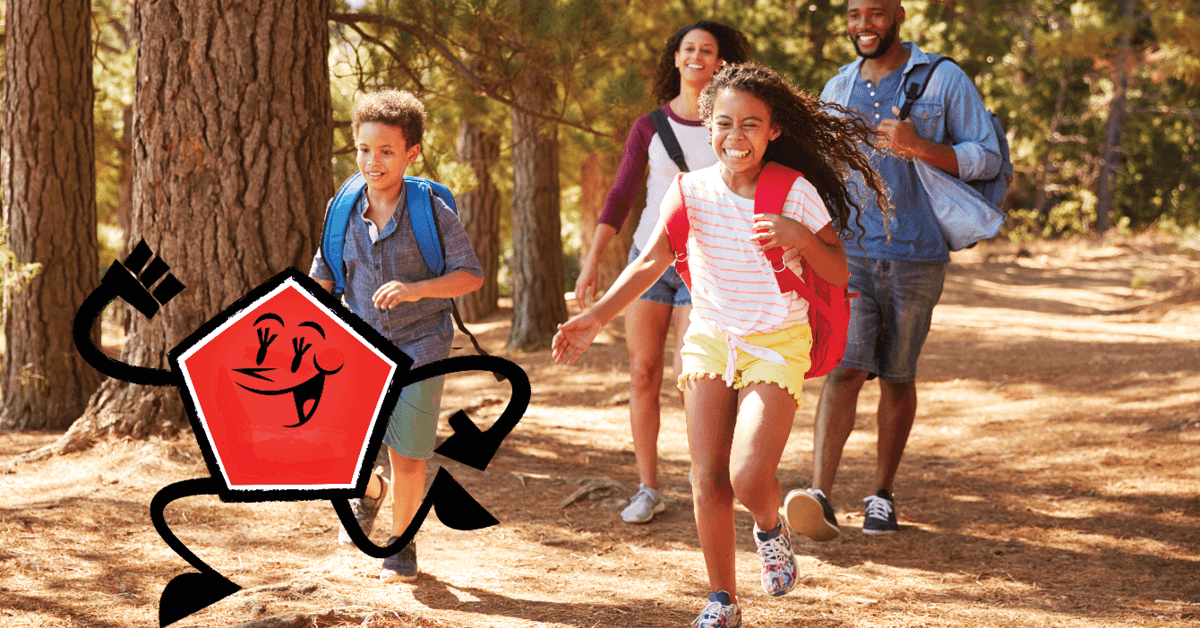
Summer in Park City means sunshine, mountain trails, bike rides, outdoor concerts, and plenty of adventures for local families. But hidden inside all that fun is something kids use every day without even realizing it: math!
At Mathnasium of Park City, we love helping students discover that math isn’t just something that happens in a classroom... it’s everywhere. From hiking trails to mountain biking and even planning the perfect summer outing, math helps us understand and enjoy the world around us.
Here are just a few ways math shows up during your family’s favorite Park City summer activities:
Hiking: Elevation Gain & Trail Distance
Before heading out on a hike, many families check the trail length and elevation gain. But what do those numbers actually mean?
If a trail is 4 miles long with 1,200 feet of elevation gain, kids can estimate:
How long the hike might take
How steep certain sections are
How much water or snacks to bring
How much energy they’ll need along the way
Trail maps also introduce concepts like scale, distance, and estimation, all important math skills in real life.
Next time your family hikes Bloods Lake, Armstrong Trail, or Silver Lake, challenge your child to estimate how much farther you have to go based on the map!
Mountain Biking: Speed, Time & Distance
Park City is famous for mountain biking, and biking is packed with math concepts.
Kids naturally work with:
Speed
Distance
Time
Ratios
Comparing routes
For example:
“If we bike 6 miles in 45 minutes, what was our average speed?”
Or:
“If we stop for water halfway through, how much time should we add to our ride?”
Even deciding which trail is “easier” often involves comparing elevation changes and trail grades.
Weather Tracking & Summer Forecasts
Summer weather in the mountains can change quickly, and families often check forecasts before heading outside.
Kids can practice:
Reading temperatures
Comparing highs and lows
Tracking rainfall percentages
Looking for patterns in weather trends
Questions like:
“Will it be warmer tomorrow?”
“How much cooler is it at higher elevations?”
“What are the chances of afternoon thunderstorms?”
…all involve mathematical thinking and data interpretation.
Road Trips & Summer Planning
Planning a summer adventure is one giant math problem in disguise.
Families use math when they:
Budget vacation spending
Estimate gas mileage
Calculate driving time
Compare ticket prices
Plan schedules
Even younger students can help calculate snack costs or estimate how long it will take to arrive at a destination.
Why Real-World Math Matters
One of the biggest questions students ask is:
“When will I ever use this?”
The truth is, they already do.
When kids connect math to activities they enjoy, it helps build confidence and makes learning feel more meaningful. Real-world math experiences help students develop problem-solving skills, logical thinking, and independence.
At Mathnasium of Park City, we work to help students understand math in a way that makes sense to them: building skills, confidence, and even excitement about learning.
This summer, whether your family is hiking trails, biking mountains, or exploring everything Park City has to offer, take a moment to point out the math hidden in the adventure. You might be surprised how much your child already knows!
Interested in helping your child build confidence in math this summer? Contact Mathnasium of Park City to learn about our summer programs and free math assessments!

