





An individual object. An entity thought to have its own existence. A thought, a notion, or an utterance.
In everyday language, we use the word “thing” when we don’t have a more specific word. In math, we sometimes say “thing” when we’re talking about a number, shape, object, or idea—something we can work with, count, measure, or describe.
For example:
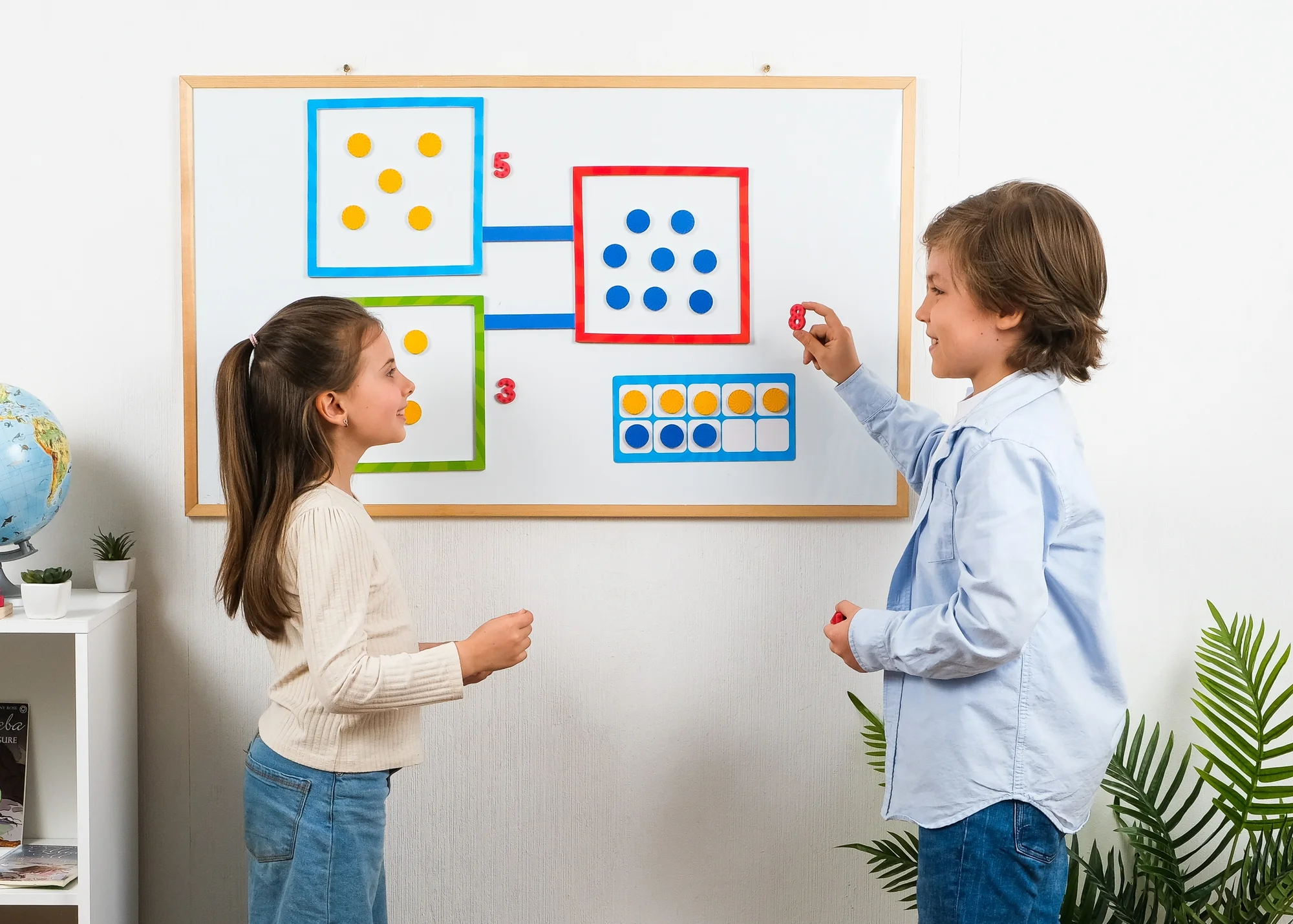
- In early grades, we might count “things” like blocks, apples, or coins.
- In algebra, we might say, “Let’s solve for this unknown thing,” referring to a variable like x.
- In geometry, shapes like circles, triangles, or cubes are all considered “things” we study.
As students progress in math, the word “thing” gets replaced with more precise terms, like factor, object, unit, or value. But in early learning, “thing” helps keep ideas simple and relatable.
When Do Students Learn About “Things” in Math?
Young learners start by recognizing and counting objects—things—before learning their specific names and properties.
Early Childhood – Recognizing and Counting Things
Students use the word “thing” when exploring math with real-world objects.
Grades K–2 – Naming and Grouping Things
Students begin replacing “thing” with specific terms like shapes, numbers, and units.