
 (310) 730-6432











4 Smart Strategies to Help Students Prepare for State Tests
Mar 12, 2026 | Culver City
Find out how to help your child prepare for state tests.

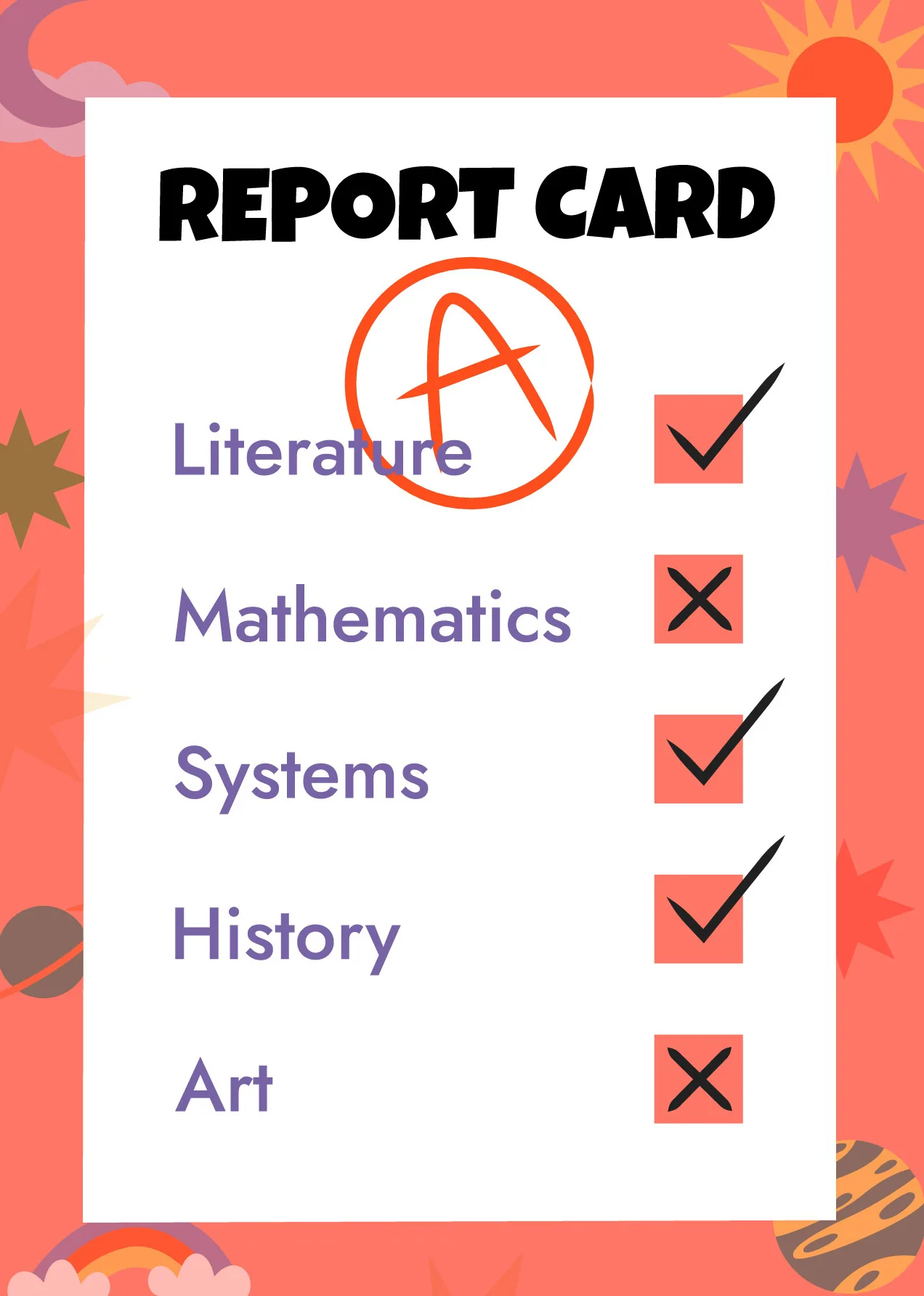
Report cards are coming. You glance at the grades—maybe you feel relieved, maybe concerned—but then comes the real question: What do these numbers actually tell you about your child’s learning?
The truth is, a report card only tells part of the story.
Grades reflect performance over a short period of time—tests taken, assignments completed. But they don’t reveal how deeply your child understands the material, where their confidence stands, or which skills might become challenges down the road. And they definitely don’t tell you what steps to take next.
Think of a grade as a snapshot, not the full picture. Learning is ongoing, and a single mark can’t capture everything.
A student might earn a B in math by memorizing steps just long enough to pass a test—but struggle to apply those same concepts later. On the other hand, a lower grade doesn’t always mean a lack of understanding. It could point to test anxiety, rushing through work, or simple mistakes.
Even straight A’s deserve a closer look. If your child finds math too easy, they may not be challenged enough to grow. Whether a student is struggling or coasting, both situations can lead to disengagement over time.
Grades don’t measure curiosity, persistence, or confidence—but those are often the most important indicators of long-term success.
Instead of focusing only on the grade, ask:
Report cards often include comments that can feel vague or unclear. But with a closer look, they can offer valuable insight.
Here’s what some common phrases might really mean:
After reviewing the report card, talk with your child. Keep the tone open and supportive—this isn’t about judgment, it’s about understanding.
Try asking:
Their answers will often reveal more than the report card itself.
Understanding the report card is just the first step. What matters most is what you do next.
1. Reflect
Talk through the experience together. Focus on what your child felt proud of and what challenged them.
2. Set Goals
Choose one or two specific, realistic goals focused on skills—not just grades. For example:
For advanced students:
3. Check Progress
Growth takes time. Build in small, consistent check-ins to track improvement and adjust as needed.
A report card is feedback—not a definition of your child’s ability.
If your child receives a lower grade, it simply means certain skills aren’t mastered yet. With the right support and practice, those skills can improve.
Use language that encourages growth:
When kids believe they can improve, they’re far more likely to keep trying.
Sometimes, additional help can make a big difference.
Your child may benefit from extra support if:
They may need enrichment if:
In these cases, outside support can help fill gaps, build confidence, or provide the challenge they need.
A report card shouldn’t end the conversation—it should start one.
Take the time to look beyond the grades, ask thoughtful questions, and create a plan. Most importantly, remind your child that learning is a journey, not a single result on a page.
With the right approach, a report card can become one of the most useful tools for understanding—and supporting—your child’s growth.
Mathnasium of Culver City is a math-only learning center for K-12 students in Culver City, CA. Trusted by over a million parents, Mathnasium uses personalized learning plans and the proprietary Mathnasium Method™ to help students catch up, keep up, and get ahead on their math journey.
Our specially trained tutors deliver face-to-face instruction in a supportive and fun small-group environment, working with students to develop a deep understanding of math, build confidence, and improve academic performance.
Schedule Free Assessment
