Angles are the building blocks of shapes, telling us how lines meet and how objects fit together. Let’s break down the four basic types of angles and see how they appear in real life.

A Quick Reminder: What Is an Angle?
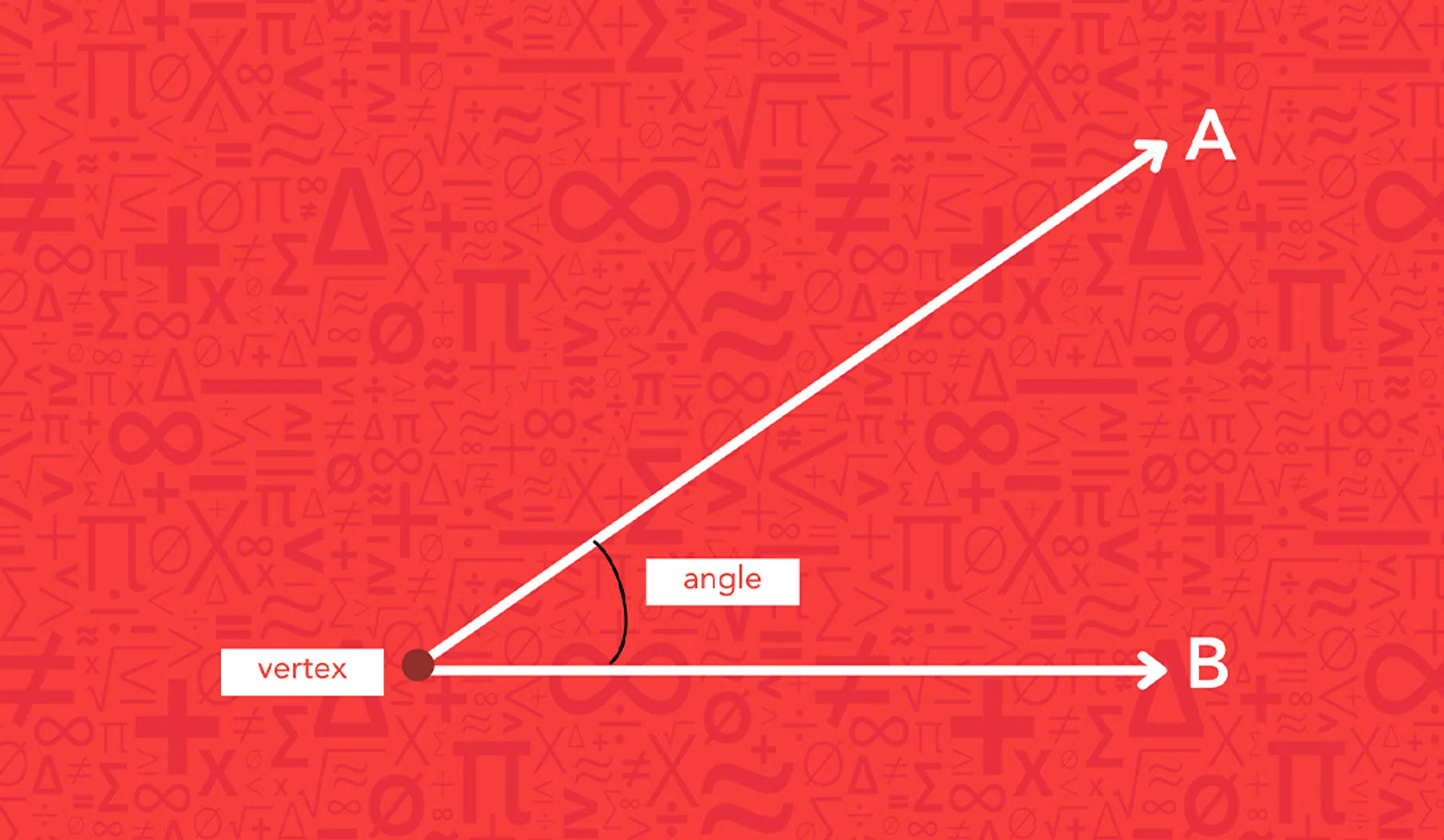
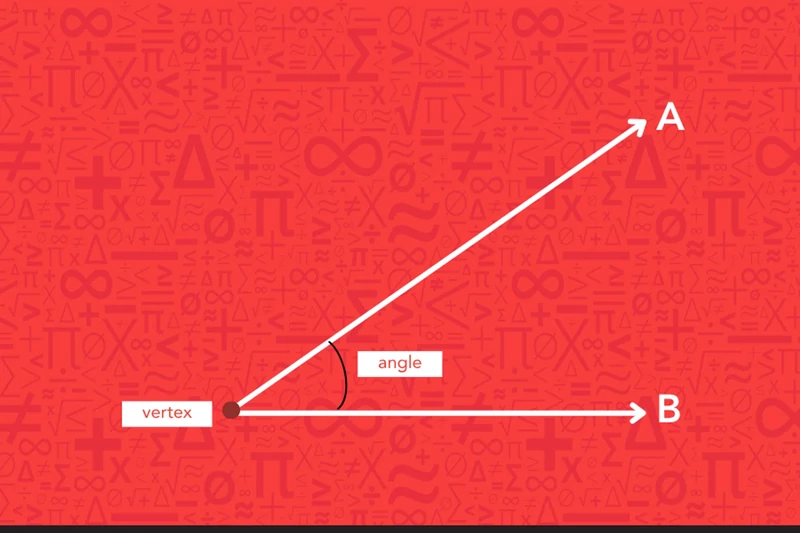
At its simplest, an angle is the figure made when two straight lines, called rays, meet at a single point, called the vertex.
Think of it as two rays shooting out from the same spot (pew-pew!), creating a space between them. That space is the angle.
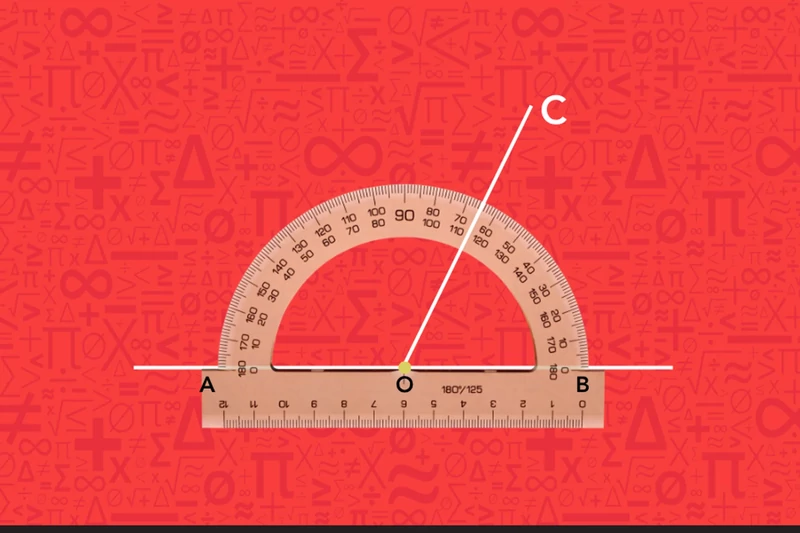
In math, we measure angles in degrees (°), which tells us how “wide” this space is. A special tool called a protractor helps us measure angles, kind of like a ruler measures length.
Here’s what we need to remember:
• The rays are the sides of the angle.
• The vertex is the corner point where the rays meet.
• The degree measure tells us how open the angle is.
Once we know those three parts, spotting and naming angles becomes much easier, whether we’re measuring a corner of our notebook, the swing of a door, or the hands of a clock.
Types of Angles in Geometry
When we talk about angles in math, we usually group them into four main categories. Each type has its own “look” and plenty of real-world examples that make them easier to recognize.
1. Acute Angle
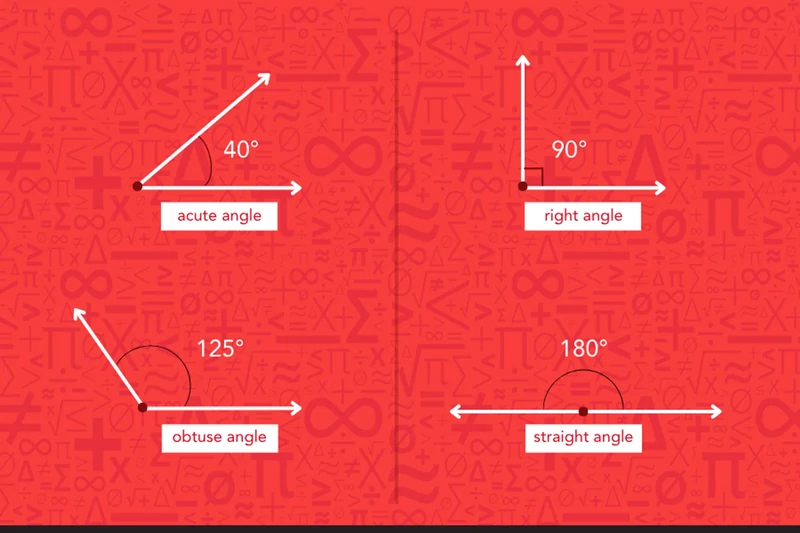
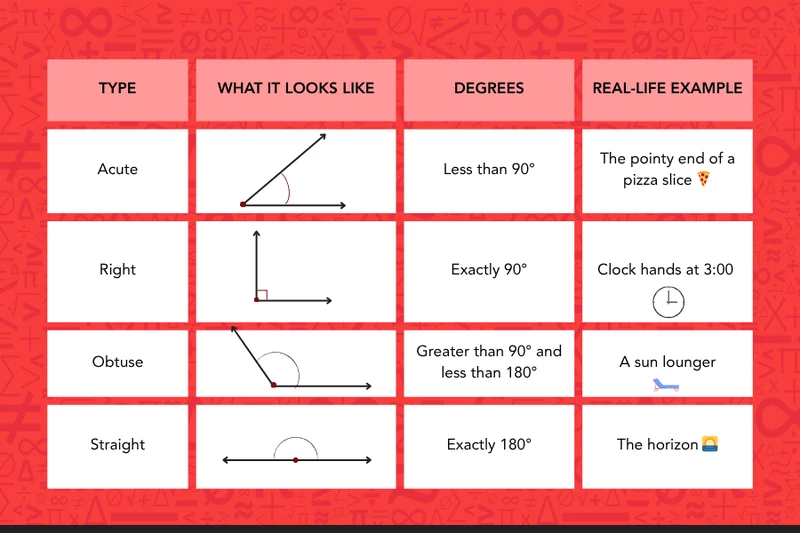
An acute angle is any angle smaller than 90°. We can think of it as sharp or narrow, almost like it’s been pinched together.
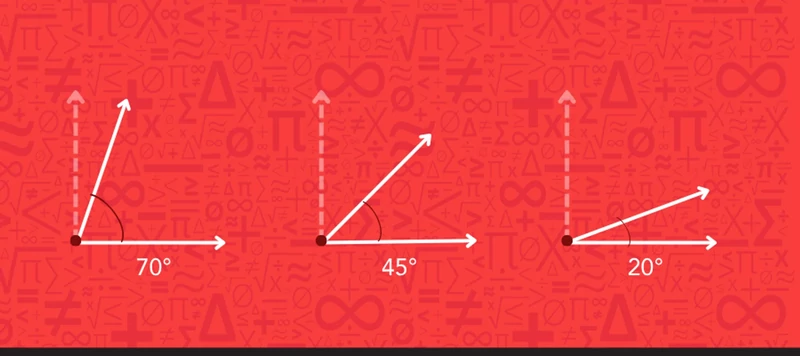
If we look at a slice of pizza, the pointy end is an acute angle.

2. Right Angle
A right angle measures exactly 90°, and it’s the one we’ll probably recognize most easily. In diagrams, it’s marked with a tiny square in the corner to show it is exactly 90°.
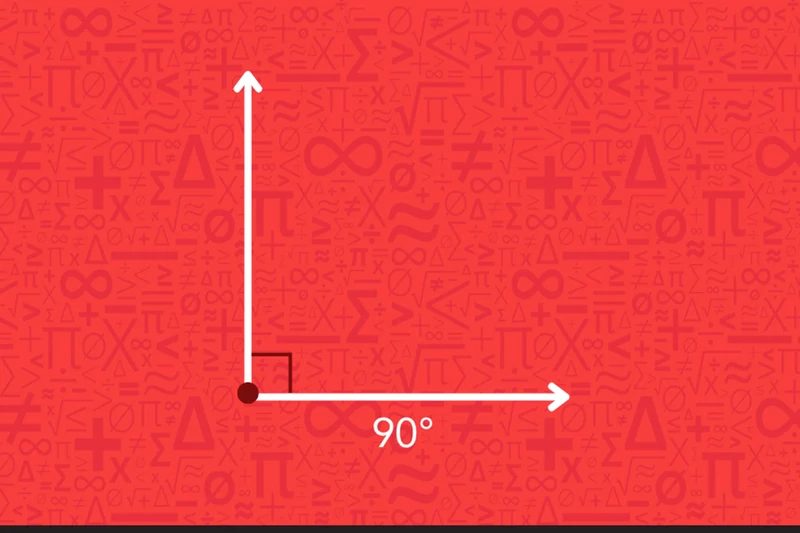
The sides of a rectangle or square meet at a right angle.
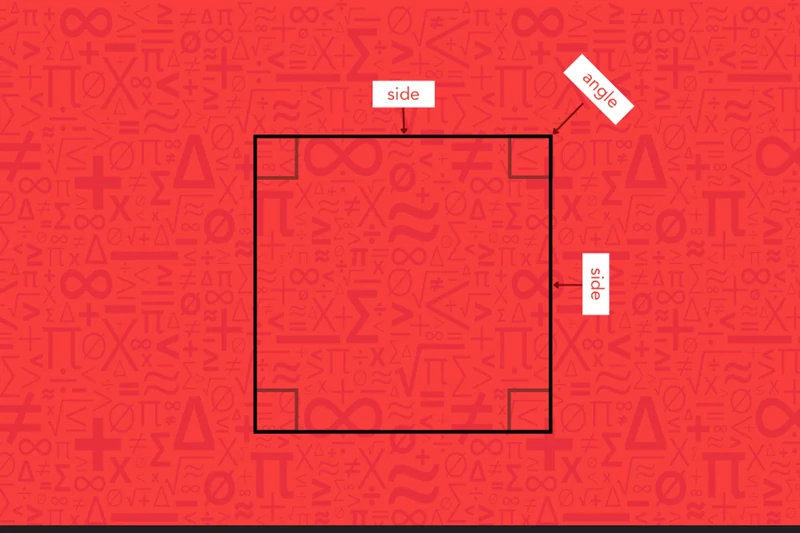
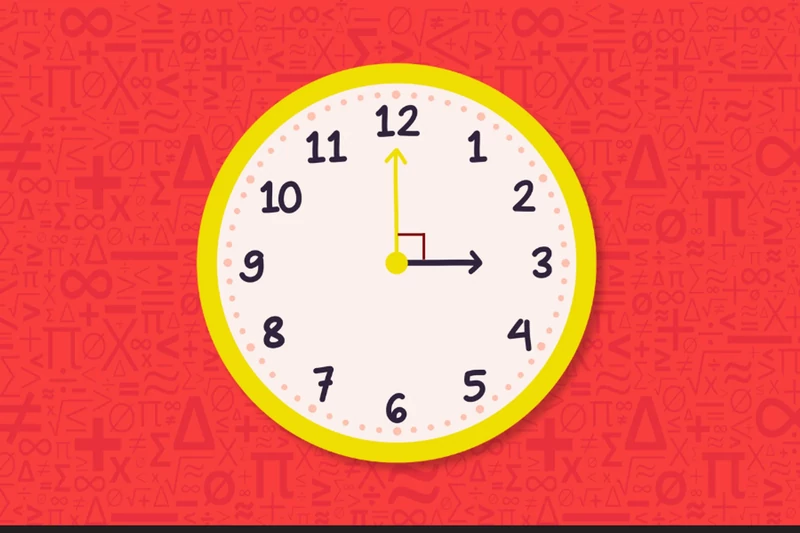
Right angles are everywhere around us. You will see them at the edges of a book or at the corners of a picture frame. When the time is 3:00, the clock hands will show a right angle.
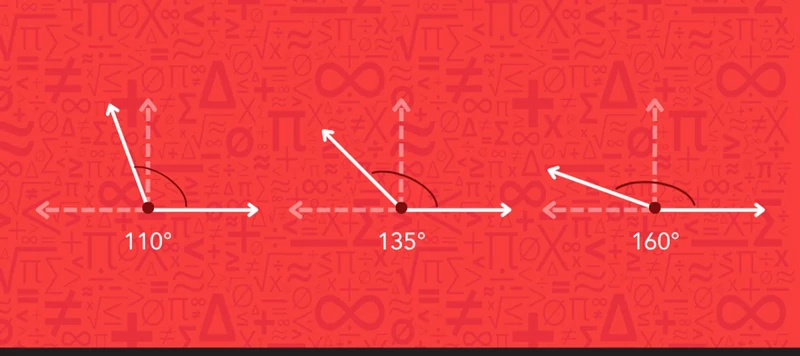
3. Obtuse Angle
An obtuse angle is larger than 90° but smaller than 180°. Instead of looking sharp or square, it looks wide and open.
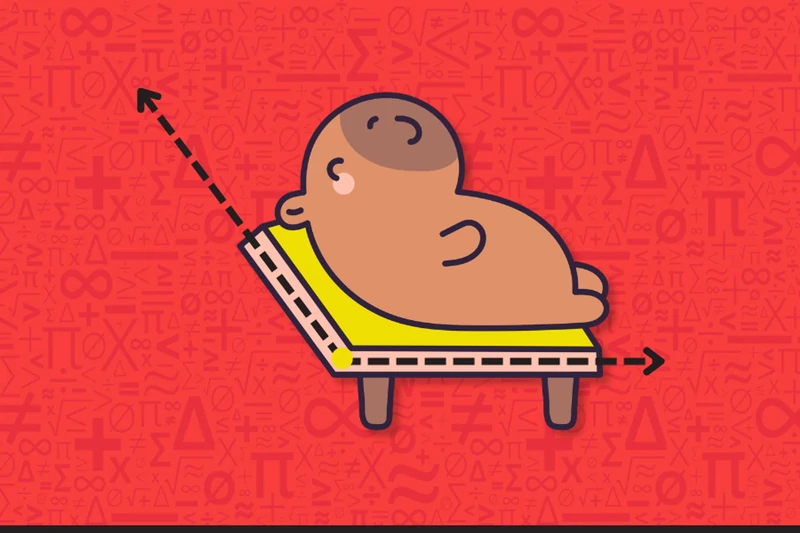
You might also notice obtuse angles in things like the angle of a lounge chair.
4. Straight Angle
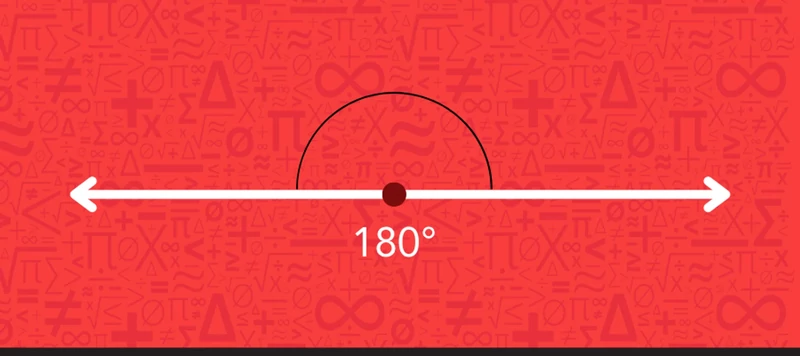
A straight angle measures exactly 180°, which means it forms a perfectly straight line.
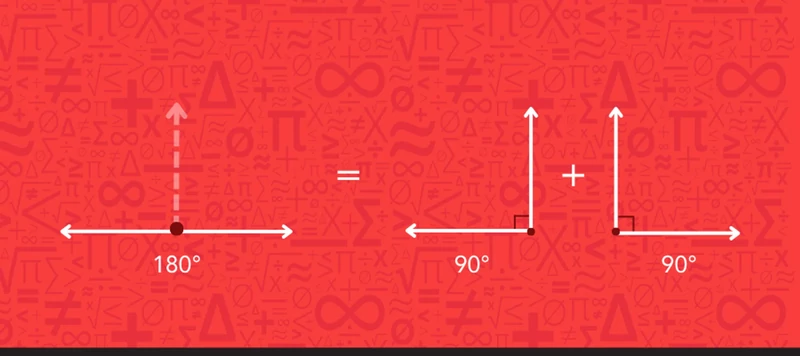
When you combine two right angles, you get a straight angle.
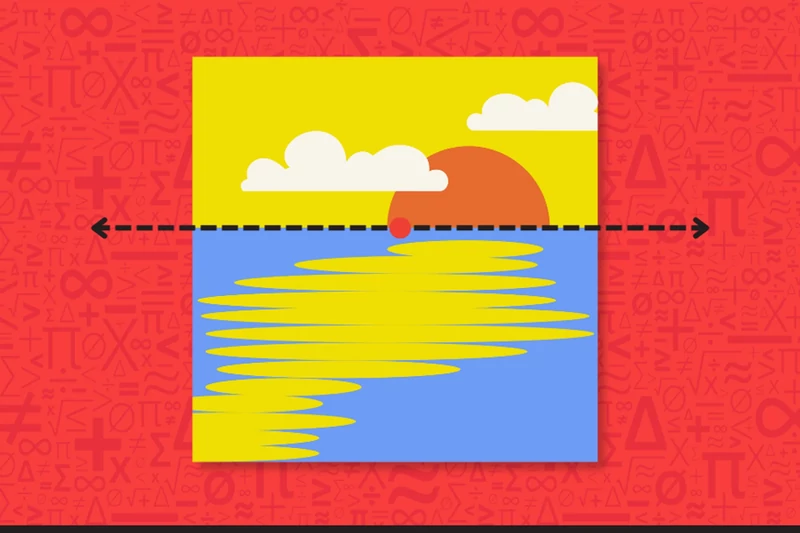
You can see a straight angle any time we look at the horizon, or lay a ruler flat on a desk.
How to Identify Different Types of Angles
As we’ve seen, the key difference between the four types of angles we identified is the amount of space between the rays, measured in degrees.
So how can we tell the angles apart?
We measure them!
To do this, we usually use a protractor, but there are also quick tricks that don’t require pulling one out of our backpack.
Start by looking at whether the angle is smaller, equal to, or bigger than a right angle (90°).
- If it’s smaller, it’s acute.
- If it lines up perfectly like the corner of a book, it’s a right angle.
- If it’s bigger but not yet completely flat, we’re looking at an obtuse angle.
- And if it stretches into a perfectly straight line, that’s a straight angle at 180°.
Many students like to think of 90° and 180° as “benchmarks.” You can compare any other angle against those markers to decide where it belongs. With practice, our eyes will start to recognize them even without measuring.
Straight, Right, Acute, and Obtuse Angles in the Real World
Angles aren’t just something we see in math class; they’re everywhere once we start noticing them. The corner of a book or the edge of a door frame is a perfect right angle, square, and steady. Roofs often meet at acute angles, forming sharp peaks that point upward.
When a baseball player swings, the arc of the ball forms an acute angle with the ground behind the player.
The blades of a windmill often form obtuse angles as they rotate and spread wide.
Even the horizon gives us an example. When the sky meets the sea or land in one clean line, we’re looking at a straight angle in nature. Artists and designers rely on these same ideas, arranging patterns and tiles with careful attention to how angles guide the eye.
Everyday tools remind us too: scissors open and close in acute and obtuse angles, while a seesaw rocks back and forth through straight ones.
Once we see angles in the real world, it’s hard to unsee them. They shape the way we build, play, create, down to the way we tell time on a clock face.
Quiz Time: Identify the Types of Angles
Now that we know the four main types of angles, let’s put our skills to the test. Imagine this as a little game, see how quickly we can decide whether an angle is acute, right, obtuse, or straight.
Beginner Round
1. An angle measures 40°. What type is it?
2. An angle measures 90°. What’s it called?
3. An angle measures 120°. Which category does it fit into?
4. An angle stretches all the way to 180°. What do we call that?
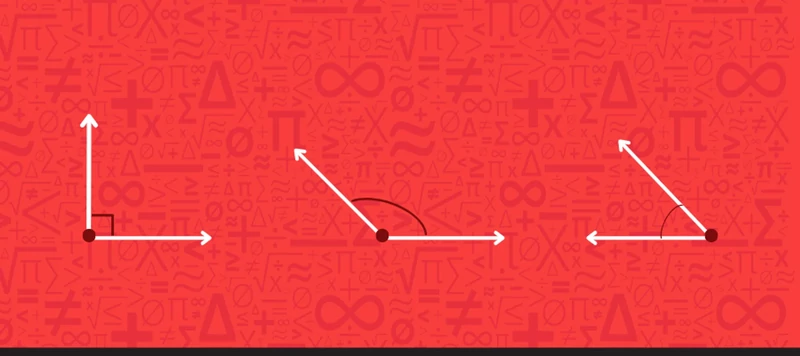
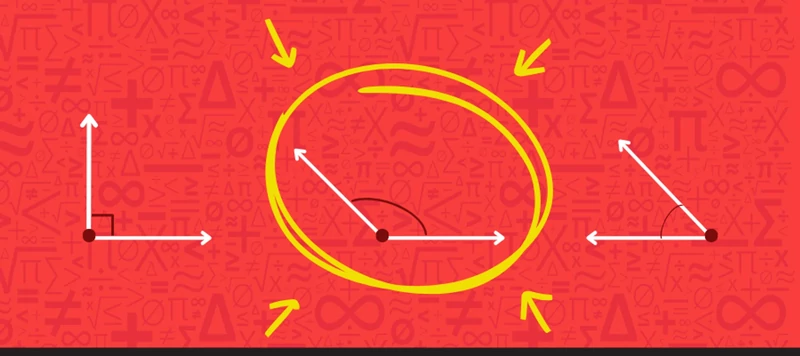
5. Circle an obtuse angle:
Challenge Round
Now let’s step outside the classroom and into the real world:
1. You open a book just slightly so the pages make a sharp “V.” Which angle do we see?
2. The clock shows 3:00. What kind of angle do the hands make?
3. A folding fan is open wide. What kind of angle do the outer edges form?
4. A seesaw is perfectly level with both sides balanced. What angle does that make?
When you’re finished with the quiz, check how you did at the bottom of the guide.
FAQs About the Types of Angles
Angles can seem simple at first, but the details raise lots of good questions. Let’s clear up a few common ones so you feel confident spotting and using angles in math and real life.
1. Can angles be larger than 180°?
Yes! These are called reflex angles, and they measure more than 180° but less than 360°.
You don’t see them as often in early geometry lessons, but they’re important later when studying shapes, circles, and rotations.
2. What tools are used to measure angles?
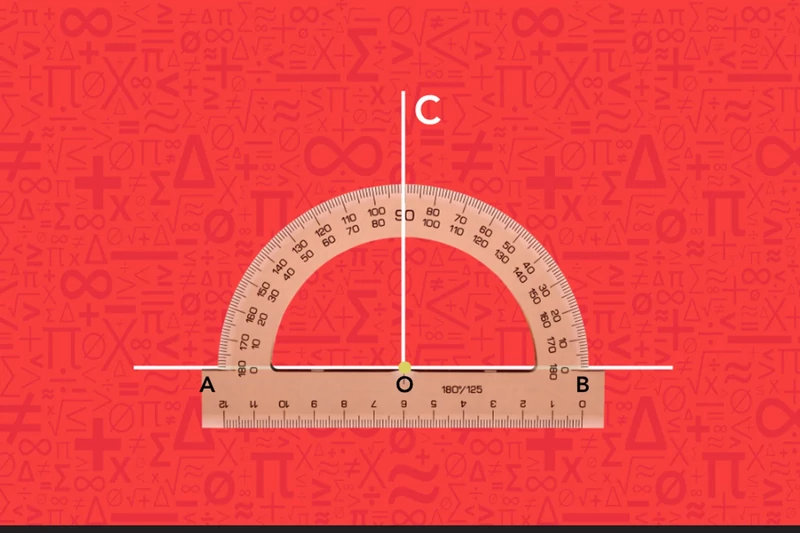
The most common tool is a protractor, which looks like a half-circle with degree markings from 0° to 180°.
3. Why do students need to learn about different types of angles?
Angles are one of the building blocks of geometry. Understanding them helps students solve problems about shapes, including triangles, polygons, and circles.
Beyond math class, angle knowledge shows up in architecture, engineering, sports, and even art.
For kids, learning to differentiate between angles helps train the brain to recognize patterns and think logically.
Master Angles with Mathnasium’s Top-Rated Math Tutors
Once your student learns how to identify and measure angles, a whole new part of math begins to make sense. At Mathnasium, we make sure those breakthroughs keep happening.
In our learning centers, students receive targeted, face-to-face instruction in a fun, supportive group environment. Our specially trained instructors use the Mathnasium Method™, a proprietary teaching approach that combines personalized learning plans with proven techniques to help students truly understand, and even enjoy, math.
Students begin their Mathnasium journey with a diagnostic assessment that pinpoints their current skill level, learning style, and goals. This allows us to meet them where they are and guide them toward where they need to be.
Following their personalized learning plan, students work on foundational skills while gradually building toward more complex topics in a logical, step-by-step progression. Our instructors teach in the way each student learns best, so concepts stick and confidence grows.
Over time, students develop the skills and self-assurance they need to excel in class and beyond.
And the results speak for themselves:
• 94% of parents report improvement in their child’s math skills and understanding
• 93% say their child has a more positive attitude toward math
• 90% of students see better grades at school
If you’re looking to see your excel in math and build a true understanding of concepts like ordered pais and beyond, schedule a free diagnostic assessment at your local Mathnasium center.

Pssst! Check Your Answers Here
If you’ve given our quiz a try, check your answers below.
Beginner Round Solutions
1. An angle measures 40°. What type is it? Acute angle — it's less than 90°.
2. An angle measures 90°. What’s it called? Right angle — it measures exactly 90°.
3. An angle measures 120°. Which category does it fit into? Obtuse angle — it's more than 90° but less than 180°.
4. An angle stretches all the way to 180°. What do we call that? Straight angle — it measures exactly 180°.
5. Circle an obtuse angle:
Challenge Round Solutions
1. You open a book just slightly so the pages make a sharp “V.” Which angle do we see? Acute angle — the pages meet at a narrow angle, less than 90°.
2. The clock shows 3:00. What kind of angle do the hands make? Right angle — the hands form a perfect 90° angle.
3. A folding fan is open wide. What kind of angle do the outer edges form? Obtuse angle — it's greater than 90° but less than 180°.
4. A seesaw is perfectly level with both sides balanced. What angle does that make? Straight angle — the seesaw forms a flat line, which is 180°.


 (425) 699-6284