
 (435) 272-4994











The Math Skills That Matter More Than Memorizing Formulas
Oct 1, 2026 | Park City
Why number sense, problem-solving, and flexible thinking are the real building blocks of math success.

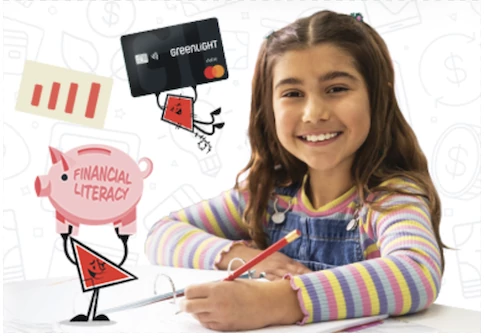
April is Financial Literacy Month—a perfect time to help kids develop the skills they need to make smart decisions with money. Just like reading and math, financial literacy is something that grows over time with practice, conversation, and real-world experience.
At Mathnasium of Park City, we believe that building confidence with numbers goes beyond the classroom. When students understand how math connects to everyday life—like budgeting, saving, and spending—it empowers them to make thoughtful choices and feel more in control of their future.
Why Financial Literacy Matters for Kids
Financial literacy isn’t just about dollars and cents—it’s about building lifelong habits. Kids who learn basic money skills early are more likely to:
Develop strong problem-solving and decision-making skills
Understand the value of saving and delayed gratification
Avoid common financial pitfalls later in life
Feel confident handling real-world responsibilities
The good news? You don’t need to be a financial expert to start teaching these skills at home.
Simple Ways Parents Can Teach Money Math
💰 1. Make Money Conversations Part of Everyday Life
Talk openly about money in age-appropriate ways. Whether you're at the grocery store or planning a family outing, involve your child in decisions:
“We have $50 for groceries—how should we spend it?”
“Which option is the better value?”
These small conversations build awareness and critical thinking.
🏦 2. Encourage Saving with a Goal
Help your child set a savings goal—like a toy, game, or experience. Break it down:
How much does it cost?
How long will it take to save?
This introduces budgeting and helps kids see the reward of patience.
🛍️ 3. Practice Smart Spending
Give your child opportunities to make spending choices. Whether it’s allowance or birthday money, let them decide how to use it—and learn from the outcomes.
You can also compare prices together and talk about needs vs. wants.
📊 4. Use Real-Life Math
Turn everyday situations into math practice:
Calculating discounts while shopping
Estimating totals and change
Tracking savings over time
This reinforces math skills in a meaningful way.
🎲 5. Learn Through Games and Activities
Board games, apps, and role-playing activities can make learning about money fun and engaging. Try setting up a “store” at home or playing games that involve earning and spending.
Building Confidence That Lasts
Financial literacy doesn’t happen overnight—but with consistent exposure and encouragement, kids can develop strong, confident habits that last a lifetime. The key is to keep it fun, practical, and connected to their everyday world.
Join Us for Our Financial Literacy Power Hour!
If you’re looking for a fun and engaging way to introduce your child to real-world money skills, we’ve got you covered!
Join us at Mathnasium of Park City for our Financial Literacy Power Hour on May 1st from 5:30–6:30 PM. Students in grades 2–6 will rotate through interactive stations focused on earning, saving, spending, and borrowing—plus complete a passport and earn prizes along the way!
Spots are limited, so be sure to grab yours here—we can’t wait to see your child grow their confidence with money! 💚

