
 (770) 273-9697










S. JEON
My son attends the Mathnasium and during his time there, his math skills have improved significantly. More imp...
See more reviews here

S. JEON
My son attends the Mathnasium and during his time there, his math skills have improved significantly. More imp...
See more reviews hereOur Results
94%
Math Skills
of parents report an improvement in their child’s math skills and understanding.
93%
Attitude
of parents report improved attitude toward math after attending Mathnasium.
90%
Success
of students saw an improvement in their school grades.
Our Results
The Proof Is In The Numbers
Math Skills
of parents report an improvement in their child’s math skills and understanding.
Attitude
of parents report improved attitude toward math after attending Mathnasium.
Success
of students saw an improvement in their school grades.
At Mathnasium of Suwanee, our tutors use the Mathnasium Method™ to help students develop a deep understanding of math. This proprietary teaching approach blends personalized learning plans with mental, verbal, visual, tactile, and written techniques, ensuring each student receives math help tailored to their unique needs and learning styles.
The Mathnasium Method™ is designed to build a strong foundation for math excellence, empowering students to truly understand and even enjoy math.
Our caring and specially trained math tutors in Suwanee deliver face-to-face instruction in a supportive, engaging group environment. We support PreK-12 students of all skill levels, both in-center and online, to help them reach their full math potential.
Learn how Mathnasium tutors helped Malachi gain confidence in math.
At Mathnasium of Suwanee, each student receives a personalized learning plan based on a detailed assessment of their skill level, challenges, and academic goals.
This tailored approach allows students to learn at their own pace while building critical thinking and problem-solving skills, along with the confidence they need to excel in their math journey.
Discover how Mathnasium helped Maddie transform her math skills to achieve more confidence in the subject. Initially struggling with the lowest math grades in her class, Maddie worked with our tutors using a personalized approach tailored to her specific needs.
Math Tutors Near You
We specialize in math-only instruction with a customized and fun learning approach that delivers results. We proudly serve local communities, including:
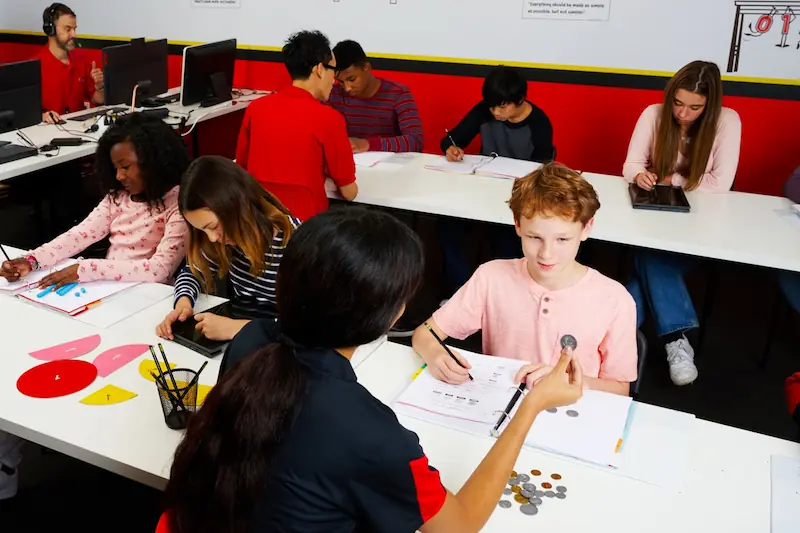
Specially Trained and Caring Team
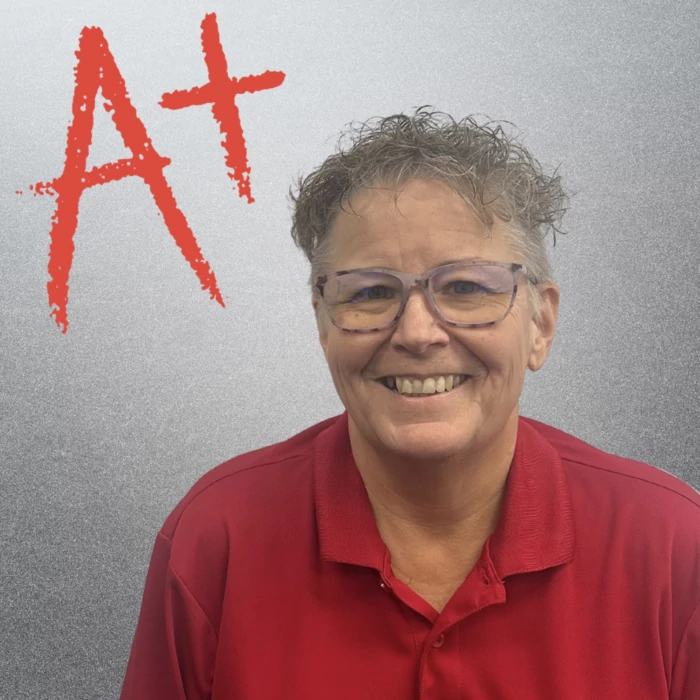
Jodi
Director of Education
Jodi holds a Bachelor’s degree in Biology and Math from Hope College, a Master’s degree in Math Education, and a Specialist’s degree in Curriculum and Teacher Leadership from Piedmont College. She’s also a certified gifted instructor with 20 years of teaching experience across grades 8–12.
Jodi has taught everything from middle school math to IB math studies and finds joy in helping students conquer challenging concepts. She believes every student can succeed with the right tools and support and loves watching their confidence grow with each breakthrough.
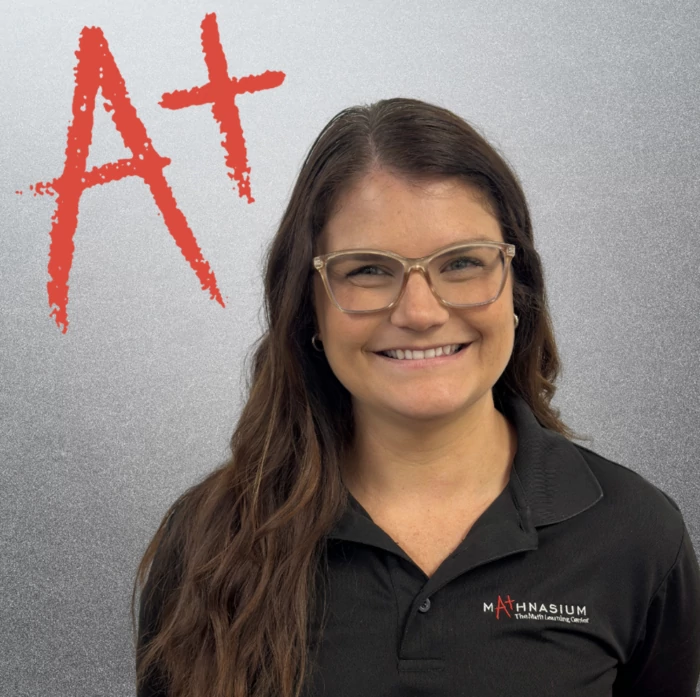
Lauren
Director of Training
Lauren graduated from the University of Central Florida with a degree in Interdisciplinary Studies, focusing on Math Education and Psychology. Her academic background includes College Algebra through Calculus III, Differential Equations, and Statistics. She began working at Mathnasium in 2011 and quickly became a dedicated leader.
Lauren believes math should be both challenging and fun—not frustrating or scary. She’s passionate about helping students succeed and is committed to supporting instructors through high-quality training. Her favorite part of the job is watching students grow in both skill and self-assurance.
Students can take 3 easy steps to enroll at Mathnasium.



All students begin their Mathnasium journey with a diagnostic assessment that pinpoints what they already know and what they still need to learn.
FAQ
Mathnasium of Suwanee is located at 991 Peachtree Industrial Blvd, Suite 108, Suwanee, GA 30024. You’ll find us at the corner of Peachtree Industrial and Moore Rd, by the FedEx and unWine’d Tap.
This central location is easy to reach for families in Suwanee, Duluth, and Sugar Hill, with convenient parking available.
We proudly serve students from:
Riverside Elementary School
Roberts Elementary School
Level Creek Elementary School
North Gwinnett Middle School
Burnette Elementary School
Yes! Mathnasium of Suwanee offers both in-center and online math tutoring.
Students receive live, face-to-face instruction from our caring tutors in a supportive, small-group environment, whether online or in person.
No, the quality of instruction and the student experience are the same in both formats.
All students benefit from personalized learning plans, real-time instruction, and confidence-building support designed to make math understandable and enjoyable.
Mathnasium of Suwanee supports students in grades PreK-12 across a wide range of math classes, from basic arithmetic through Algebra, Geometry, Trigonometry, Precalculus, and advanced high school math.
Our tutors help students strengthen foundational skills, close knowledge gaps, expand mathematical thinking, and gain confidence in math.
Mathnasium of Suwanee offers high-quality math tutoring with a straightforward monthly membership.
Each student begins with a diagnostic assessment, after which we create a personalized learning plan and recommend a session schedule tailored to their needs and goals.
To learn more, contact us at [email protected].
No. Pricing is the same for online, in-center, or hybrid learning. Families can choose the option that works best for their schedule without worrying about cost differences.
Our students begin the enrollment process with a diagnostic assessment that helps us understand how they think about math, identify strengths, and uncover gaps in knowledge.
We use these insights to design a personalized learning plan that builds confidence and ensures meaningful progress.
At Mathnasium of Suwanee, we do not use a one-size-fits-all curriculum.
We use the Mathnasium Method™, our proprietary teaching approach that combines personalized learning plans with proven, interactive instruction to make math make sense.
By building on what students already know and gradually introducing new concepts, we help them develop mastery, confidence, and even enjoyment of math.
Both! We work with students of all skill levels.
Students who are behind with math receive targeted support to rebuild foundations, close learning gaps, and restore confidence. Advanced learners benefit from enrichment programs that challenge them and expand their mathematical thinking.
Absolutely, we welcome homeschooled students from Suwanee, Duluth, Sugar Hill, and surrounding communities.
Families value our flexible scheduling and personalized instruction that align with homeschooling goals and learning paths.
Yes, our tutors set aside time during each session to help students with homework, reinforcing what they’ve learned and helping them feel ready for class.
No, all instruction takes place during our sessions. We do not assign homework, so students can focus on learning and making progress while they’re with us.
Yes, Mathnasium of Suwanee helps students prepare for standardized and school-based assessments, including state tests, the SAT®, and the ACT®.
Our test prep includes targeted practice, personalized strategies, and confidence-building support to help students succeed.

In honor of the new school year, we are offering $100 off the enrollment fee plus a free gift.
Contact Us
In honor of America's 250th birthday, we're celebrating with a special offer: enroll now for $76
Contact Us
Ready to begin? Schedule your free assessment and consultation today to see how we can make math ...
Contact UsKnowledge Hub

Aug 21, 2026

Aug 3, 2026

Aug 3, 2026

Jul 13, 2026

Jul 7, 2026

Jul 7, 2026

Jun 8, 2026

May 4, 2026
Apr 7, 2026

Mar 30, 2026
991 Peachtree Industrial Blvd, #108
Suwanee, GA 30024
| Call: | (770) 273-9697 |
| Email: | [email protected] |
Mon - Thur
3:30 PM - 8:00 PM
Sun
1:00PM - 5:00PM
Mon - Thu
3:30 PM - 8:00 PM
Sun
1:00PM - 5:00PM
| Mon - Thur: | 3:30 PM - 8:00 PM |
| Sun: | 1:00PM - 5:00PM |
| Mon - Thu: | 3:30 PM - 8:00 PM |
| Sun: | 1:00PM - 5:00PM |

