
 (425) 903-5050










Mathnasium of Mukilteo: Back-to-School Success Starts Here!!
Aug 15, 2026 | Mukilteo

Q1: How can students stay academically active during summer while still enjoying their break?
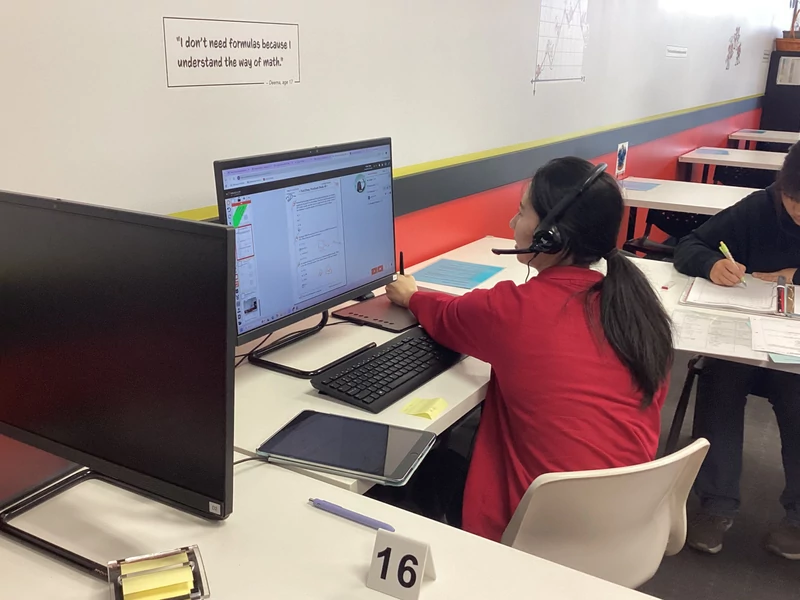
A1: Mathnasium is a great option for students who want to make the most of the summer while avoiding the summer slide. The average Mathnasium student takes 2 or 3 1-hour lessons per week, and no homework is assigned from us to work on at home. This ensures that students are still completing regular, distributed practice without preventing them from enjoying the warm weather outside for the rest of the week.
Q2: What are some ways math connects to sports like soccer or the Football World Cup?
A2: Math is everywhere, and sports are no exception. Whether one is watching or playing the sports, math is an important element that adds to the fulfillment of the engager. One playing football may calculate the different combinations of point totals leading to victory to determine the best play. A soccer player must understand geometry well so that the angle of their kicks sends the soccer ball in the right direction. Even one simply watching the game may calculate the fractional part of the game remaining to predict if their team will come out on top. Math creates the world around us, even in sports.
Q3: Why is summer a valuable time for students to strengthen skills before the next school year?
A3: Without practicing, the average student loses anywhere from 1-3 months of math knowledge during the summer months. Many teachers spend the first few weeks of school catching students up and making little new progress, but even then, many students continue to fall further behind. Practicing in limited doses a few times a week helps remedy this, keeping the students' minds sharp with math knowledge at the forefront of it.
Q4: How does your center help students stay confident, motivated, and prepared during the summer months?
A4: Repetition over time is the key to math success. When students practice regularly, they learn not to be scared of their math problems. Distributed practice throughout the summer means students won't be intimidated going back to school and can treat math like a normal part of their routine. When students are accustomed to math, they feel confident that they can understand the concepts and succeed. Students will return to school feeling confident and ready, rather than the anxiety and dread that often plague the start of a new school year.
Visit our website if you want to stay prepared this school year!

