
 (562) 242-7742
 (562) 242-7742











Refer a Friend!!
Oct 13, 2022 | Seal Beach


In our home state of California, geometry is typically offered as a dedicated high school course, but the vocabulary and concepts that underpin it have been building since first grade.
By the time students arrive in that high school classroom, California's Common Core standards expect them to already know a wide range of terms accumulated across eight years of math instruction.
Our tutors put together this grade-by-grade reference for parents, students, and homeschooling families who want to know exactly which geometry terms matter at each level, from the basic shapes of Grade 1 through the transformations and proofs of Grade 8.
First grade is where geometry begins. Our students learn to recognize and name the basic building blocks that will come back in every grade that follows.
1. Point: the most basic object in geometry. It marks an exact position in space but has no size, no length, no width, and no thickness.
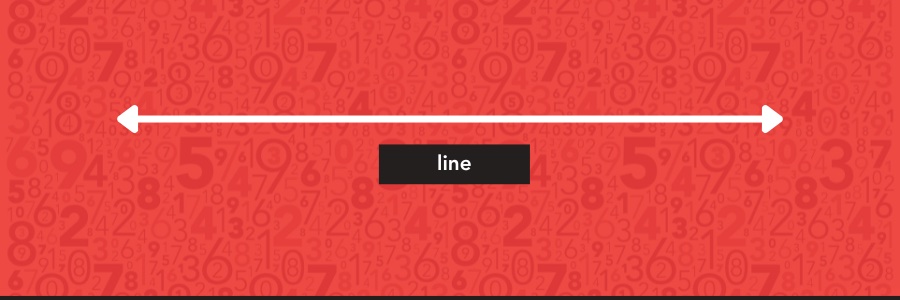
2. Line: a straight path made up of an endless number of points that extends forever in both directions, with no endpoints, curves, or thickness.
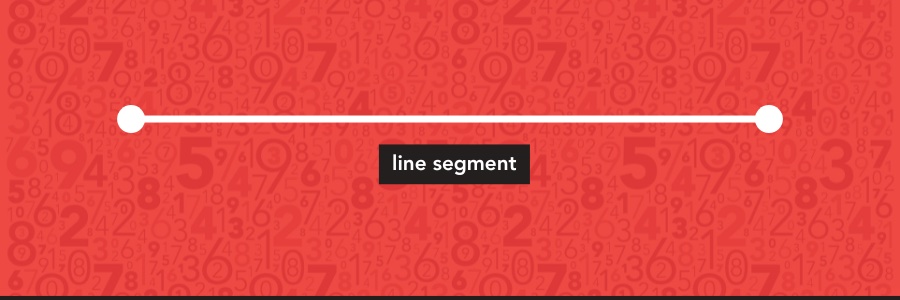
3. Line segment: a part of a line with two fixed endpoints. Unlike a line, which goes on forever in both directions, a line segment starts and ends at specific points.
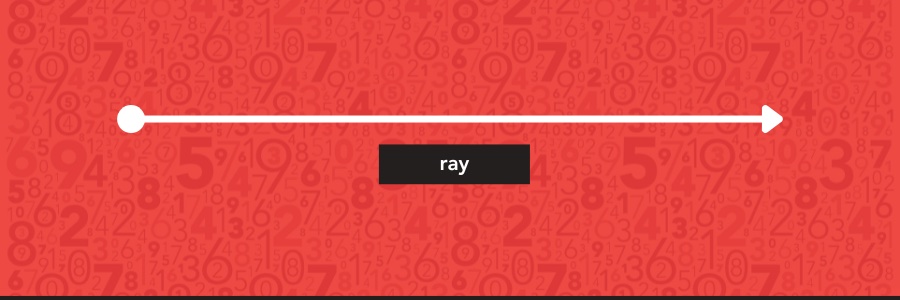
4. Ray: a part of a line that starts at one fixed point and goes on forever in one direction. It has a clear beginning but no end.
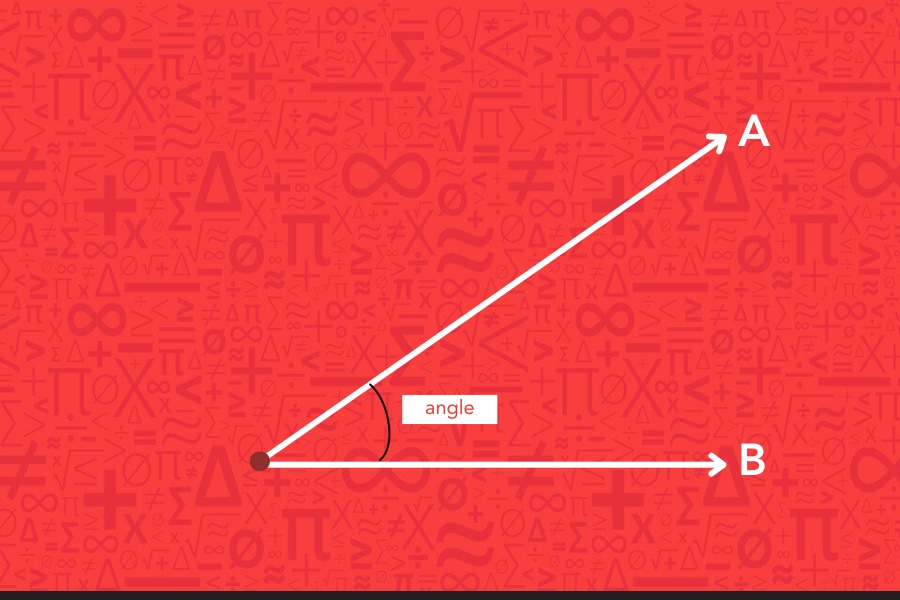
5. Angle: The shape formed when two rays share the same starting point and extend in different directions. That shared point is the vertex, and the two rays are the sides of the angle.
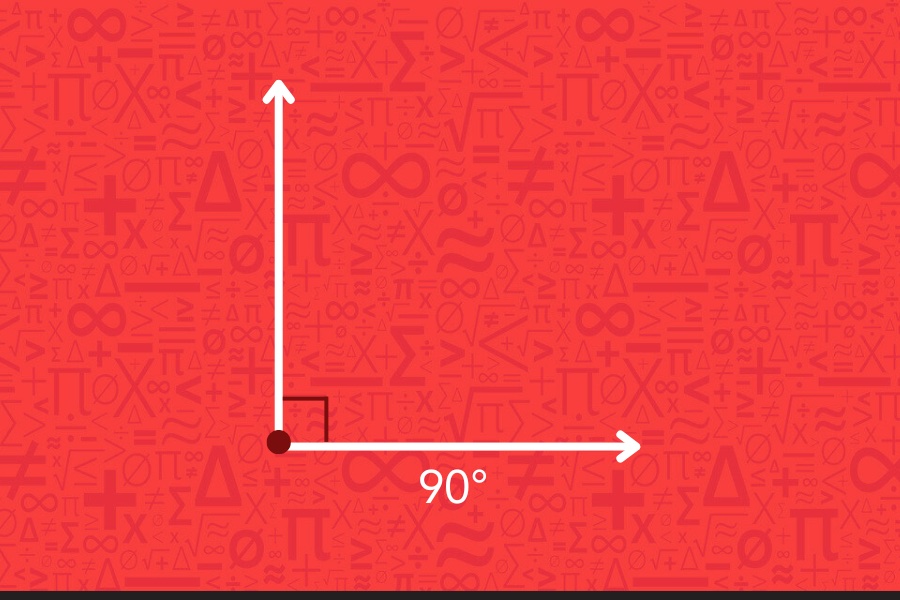
6. Right angle: An angle that measures exactly 90 degrees, like the corner of a square or rectangle. When two lines meet and form that perfect square corner, they have created a right angle.
7. Vertex: the point where two sides or rays meet to form an angle or corner.
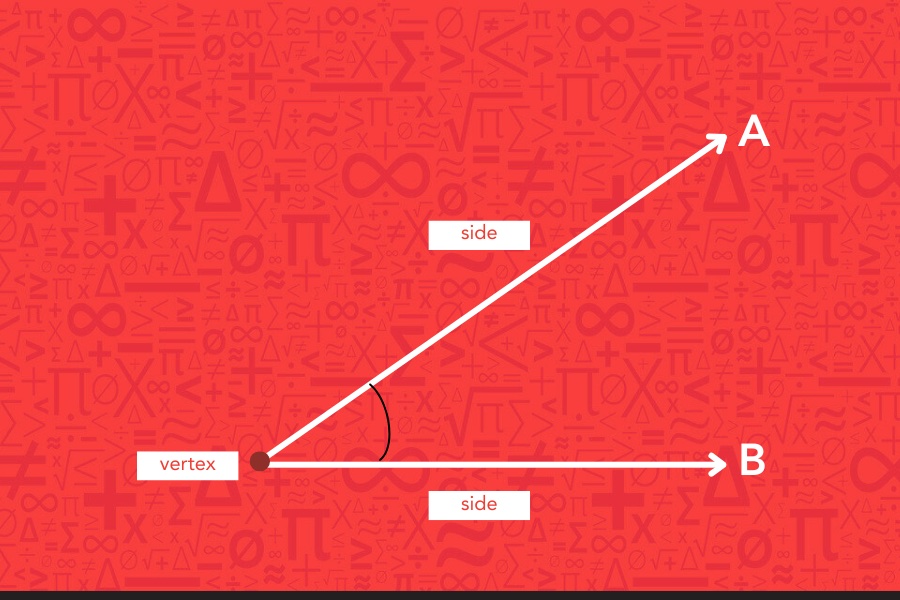
8. Side: one of the straight edges that form the boundary of a shape.
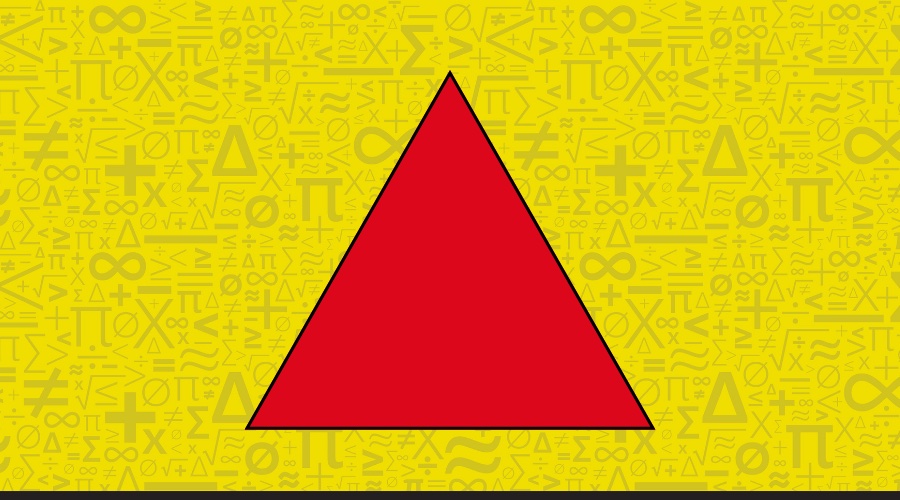
9. Triangle: a flat shape with exactly three sides and three angles.
10. Quadrilateral: any flat shape with exactly four sides.
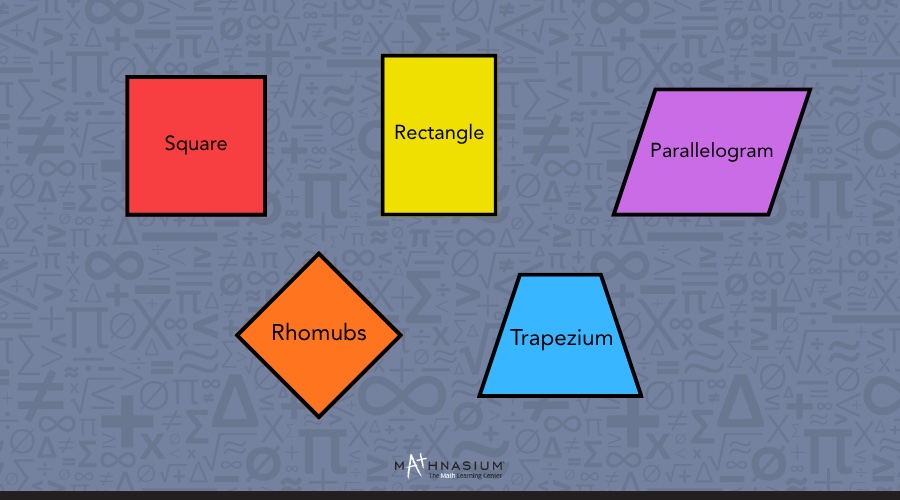
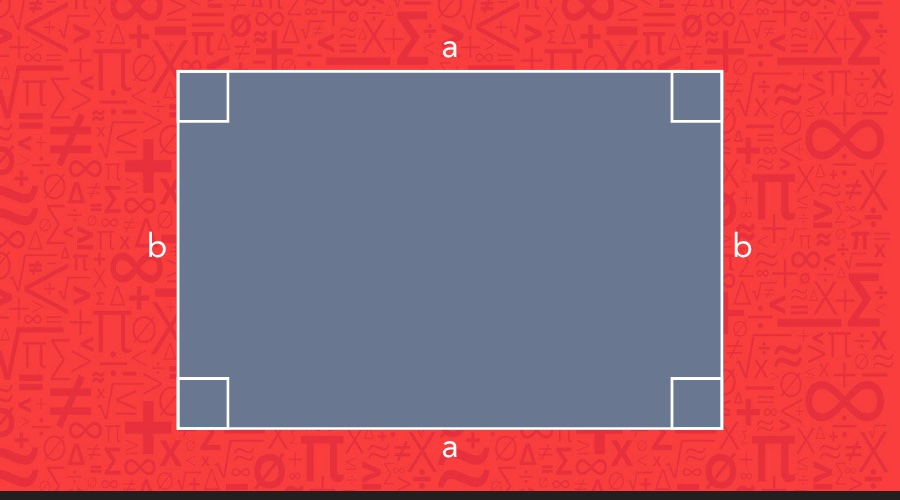
11. Rectangle: a flat shape with four sides, four right angles, and opposite sides that are equal in length and parallel to each other.
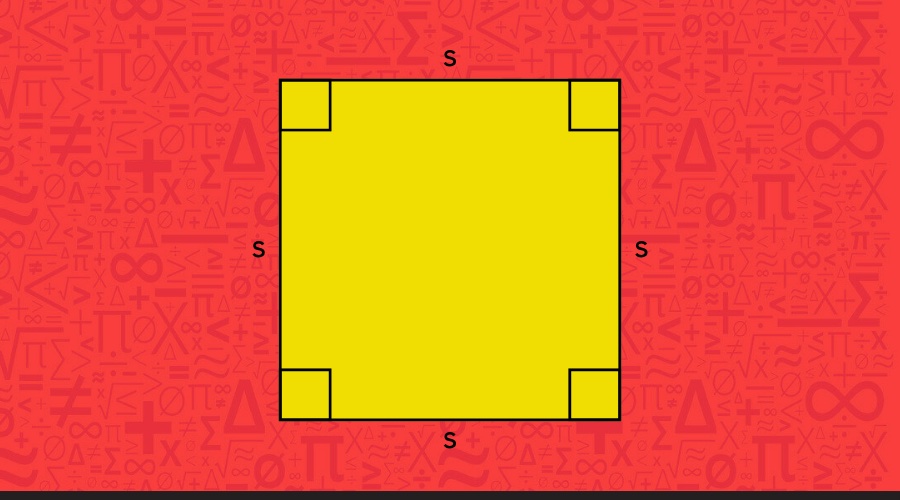
12. Square: a special rectangle where all four sides are the same length.
In 2nd grade, geometry gets a new dimension, literally. Students move from flat shapes into three-dimensional ones and learn to describe both with precision.
13. Polygon: a flat, closed shape made entirely of straight sides that connect at vertices. Polygons always have at least three sides, and the sides never cross or curve.
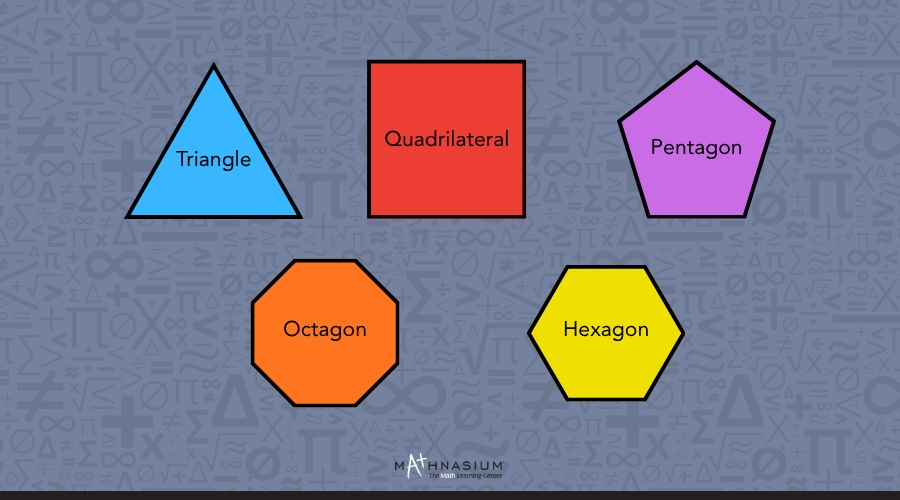
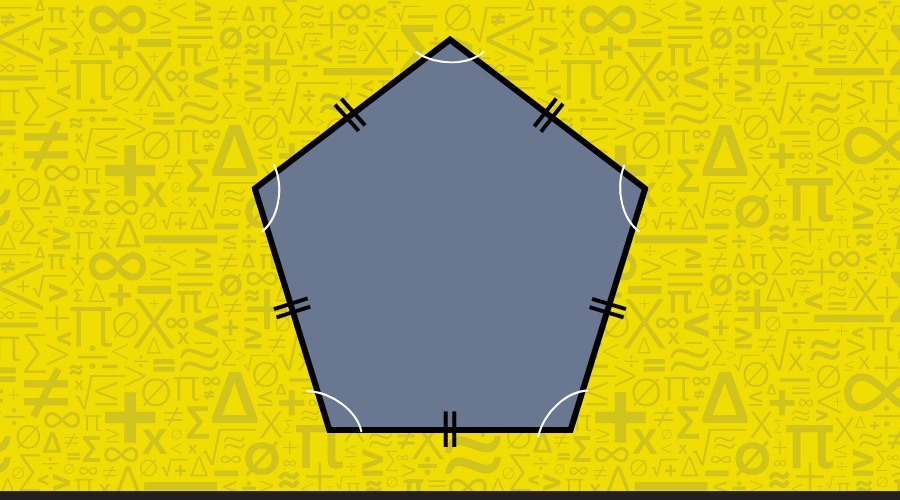
14. Pentagon: a polygon with exactly five straight sides that form a closed shape.
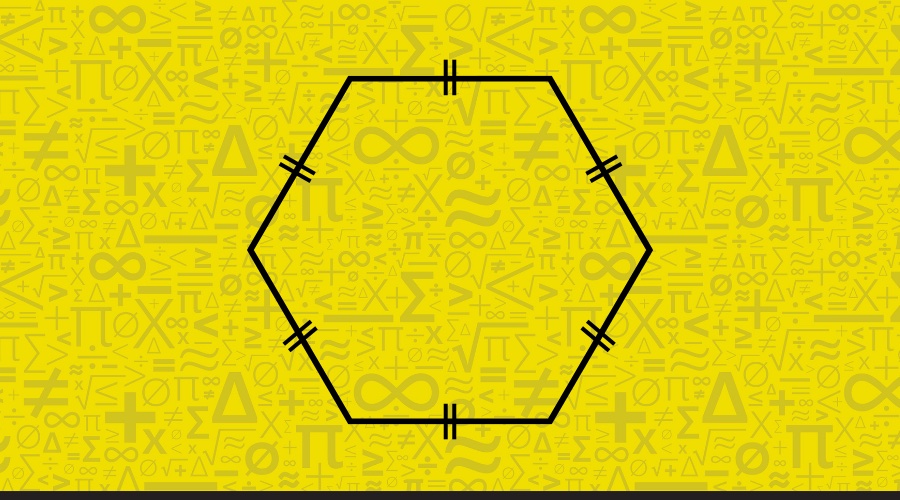
15. Hexagon: a flat, closed shape with six straight sides and six angles. The name comes from the Greek words for "six" and "angle," which is a handy way to remember it.
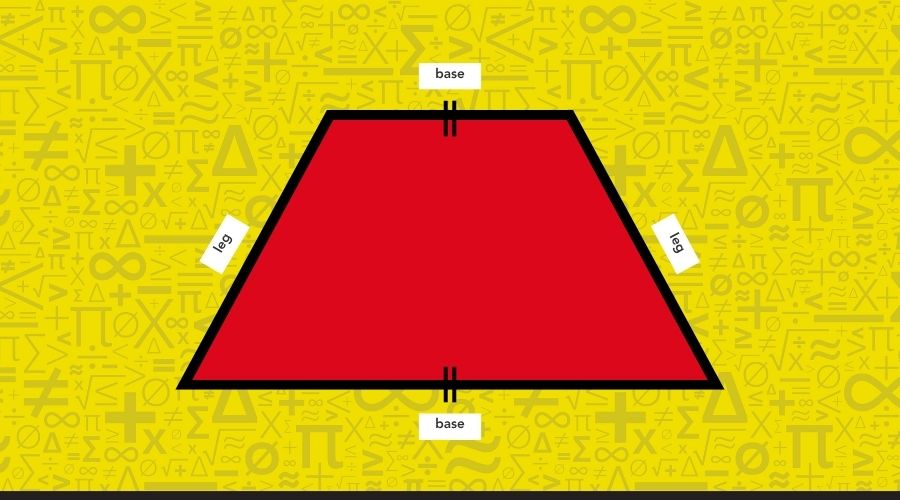
16. Trapezoid: a quadrilateral with exactly one pair of parallel sides. The two parallel sides are called the bases, and the other two sides are called the legs.
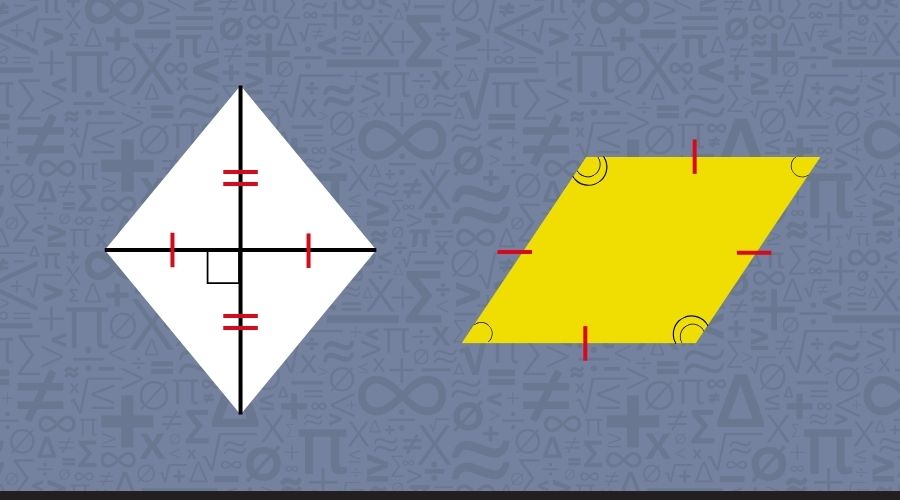
17. Rhombus: a quadrilateral where all four sides are the same length, like a tilted square or a diamond. Unlike a square, its angles are not all right angles.
18. Circle: a perfectly round shape where every point along its edge is exactly the same distance from the center.
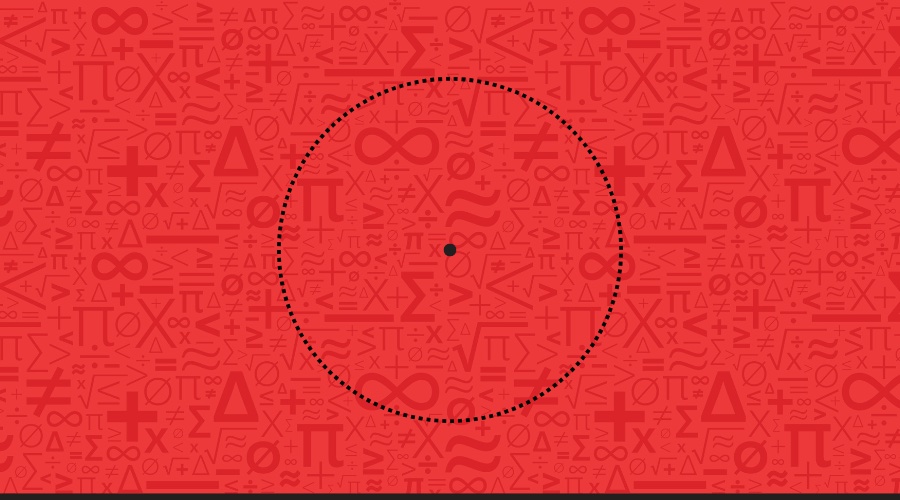
19. Face: The flat surface on the outside of a 3D shape.
20. Base: The flat bottom face of a 3D shape.
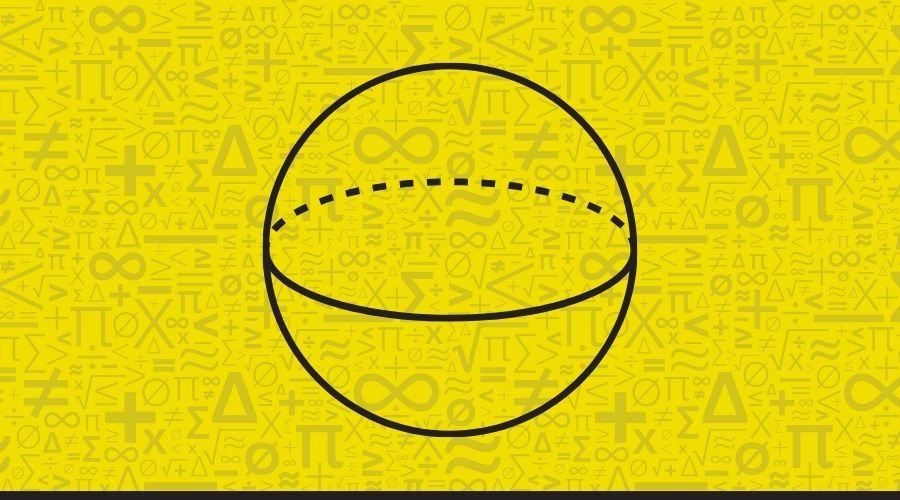
21. Sphere: a perfectly round 3D shape where every point on the surface is the same distance from the center.
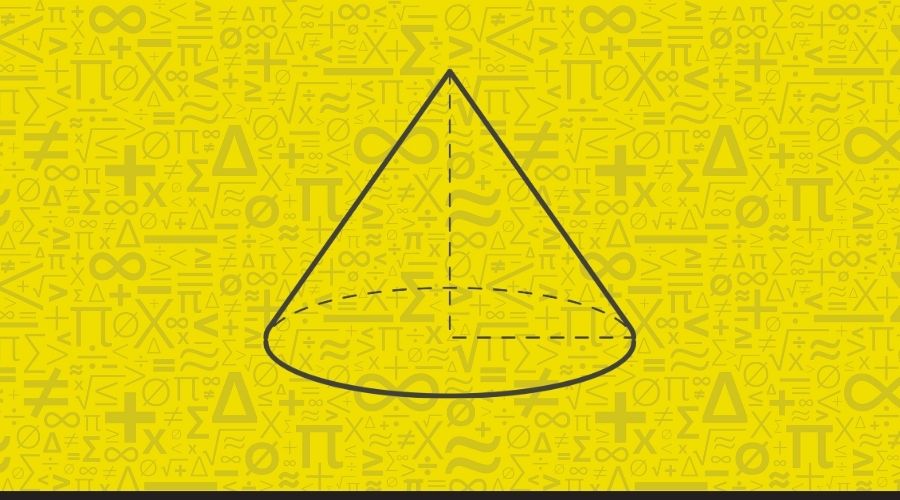
22. Cone: A 3D shape with a circular base that narrows to a single point at the top.
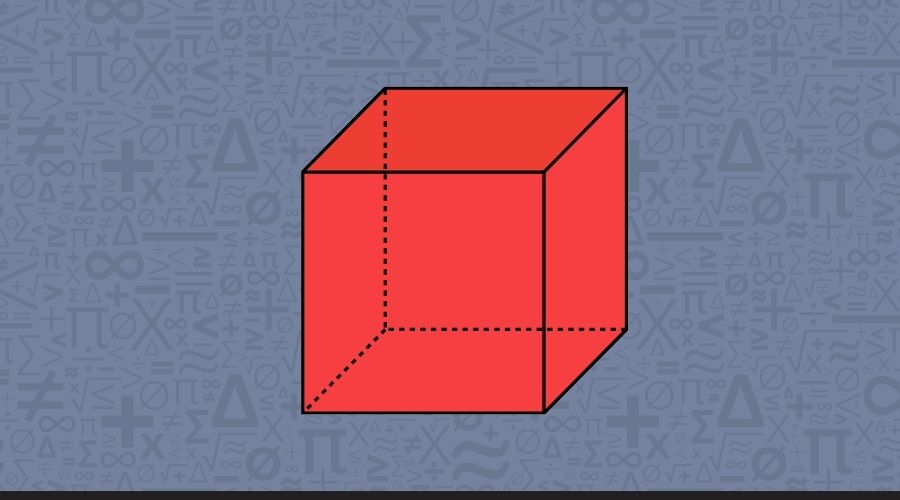
23. Cube: A 3D shape with:
six equal square faces
twelve equal edges
eight vertices.
Every edge is the same length, and every angle is a right angle, which makes it the most uniform of all 3D shapes.
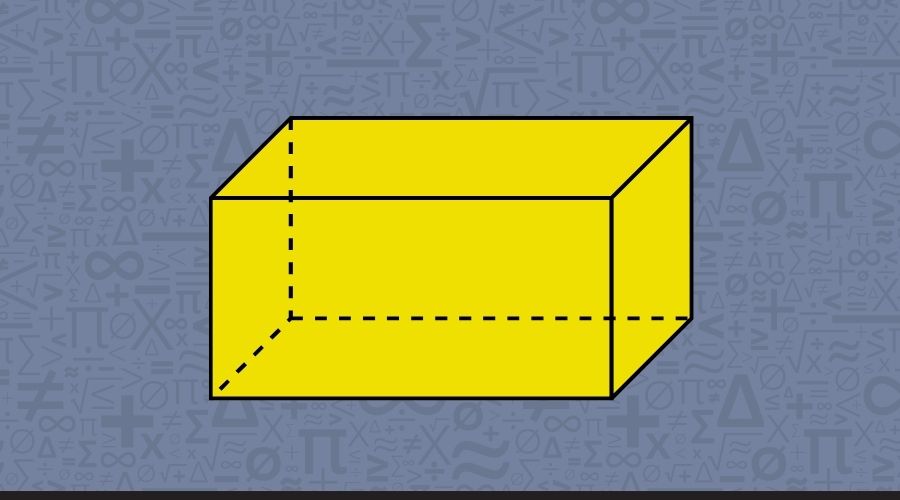
24. Rectangular prism: a 3D shape with six rectangular faces where every corner sits at a right angle and opposite faces are equal in size. Think of it as a box.
Grade 3 expands how students think about shapes and introduces two ideas that will show up constantly in the grades ahead: area and parallel lines.
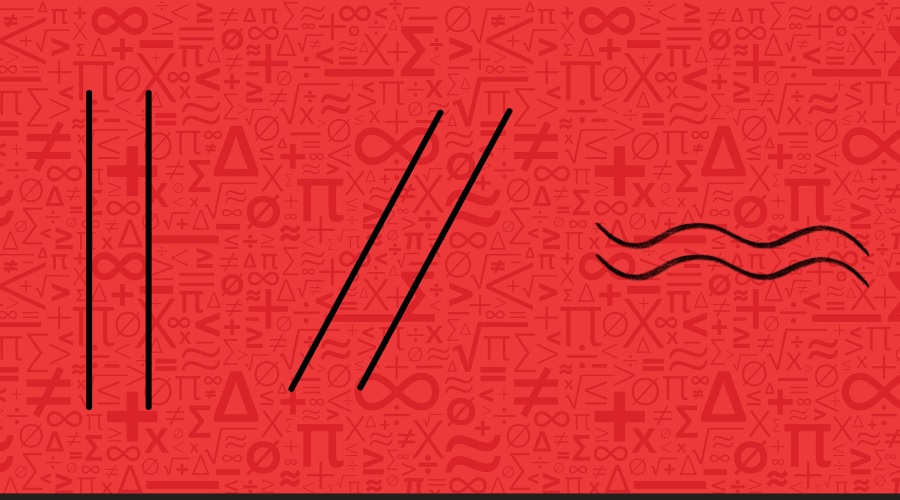
25. Parallel lines: lines that stay the same distance apart no matter how far they extend, running alongside each other without ever crossing or touching.
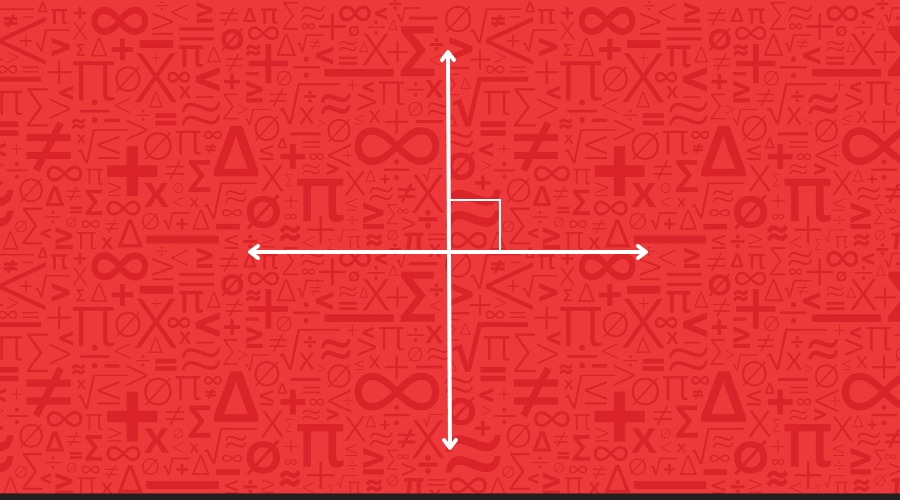
26. Perpendicular lines: lines that cross to form a right angle of exactly 90 degrees. That square corner is what makes them easy to spot.
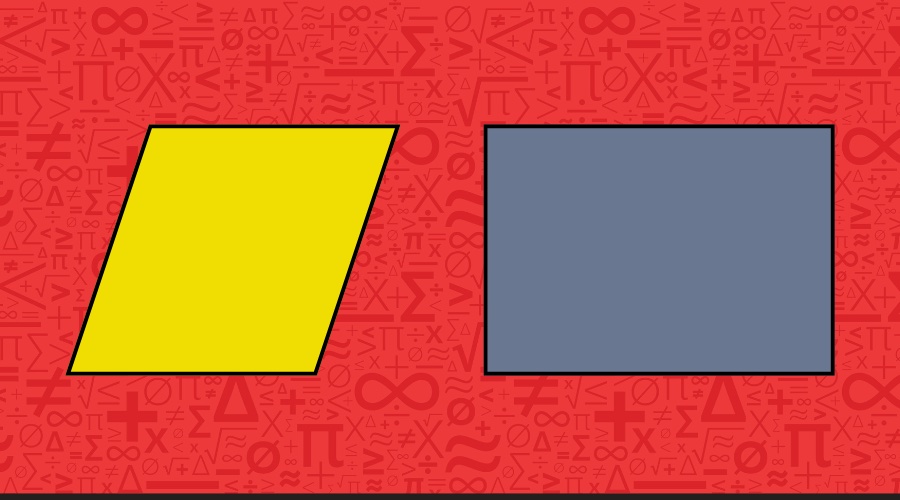
27. Parallelogram: a quadrilateral where both pairs of opposite sides are parallel and equal in length, with opposite angles equal too.
28. Area: the amount of space a flat shape covers, measured by how many square units fit inside it.
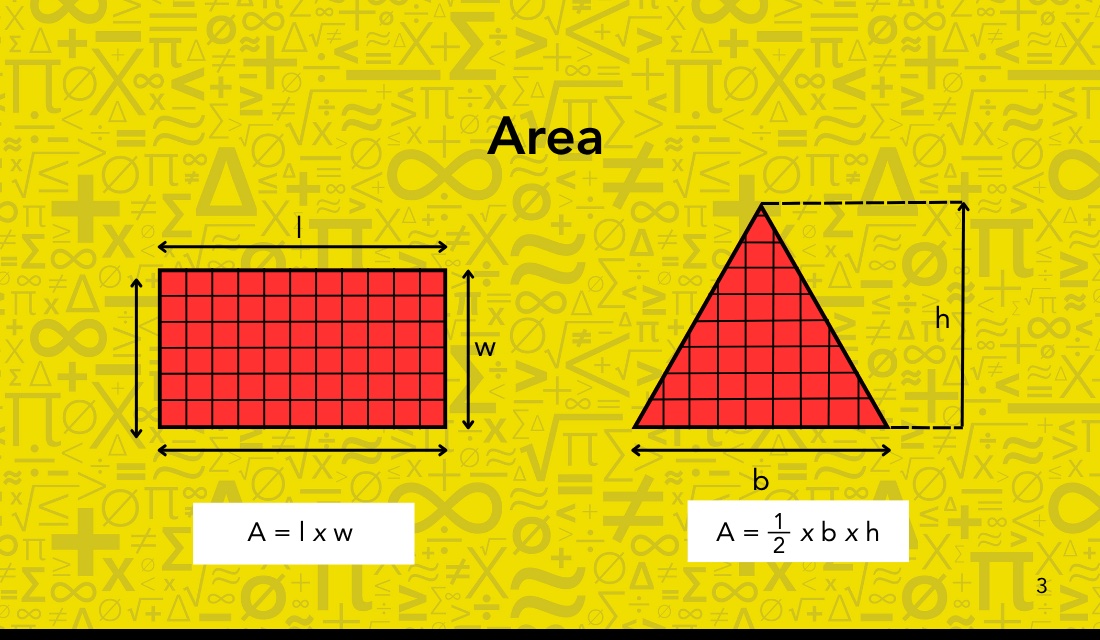
29. Unit square: a square with sides that are each one unit long, used as the basic building block for measuring area.
By fourth grade, students have a solid feel for what angles and lines look like. Now they learn to measure them precisely and give them proper names.
30. Acute angle: an angle that measures more than 0° but less than 90°. These angles are sharper than a right angle, which measures 90° exactly, so they look like they’re leaning in or closing up.
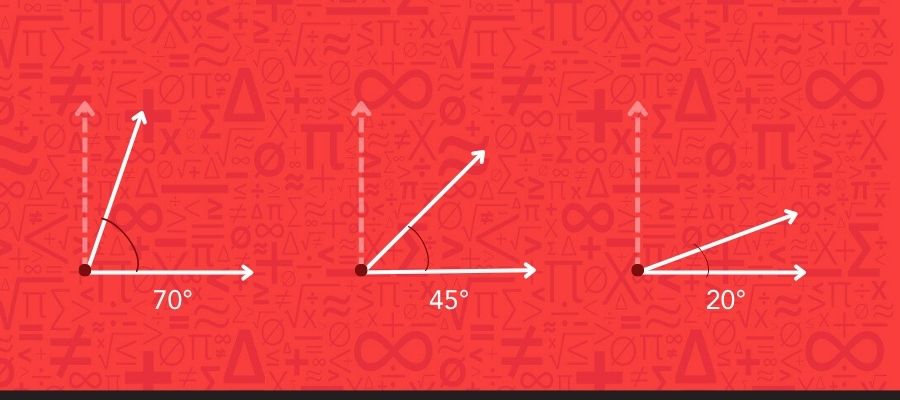
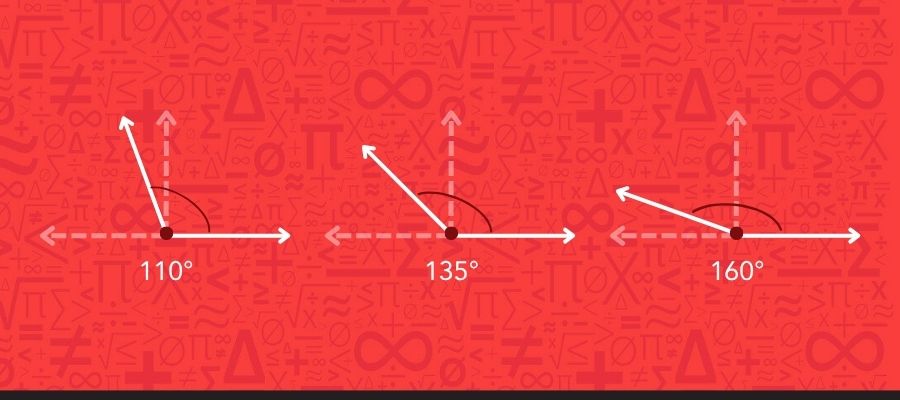
31. Obtuse angle: an angle that measures more than 90° but less than 180°.
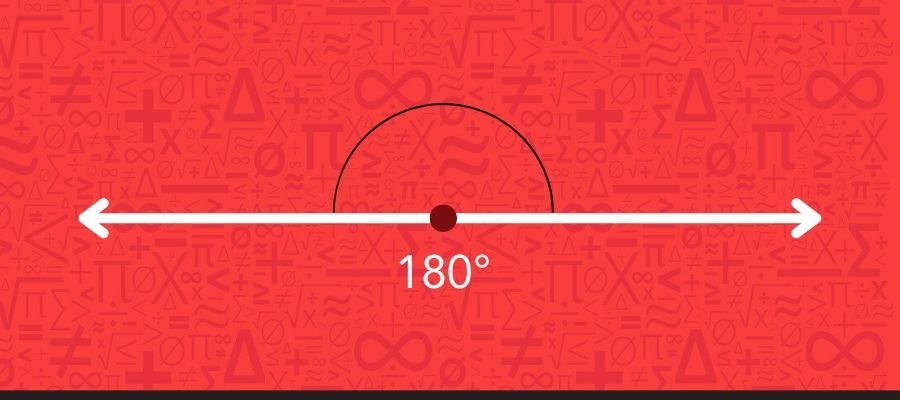
32. Straight angle: an angle that measures exactly 180 degrees. Its two rays point in opposite directions, which makes it look like a straight line.
33. Protractor: A tool we use to measure angles in degrees.
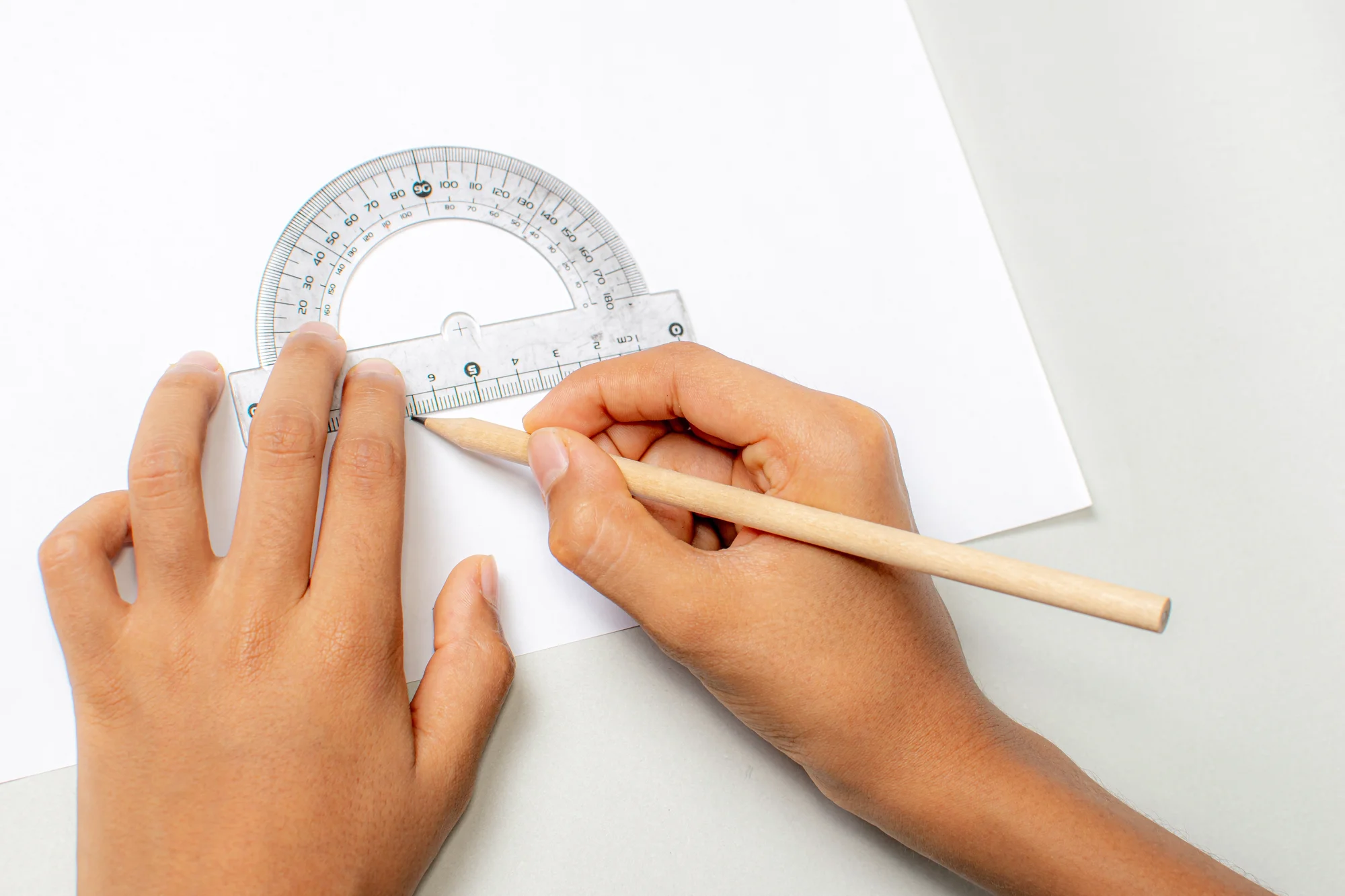
34. Degree (°): The unit used to measure angles. A full circle contains 360 degrees.
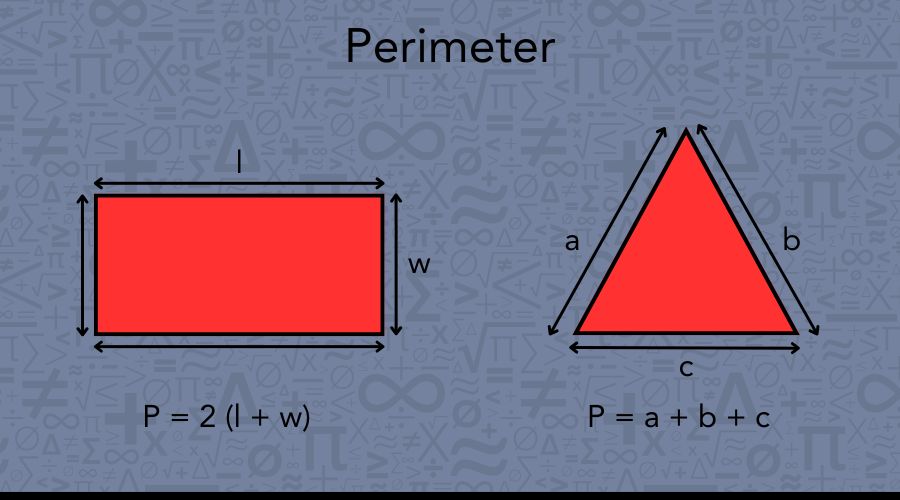
35. Perimeter: The total distance around the outside of a flat shape. We find it by adding all the side lengths together.
In grade 5, students learn about the way shapes relate to each other in a hierarchy and the concept of volume for the first time.
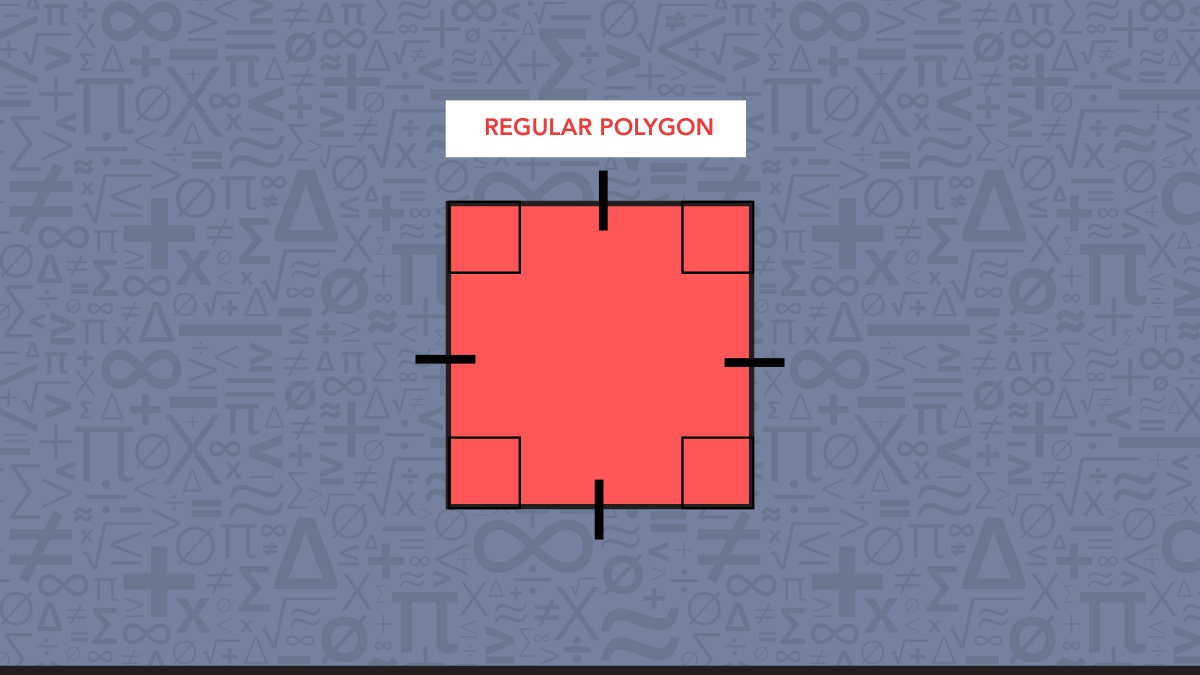
36. Regular polygon: a polygon where all sides are equal in length and all angles are equal in measure.
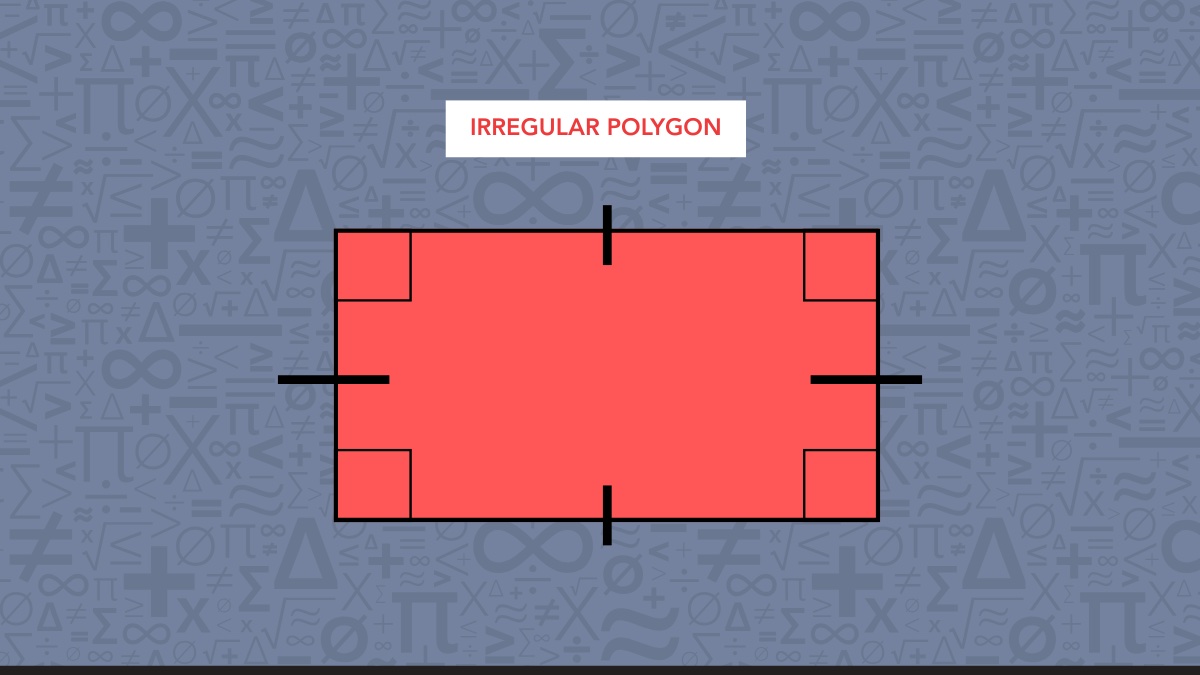
37. Irregular polygon: a polygon where the sides or angles are not all equal.
38. Right rectangular prism: A 3D shape with six rectangular faces where all angles are right angles, the most common box shape students encounter.
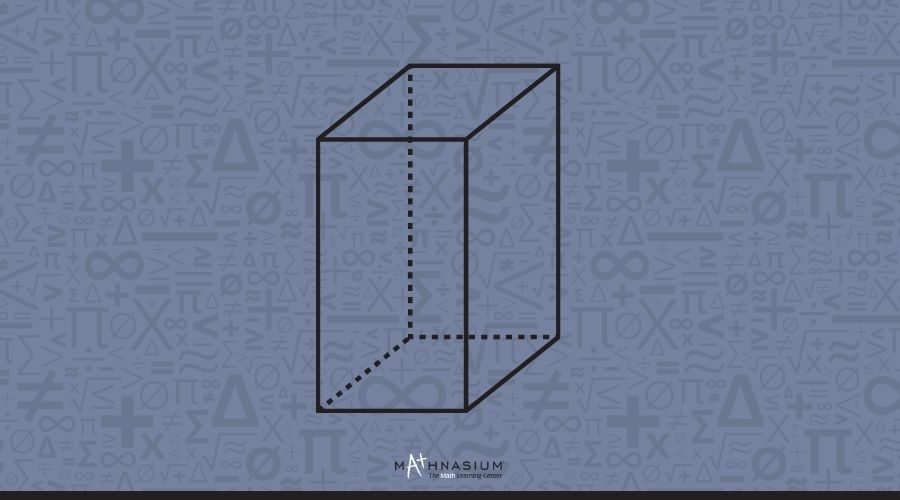
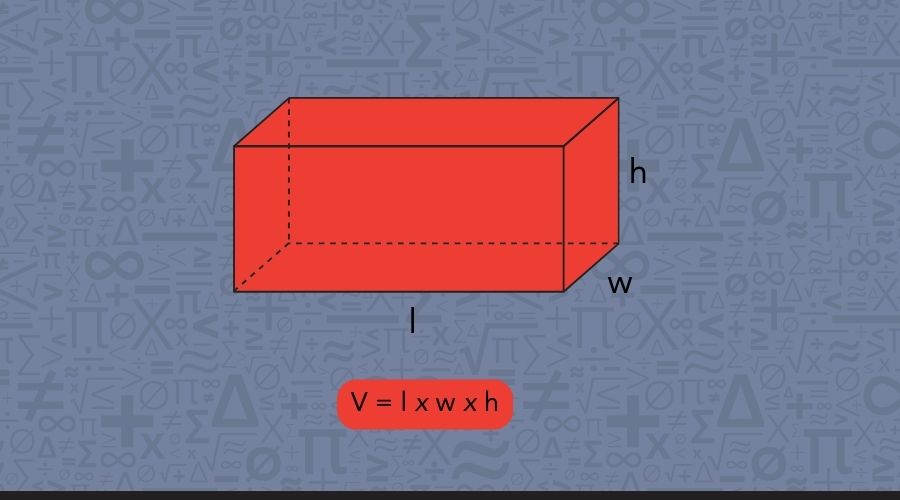
39. Volume: the amount of space inside a 3D object, like a box, a ball, or a cylinder. We measure it in cubic units.
Sixth grade brings some of the most visually interesting geometry students have encountered so far, with the coordinate plane making its formal appearance and nets offering a new way to think about 3D shapes.
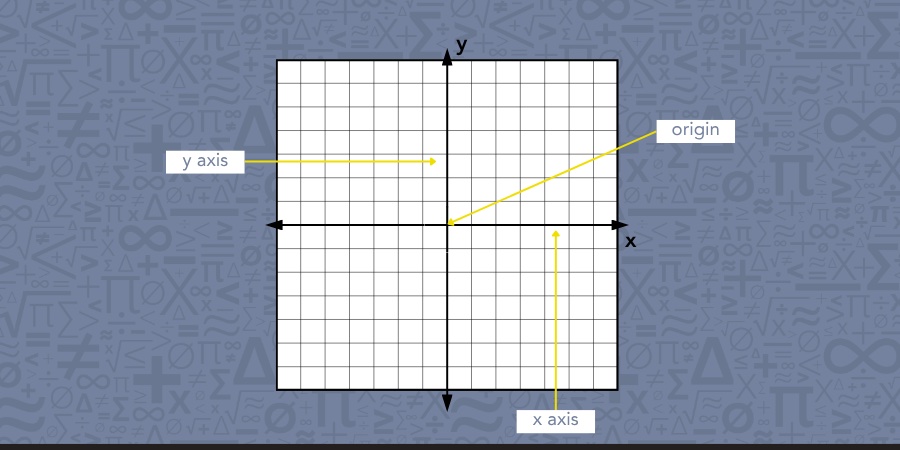
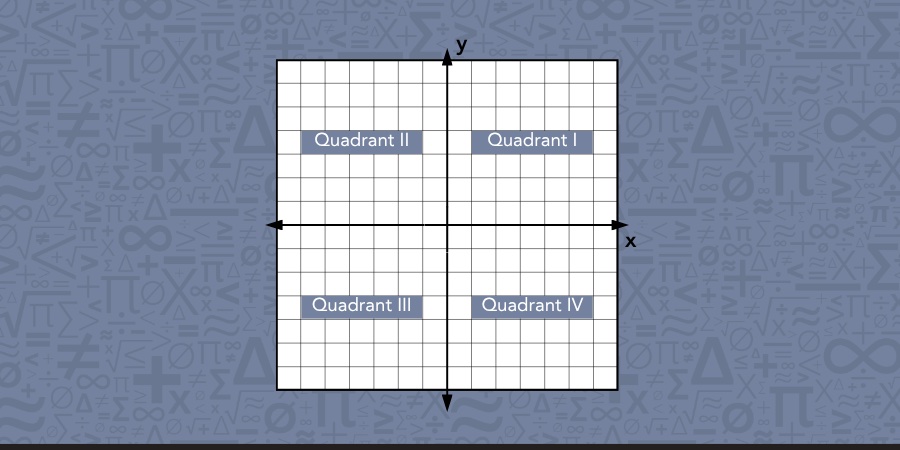
40. Coordinate plane: A flat surface formed by two number lines that cross at zero. The horizontal line is called the x-axis, the vertical line is called the y-axis, and the point where they cross is called the origin, represented as (0, 0).
41. Ordered pair: Two numbers we write together as (x, y) to describe an exact location on the coordinate plane.
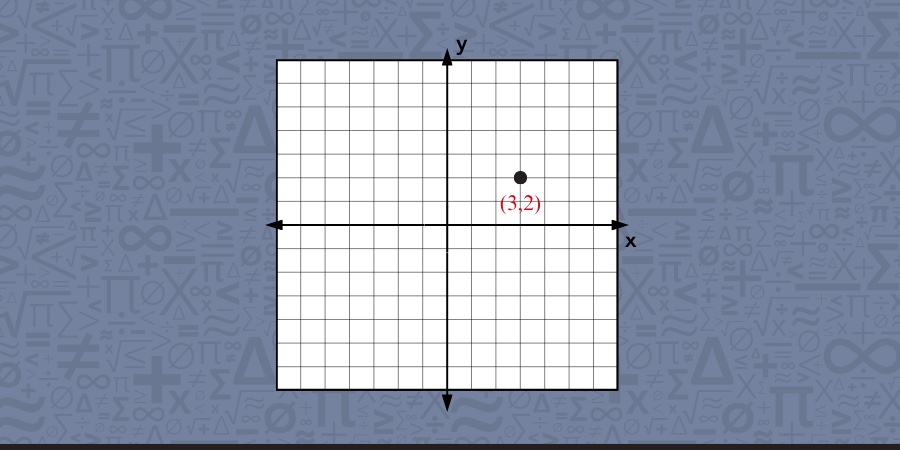
42. Quadrant: One of the four sections of the coordinate plane created where the x-axis and y-axis divide it.
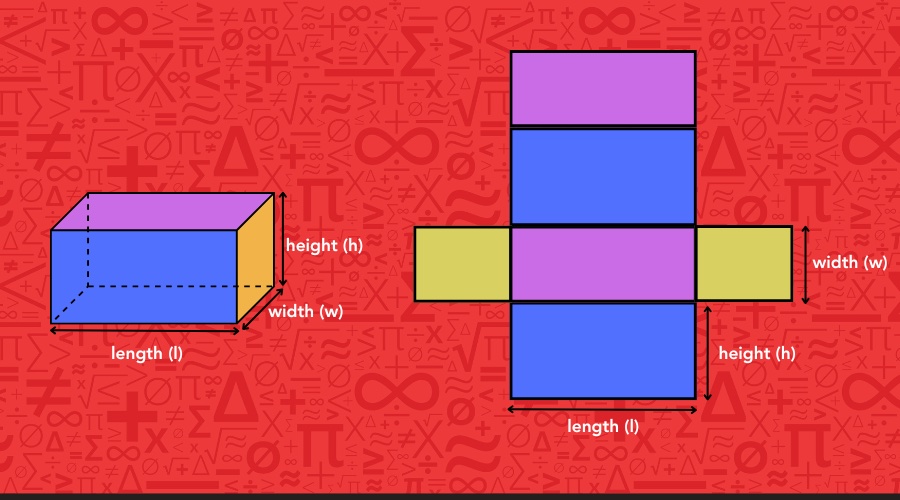
43. Net: A flat, unfolded layout of a 3D shape that, when folded back up, forms the surface of that shape.
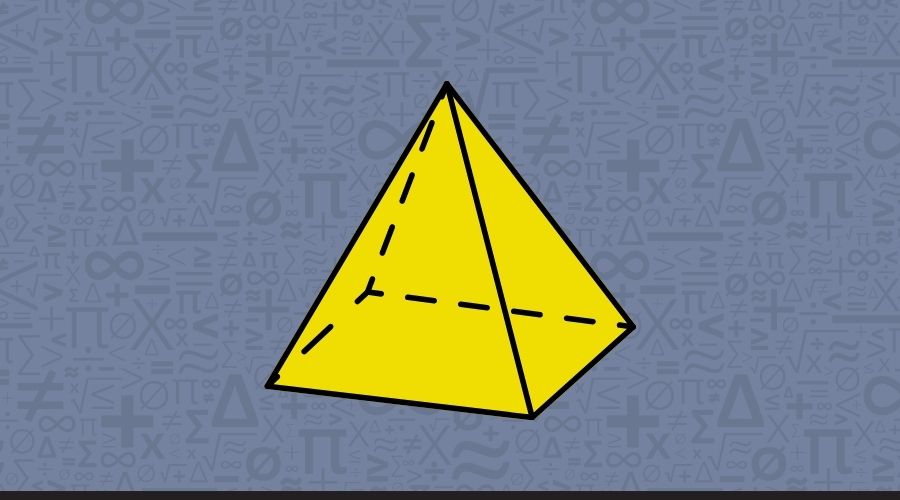
44. Right rectangular pyramid: a 3D shape with a rectangular base and four triangular faces that meet at a single point at the top.
Seventh grade focuses on two new ideas: cross-sections of 3D shapes and scale drawings.
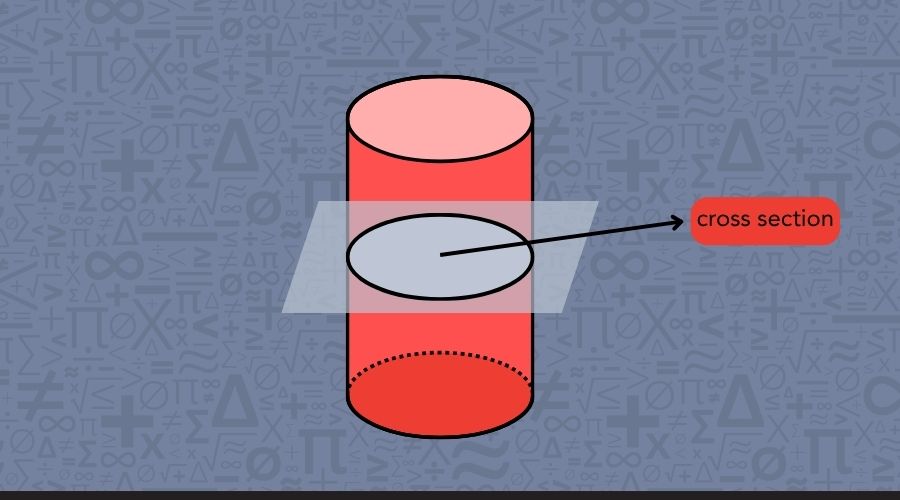
45. Cross-section: the flat shape revealed when a 3D object is cut straight through. Slice a cylinder parallel to its base, for example, and the cross-section is a circle.
46. Plane: a perfectly flat surface that extends forever in all directions. IIt has length and width but no height, so it is two-dimensional.
47. Scale drawing: a drawing that represents a real object at a reduced or enlarged size while keeping all proportions accurate.
48. Scale factor: The ratio between a measurement in a scale drawing and the corresponding measurement in the real object.
In the last year of middle school, students learn to move shapes around a coordinate plane, compare them for size and similarity, and work with one of the most famous relationships in all of mathematics.
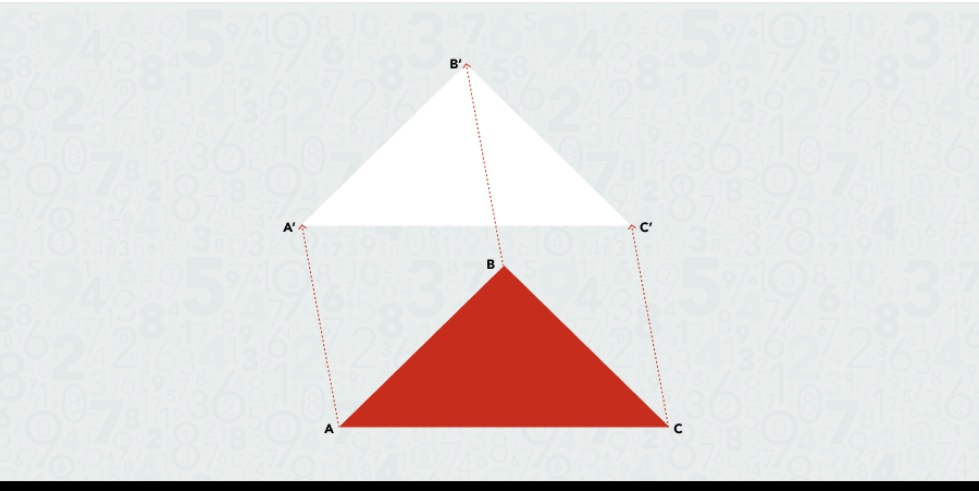
49. Translation: A transformation that slides a shape to a new position without changing its size, shape, or orientation.
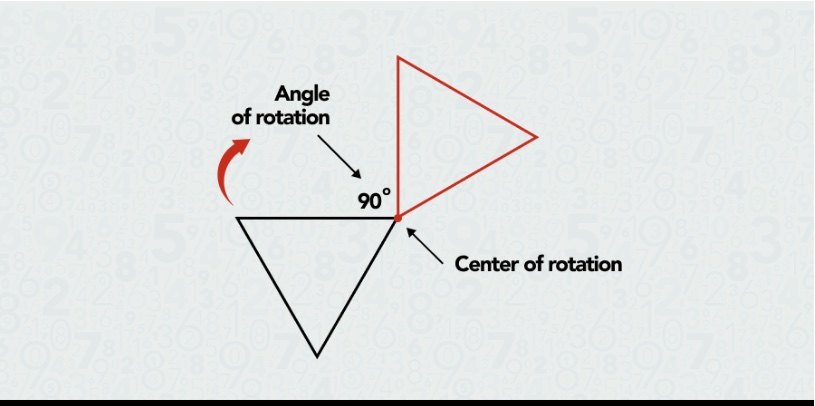
50. Rotation: A transformation that turns a shape around a fixed point by a given angle.
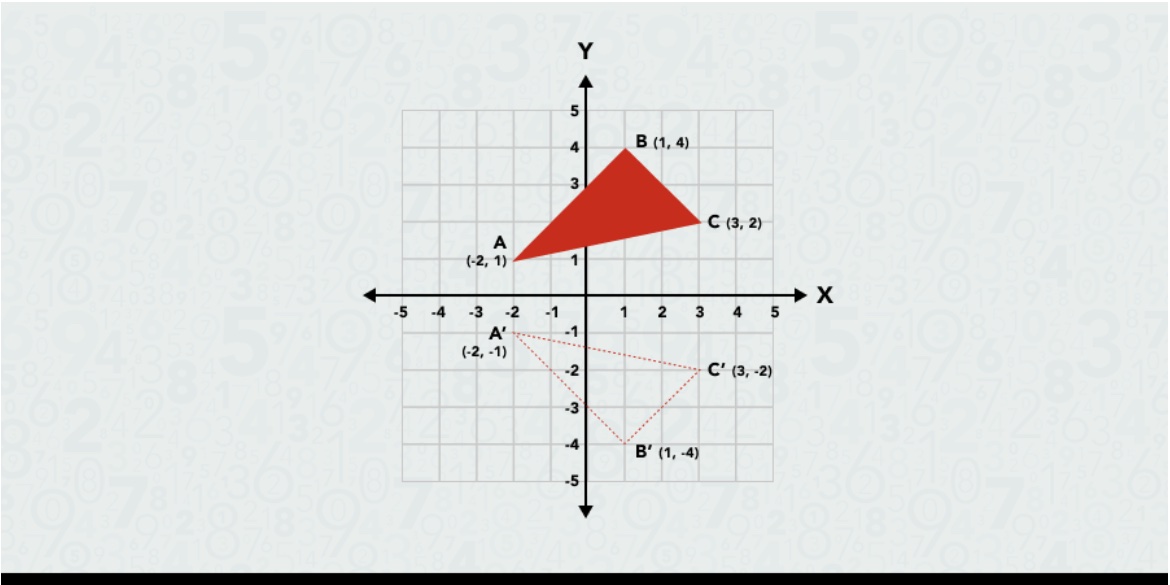
51. Reflection: A transformation that flips a shape across a line, producing a mirror image.
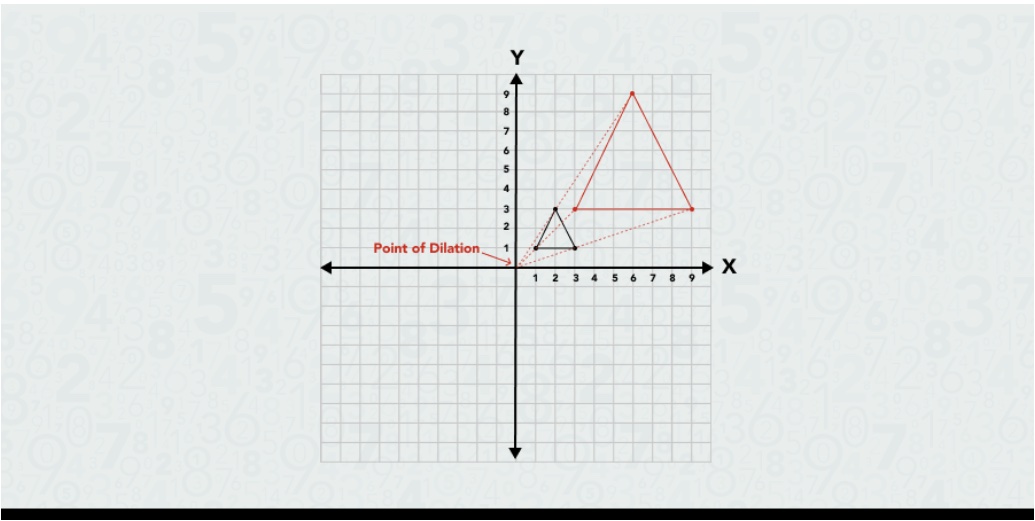
52. Dilation: A transformation that enlarges or reduces a shape by a scale factor while keeping its proportions the same.
53. Transformation: Any operation that moves or changes a shape on the coordinate plane, including translations, rotations, reflections, and dilations.
54. Congruent: Two shapes are congruent if they are exactly the same size and shape, meaning one can be mapped onto the other through transformations.
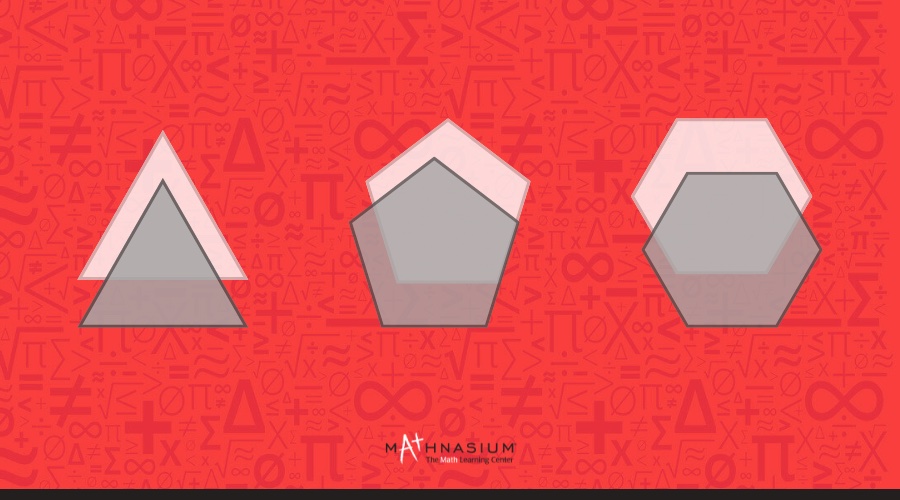
55. Similar: Two shapes are similar if they have the same shape but different sizes, with one being a scaled version of the other.
56. Right triangle: A triangle that contains one right angle of exactly 90 degrees.
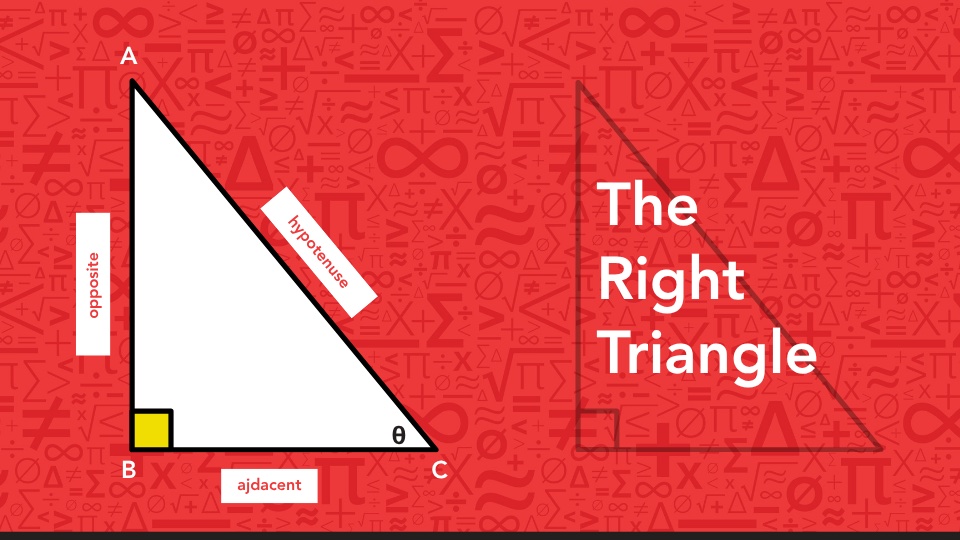
57. Hypotenuse: The longest side of a right triangle, always found opposite the right angle.
58. Legs: The two shorter sides of a right triangle that form the right angle.
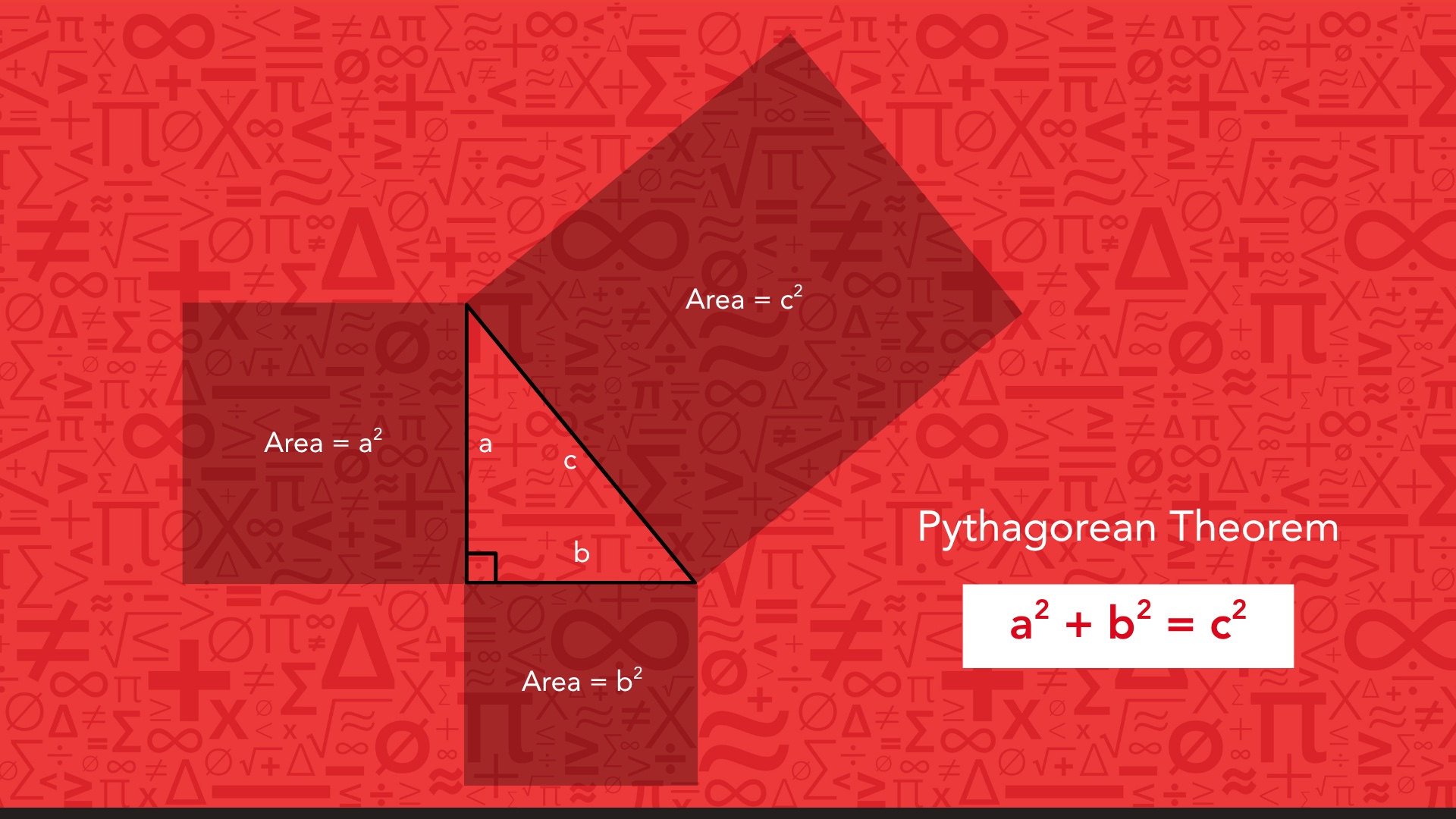
59. Pythagorean Theorem: a rule in geometry that connects the three sides of a right triangle. Square the two shorter sides, called the legs, add them together, and the result equals the square of the longest side, called the hypotenuse. We write it as a² + b² = c².
Mathnasium is a math-only learning center empowering K–12 students of all levels to excel in math.
When students turn to us for geometry support, whether it is a foundational skill like identifying shapes and angles or a more advanced concept like transformations and the Pythagorean Theorem, our focus is on building a deep understanding of those concepts.
To help students reach that level, we do not use a one-size-fits-all curriculum but a proprietary teaching approach called the Mathnasium Method™. Beyond rote memorization or shortcuts, our method is built to help students truly make sense of geometry.
We support math and geometry mastery through:
Personalized learning: Each student begins with a diagnostic assessment that helps us identify current skills, knowledge gaps, and how they naturally think through math problems. We use those insights to build a custom learning plan tailored to their needs.
Teaching for understanding: We explain geometry concepts in natural, everyday language, using a mix of verbal, visual, mental, tactile, and written techniques. This allows each student to approach geometry in the way that makes the most sense to them.
Caring tutors: Our tutors are specially trained in both the technical and emotional aspects of teaching. They know when to guide, when to challenge, and how to help students regain trust in their thinking, particularly when geometry feels overwhelming.
Problem-solving and critical thinking: We give students space to work through geometry challenges on their own, then rejoin them to check their reasoning. Instead of just giving them the answer, we help them understand the how and why behind each solution. This helps them develop problem-solving skills they can use in the classroom and beyond.
A supportive, fun environment: Many of our activities are hands-on or game-based. We use reward systems and consistent encouragement to keep students engaged. We celebrate progress because students gain motivation with every win.
The results speak volumes:
94% of parents report improvement in their child's math skills and understanding
93% of parents notice a more positive attitude toward math
90% of students see higher grades in school
Mathnasium operates over 1,100 learning centers across North America, bringing our proven approach close to your community.
If you are based in or near Seal Beach, CA, you are in good hands with Mathnasium of Seal Beach, a trusted local center with years of experience building confident math thinkers.
Whatever part of geometry your child needs help with, our team is ready. Schedule a free diagnostic assessment to get a clear picture of where they stand, and from there, we will build a personalized learning plan to help them master geometry at their own pace.
📅 Schedule a Free Assessment at Mathnasium of Seal Beach
Not near Seal Beach, CA?
Mathnasium of Seal Beach is a math-only learning center for K-12 students in Seal Beach, CA. Trusted by over a million parents, Mathnasium uses personalized learning plans and the proprietary Mathnasium Method™ to help students catch up, keep up, and get ahead on their math journey.
Our specially trained tutors deliver face-to-face instruction in a supportive and fun small-group environment, working with students both in center and online to develop a deep understanding of math, build confidence, and improve academic performance.
Schedule Free Assessment
