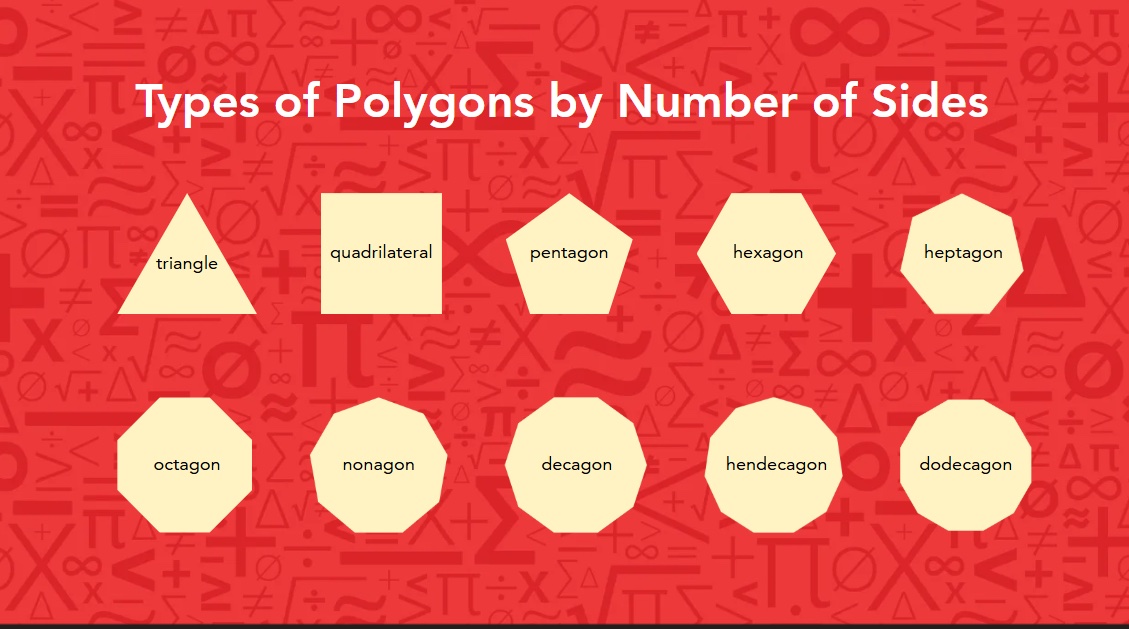
We can spot 2D shape patterns throughout the 3D world around us, from building designs and sports equipment to plants and everyday objects. Geometry gives each of these shapes a precise name based on how many sides it has.
Today, Mathnasium tutors will explain what qualifies a shape as a polygon, introduce the names of shapes with 3 to 12 sides, and share real-world examples that make them easier to recognize and remember.

What Is a Polygon?
A polygon is a flat, closed shape made of straight sides that connect to form a complete boundary.
We can identify a polygon by checking three simple rules:
-
Flat: A polygon is a two-dimensional shape. It exists on a flat surface.
-
Closed: All sides connect end-to-end with no gaps or open ends.
-
Straight sides only: A polygon cannot have curved sides. For example, a circle is not a polygon because it has no straight sides or corners.
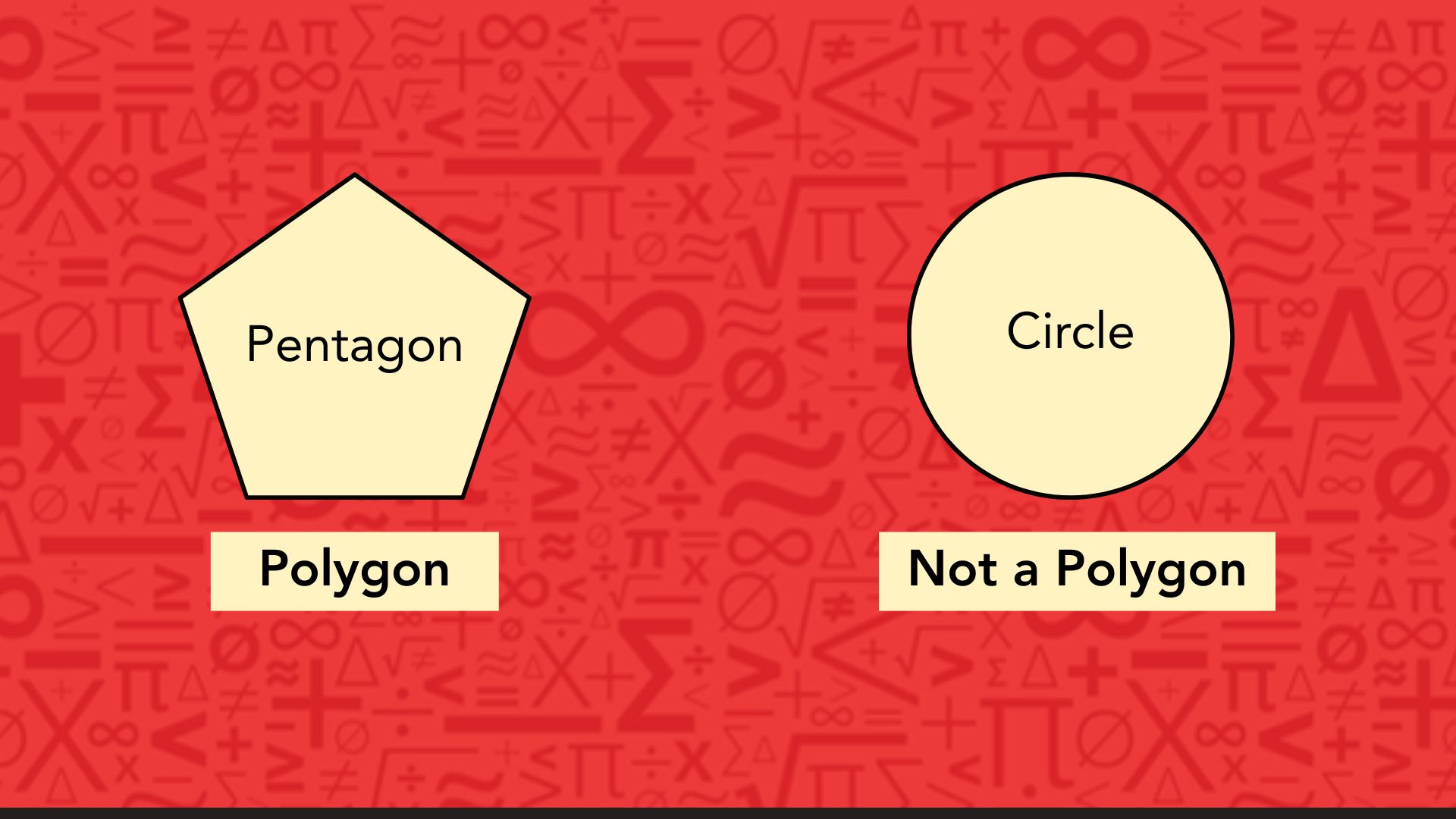
We can classify polygons based on whether their sides and angles are equal:
-
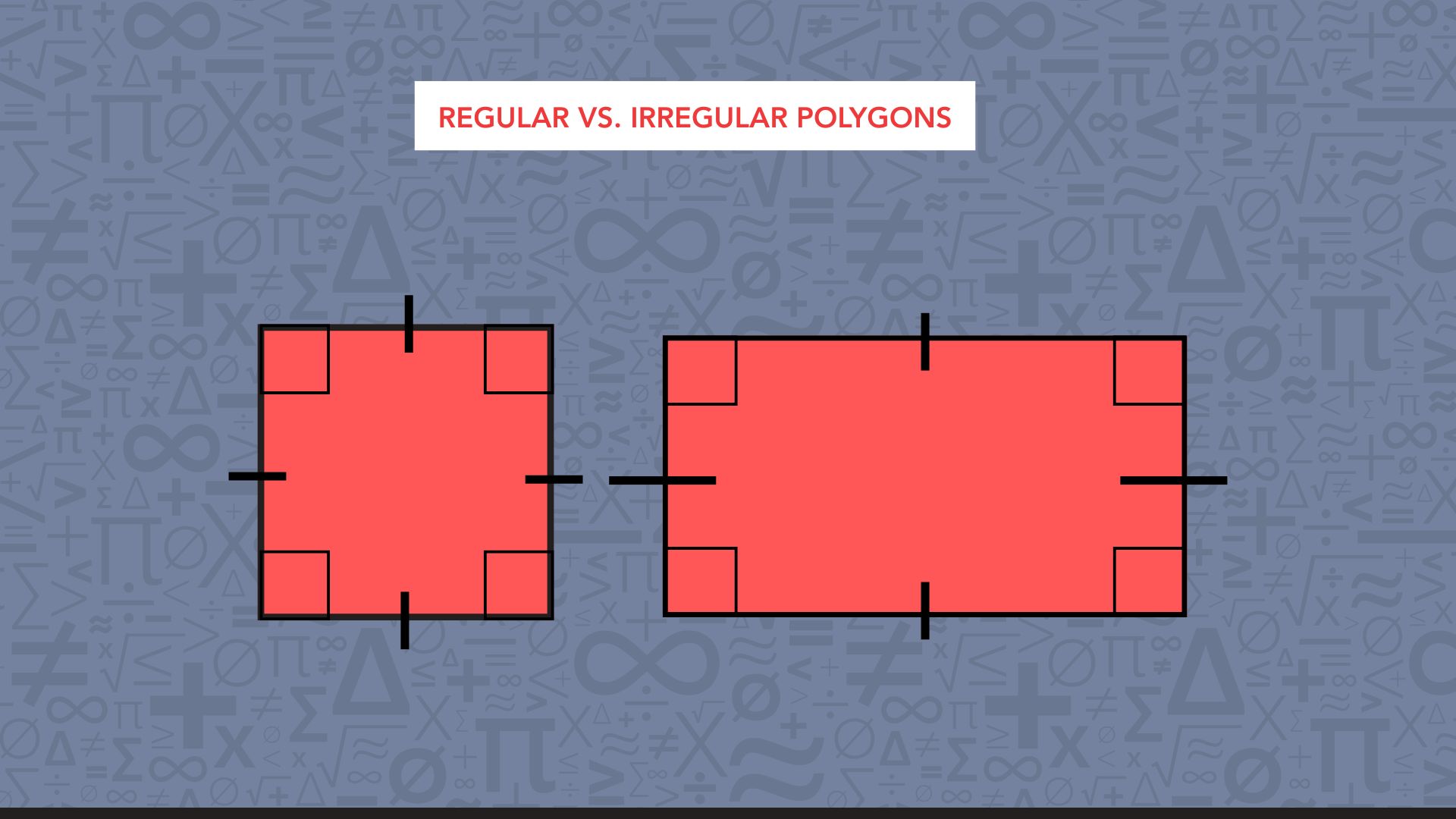
Regular polygon: All sides are equal in length, and all interior angles are equal. A square is an example of a regular polygon.
-
Irregular polygon: The sides and angles do not all have to match. Most real-world polygons are irregular.
Next, we'll see how mathematicians name polygons based on the number of sides they have.
📕 You May Also Like: Regular vs. Irregular Polygons: What's the Difference?
Polygon Shapes from 3 to 12 Sides
Now that we understand the basics of polygons, let's start with a quick reference table that shows the number of sides, vertices, and interior angle sums for the most common polygon shapes.
| Polygon Name |
Number of Sides |
Number of Vertices |
Sum of Interior Angles |
| Triangle |
3 |
3 |
180° |
| Quadrilateral |
4 |
4 |
360° |
| Pentagon |
5 |
5 |
540° |
| Hexagon |
6 |
6 |
720° |
| Heptagon |
7 |
7 |
900° |
| Octagon |
8 |
8 |
1,080° |
| Nonagon |
9 |
9 |
1,260° |
| Decagon |
10 |
10 |
1,440° |
| Hendecagon |
11 |
11 |
1,620° |
| Dodecagon |
12 |
12 |
1,800° |
Ready to meet them one by one? Let's take a closer look at each polygon and learn what makes it unique.
1. Triangle
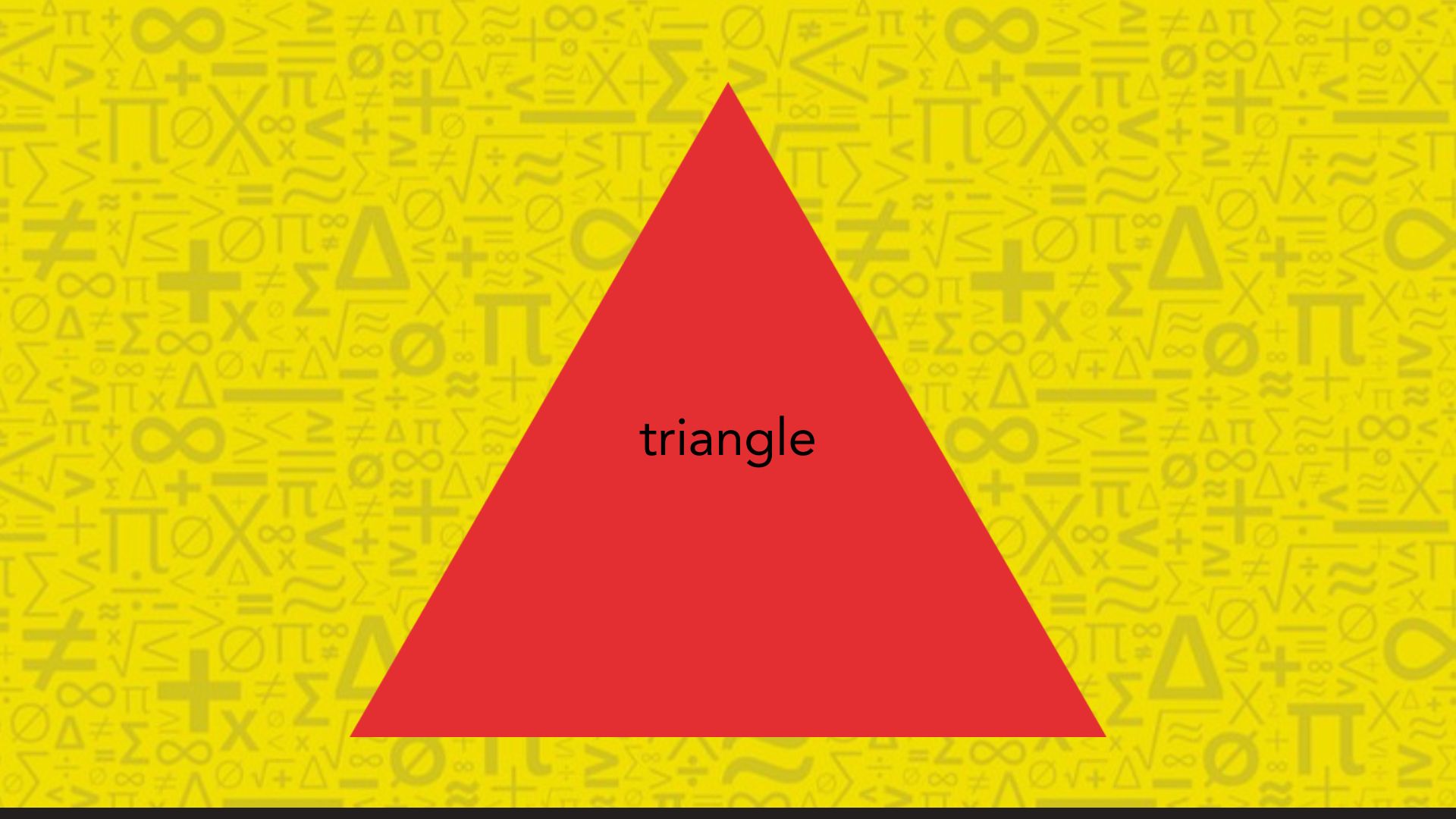
A triangle is the simplest polygon, with three sides, three vertices, and interior angles that always sum to 180°. Because it has the fewest sides possible, it serves as the foundation for many geometry concepts.
Engineers often build triangular supports into bridges and roof trusses because triangles help distribute weight and maintain stability.
2. Quadrilateral
A quadrilateral is any four-sided polygon with interior angles summing to 360°. Since so many everyday objects have four sides, quadrilaterals are some of the most recognizable polygons.
Squares and rectangles are common examples, and we can find them in doors, windows, and floor tiles in almost every room.

3. Pentagon
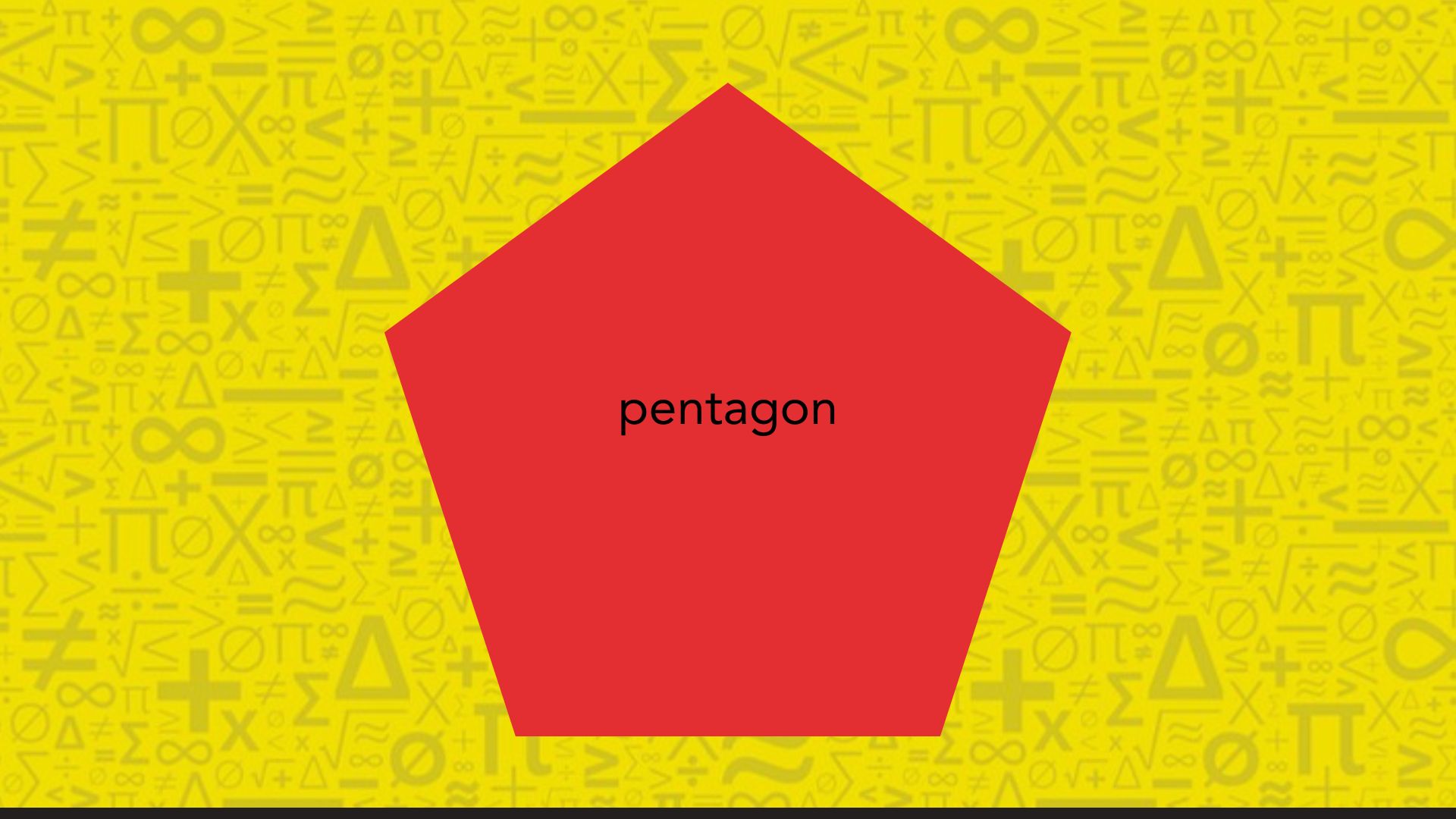
A pentagon is a five-sided polygon with interior angles that sum to 540°.
While pentagons can be regular or irregular, many of us recognize the shape from the home plate on a baseball diamond, which is an irregular pentagon.
4. Hexagon
A hexagon is a six-sided polygon with interior angles that sum to 720°.
Regular hexagons fit together perfectly without leaving gaps, which is why honeybees build their honeycombs from hexagonal cells.

5. Heptagon
A heptagon is a seven-sided polygon with interior angles that sum to 900°. Heptagons are relatively rare in everyday life, but they do appear on some British coins that use seven-sided shapes for easy identification.

6. Octagon
An octagon is an eight-sided polygon with interior angles that sum to 1,080°. The regular octagon is one of the most universally recognized shapes in the world.
Every standard stop sign uses this shape because its distinct eight-sided silhouette stands out immediately from a distance.

7. Nonagon
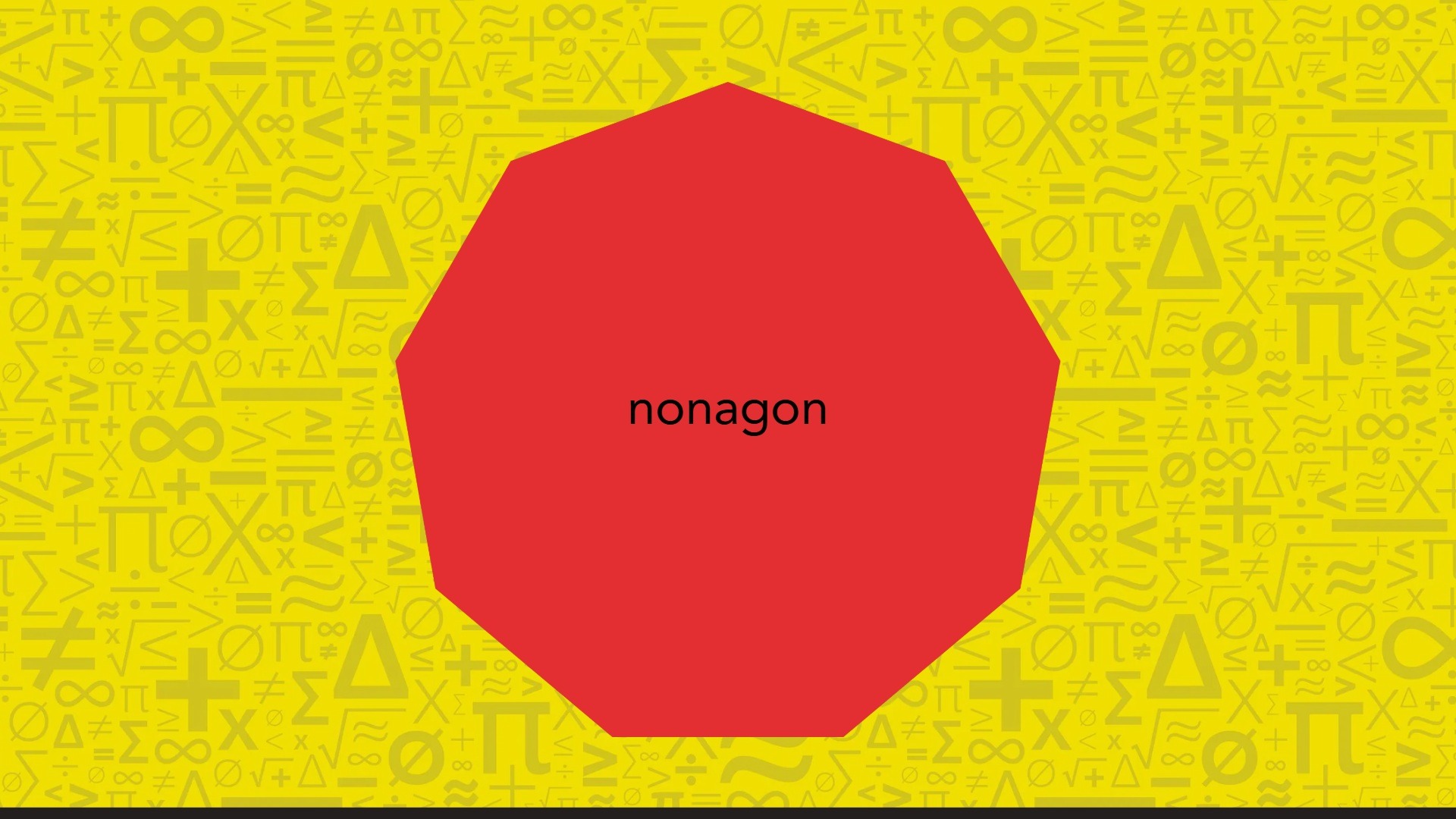
A nonagon is a nine-sided polygon with interior angles that sum to 1,260°. We do not encounter nonagons very often outside of math.
Decorative tile patterns sometimes use nonagons as part of larger geometric designs, but we are more likely to see them in geometry lessons than in everyday objects.
8. Decagon
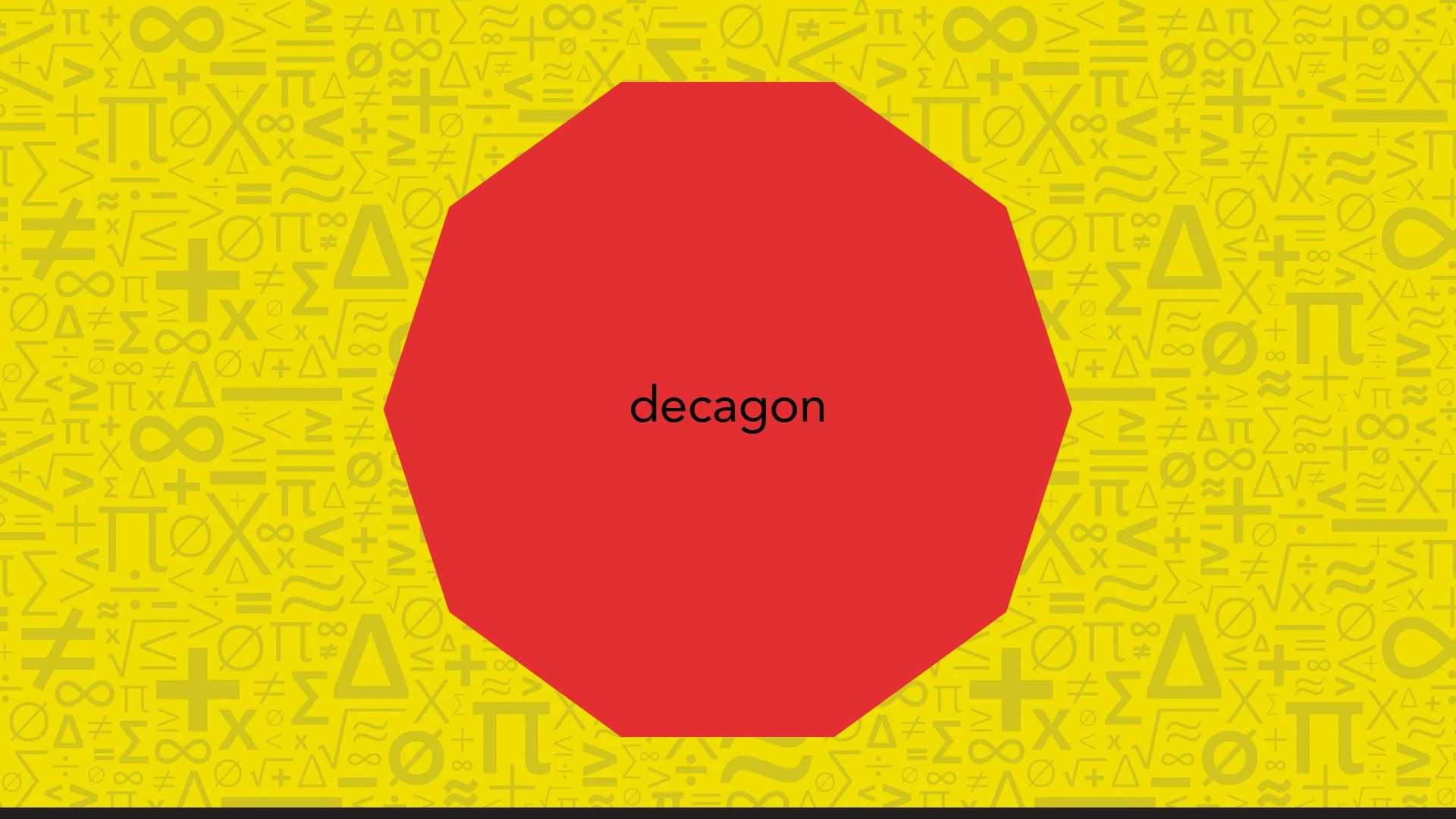
A decagon is a ten-sided polygon with interior angles that sum to 1,440°. While decagons are not commonly found in everyday objects, they do appear in some decorative designs, coins, and medallions.
9. Hendecagon
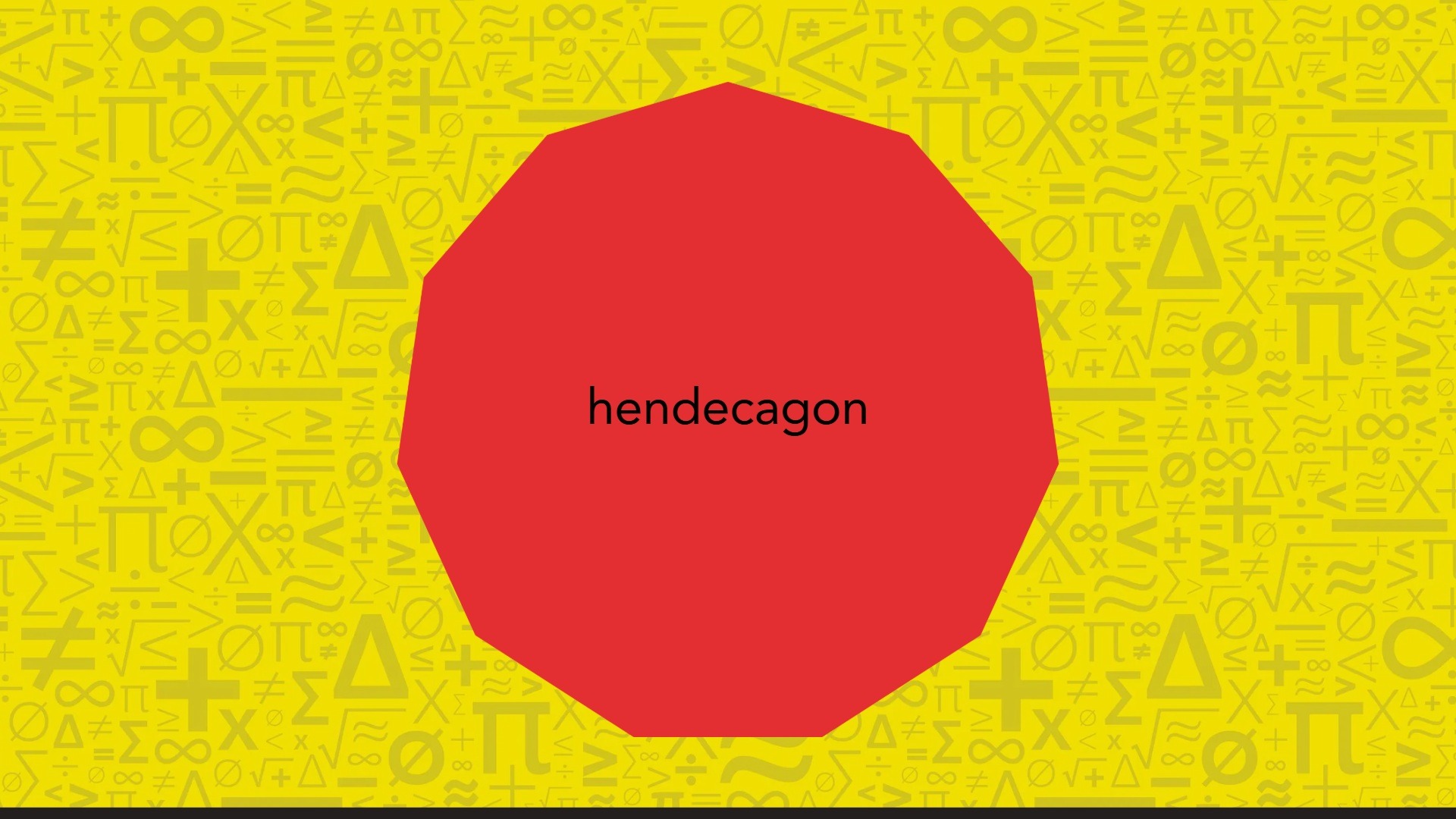
An hendecagon is an eleven-sided polygon with interior angles that sum to 1,620°.
The hendecagon ranks among the rarest polygon shapes in everyday life, but we can occasionally spot it in specialized design patterns.
10. Dodecagon
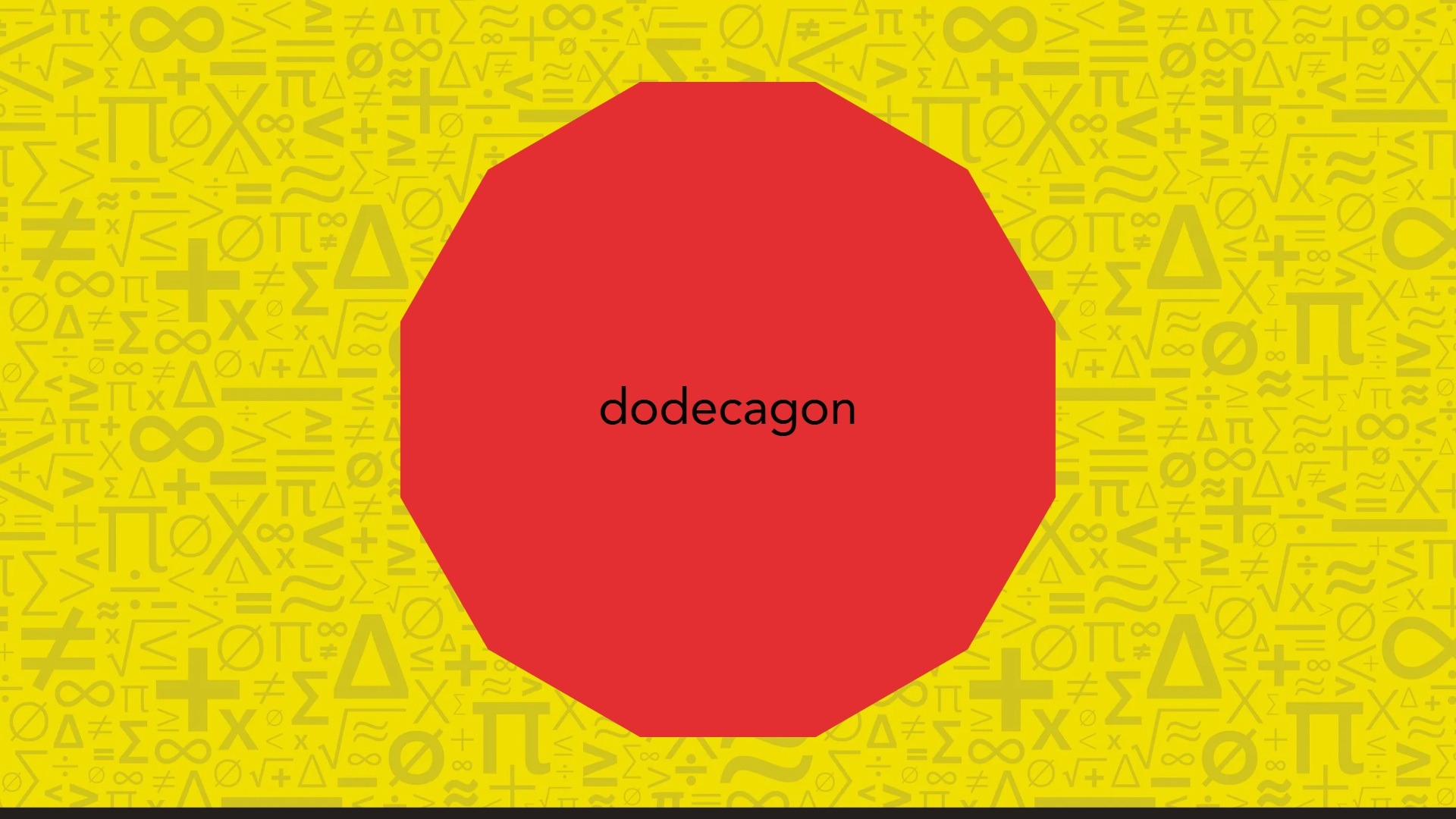
A dodecagon is a twelve-sided polygon with interior angles that sum to 1,800°. Some clock face designs and decorative architectural features use twelve-sided shapes that correspond to the twelve hours on a clock.
📕 You May Also Like: How to Calculate the Area of Triangles - A Beginner's Guide
Where Do We See Polygons?
We've already seen some real-world examples of polygons, but this is only the beginning. A polygon is a 2D shape, so in the 3D world around us, we usually spot them as outlines, surfaces, patterns, or flat faces on objects.
We may sometimes think of math like a long list of formulas and definitions, but polygon shapes show us that those ideas are not limited to a page in a workbook. We can see the same patterns and rules in many of the objects around us.
| Where to Look |
Polygons You Will Find |
| In nature |
Hexagons in some snowflake patterns, triangles in mountain silhouettes, and leaf formations |
| In buildings and cities |
Quadrilaterals in brick walls, sidewalks, and building facades, hexagons in decorative floor mosaics |
| In everyday objects |
Pentagons and hexagons on soccer ball panels, quadrilaterals on smartphone screens, and book covers |
| In food |
Triangles in pizza slices and sandwich cuts, quadrilaterals in crackers and waffles |
The next time you are at home, in school, or outside, see how many different polygon shapes you can find. Math can be fun outside the classroom, too.
📕 You May Also Like: Math for Life: Why Math Skills Matter Beyond School
FAQ About Polygon Shapes
Our young learners in Grades 3 through 7 often ask a few follow-up questions when learning polygon names and classifications, so let's answer some of the most interesting ones.
1. Why do polygons have so many different names?
Polygon names help mathematicians describe shapes precisely. Instead of saying "a shape with eight sides," we can simply say "octagon." The names make it easier to communicate and compare shapes.
2. Why do some polygons appear more often than others?
Some shapes are easier to use in construction, design, and manufacturing. That is why we see many triangles, quadrilaterals, and hexagons in everyday life, while shapes such as hendecagons and nonagons are much less common.
3. Can a polygon have 100 sides?
Yes. In fact, polygons can have any number of sides greater than two. A polygon with 100 sides is called a hectogon.
4. What is the largest polygon?
A polygon can have as many sides as we want. Mathematicians have names for many of them, but there is no "largest" polygon because we can always add another side.
📕 You May Also Like: 10 Geometry Concepts Students Should Master Before 10th Grade

At Mathnasium, we use visual examples and hands-on learning to help students make sense of geometric concepts.
How Mathnasium Helps Students Understand Shapes and Geometry
Mathnasium is a math-only learning center dedicated to helping K–12 students of all skill levels excel in math.
Whether students are building their first geometry vocabulary, learning to classify shapes by their properties, or preparing for more advanced geometry concepts, we can help.
Our proprietary teaching approach, the Mathnasium Method™, is designed around each student's needs and learning style.
To help students build a deep understanding of polygon shapes and geometry concepts, our approach includes:
-
Assessment and Personalized Learning Plans: Each student starts with a diagnostic assessment that identifies current skills, strengths, and gaps. From those findings, we build a personalized learning plan tailored to their goals, whether that means mastering shape names and properties, strengthening geometry foundations, or building confidence with shape classification and geometric thinking.
-
Teaching for Understanding: Our specially trained tutors use natural language and a mix of verbal, visual, mental, tactile, and written techniques so each concept lands before we move forward.
-
Problem-Solving and Critical Thinking: We allow time for students to work through problems on their own. That productive struggle helps them learn to trust their own reasoning. When we do step in, we explain both the how and the why behind each answer, so students build problem-solving and critical thinking skills they can use in math and beyond.
-
An Engaging and Fun Learning Environment: Sessions include games, earned rewards, and consistent celebration of progress. Students build confidence alongside fluency, and many develop a more positive relationship with math over time.
Parents who bring their children to Mathnasium see consistent, measurable results:
-
94% of parents report improvement in their child's math skills and understanding
-
93% of parents report an improved attitude toward math after attending Mathnasium
-
90% of students saw improvement in their school grades
With over 1,100 learning centers across North America, there is likely a Mathnasium close to you.
Families across Manhattan Beach and nearby areas, including Hermosa Beach and Redondo Beach, trust Mathnasium of Manhattan Beach to help their children build real math confidence at every level.
If polygon shapes or any other math concept is giving your child trouble, our team is ready to help.
📅 Schedule a Free Assessment at Mathnasium of Manhattan Beach
Not near Manhattan Beach?
📍 Find a Mathnasium Learning Center Near You


 (310) 905-6284