0207 0787 000











The First Half-Term Check-In: How Is Your Child Really Getting On With Maths?
Oct 23, 2026 |

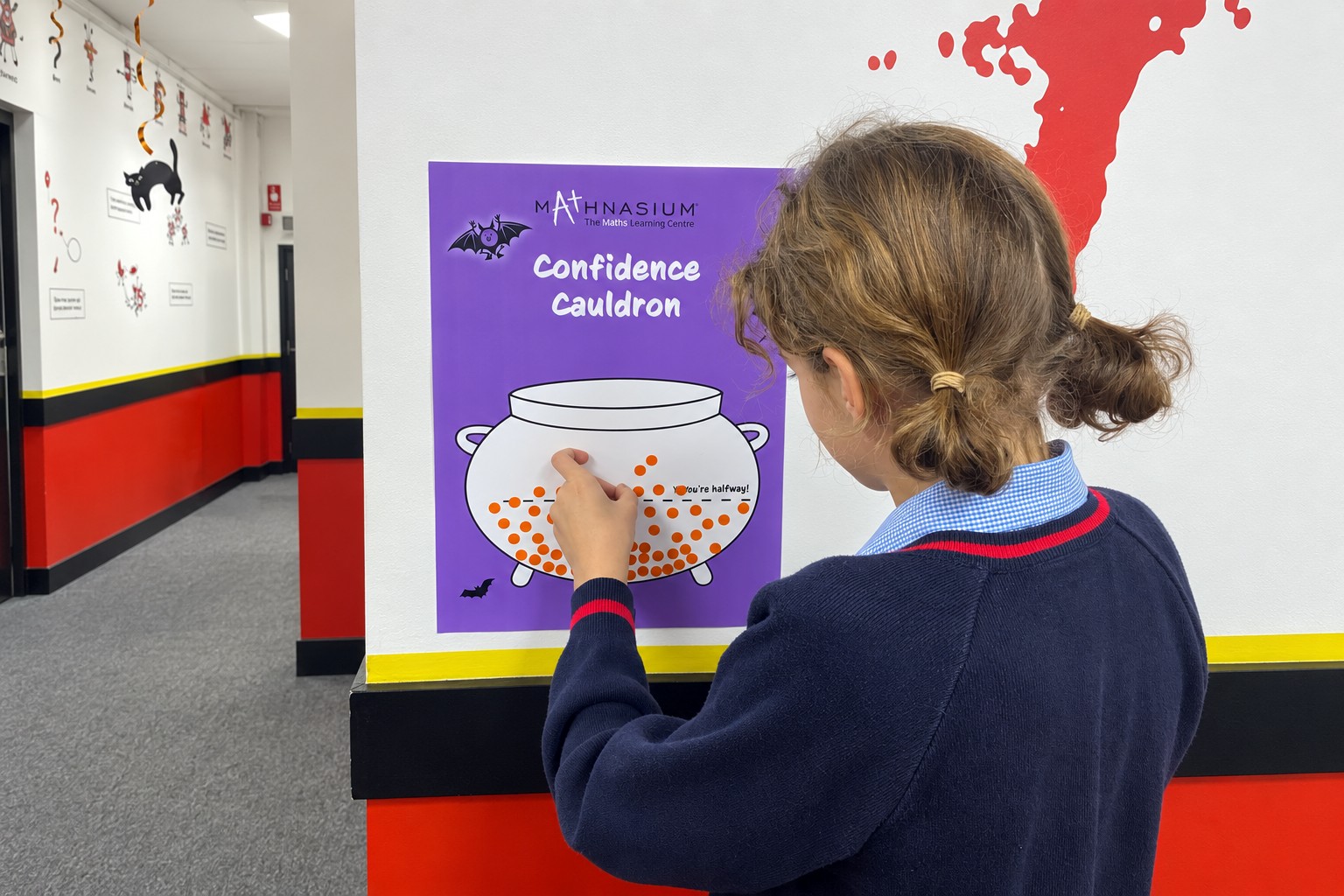
When a child struggles with maths, the instinctive response from a lot of parents is to treat it strictly as an accuracy issue. The parent may notice mistakes on homework sheets and possibly jump to finding a solution by drilling times tables, repeating practice papers or pushing for faster results. Yet in focusing purely on performance and ticks on a page, we frequently overlook the deeper foundation driving those results: confidence.
Conditioned by rapid digital algorithms, instant messaging and quick answers, today’s children are increasingly becoming accustomed to expecting immediate success in everything they turn their attention to. So when they encounter mathematical friction without an immediate lightbulb moment, their self belief can deteriorate quickly.
Fear of failure leads children to adopt cognitive shortcuts or to disengage entirely. They start to see a temporary logic hurdle as a permanent personal limitation, entertaining the narrative that they are simply "not a maths person". However, real learning occurs precisely at the point of struggle. When a child hits a barrier, their brain must adapt to process new logic. But if that moment triggers anxiety instead of curiosity, learning reaches a standstill.
Maths anxiety does not always look like tears at the kitchen table. More often, it presents as subtle behavioural shifts that parents might easily miss:
Shifting focus from instant accuracy to deep numerical understanding changes how a child approaches challenge. Parents can foster active concentration and resilience at home by making small, intentional shifts in how they talk about maths:
When instant gratification is replaced by structured focus, children rebuild their working memory and lose the fear of getting things wrong. Through the Mathnasium Method™, students learn to view mistakes not as failures, but as valuable feedback. As fear drops away, understanding replaces guessing and natural progress follows.
If your child is showing signs of homework avoidance, low self belief or maths anxiety, identifying their true starting point is key. Building genuine confidence requires knowing exactly where their foundational knowledge is strong and where small gaps need bridging.
Discover how bespoke instruction and a supportive environment through the Mathnasium Method™ can transform your child’s learning experience.
Book a free assessment at your local Mathnasium centre today.