0203 983 1600










The First Half-Term Check-In: How Is Your Child Really Getting On With Maths?
Oct 23, 2026 |

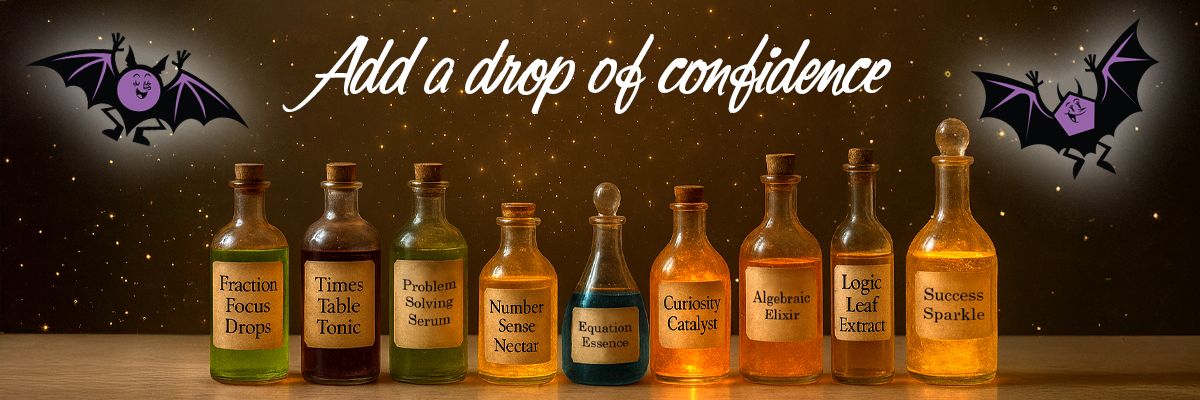
Halloween is a time for ghosts, ghouls, and things that go bump in the night. But when it comes to maths, fear is optional. Fractions aren’t frightening, and times tables don’t have to feel like monsters under the bed.
Yet the truth is, maths anxiety is very real. Research shows that around one in five adults in the UK feels anxious when faced with numbers. Even more surprising, over 20% of secondary maths teachers say they’ve experienced maths anxiety themselves. If grown-ups feel it, it’s no wonder children sometimes do too.
The problem? Maths anxiety doesn’t always match ability. The Nuffield Foundation found that many children who struggle with confidence in maths are actually performing at or above average. It’s not about what they can do, it’s about what they believe they can do.
Like a haunted house, maths anxiety plays tricks on the brain. Even small amounts of anxiety can block working memory, making it harder to solve problems that a child would normally get right. It’s a vicious cycle: anxiety reduces performance, which then fuels more anxiety.
And for some children, especially during the tricky transition from primary to secondary school, that cycle can make them “switch off” from maths altogether. The Financial Times has highlighted how underachievement in maths can impact social mobility and even reduce lifetime earnings by hundreds of thousands of pounds. That’s a frightening thought, and not because it’s Halloween.
Here’s the good news: maths anxiety is treatable. In fact, confidence is often a better predictor of maths success than grades alone. Studies show that many girls, for example, outperform boys at GCSE level, yet are less likely to pursue maths further because they don’t feel confident enough.
That’s why building a positive relationship with maths early on matters so much. With the right support, children learn that mistakes aren’t scary, they’re part of the process.
So this Halloween, let the ghosts do the scaring. Because while Halloween is meant to be spooky, maths doesn’t have to be.