Behind every sturdy bridge, smooth-rolling wheel, or neatly built room is a clear geometric purpose, grounded in the very same concepts we learn in school.
The math shows us the “why” behind every design choice, explaining how shapes work to hold weight, guide motion, or tile space without gaps.
Today, our Mathnasium tutors will explain how shapes, angles, and measurements help us understand familiar places and objects around us.
Along the way, we'll connect these examples to the foundational geometry concepts students build throughout Grades 4–8.
How Shapes Bring Geometry to Life
Shapes are the outlines or forms of objects that help us describe, build, and measure the world around us. We often think about shapes in two ways:
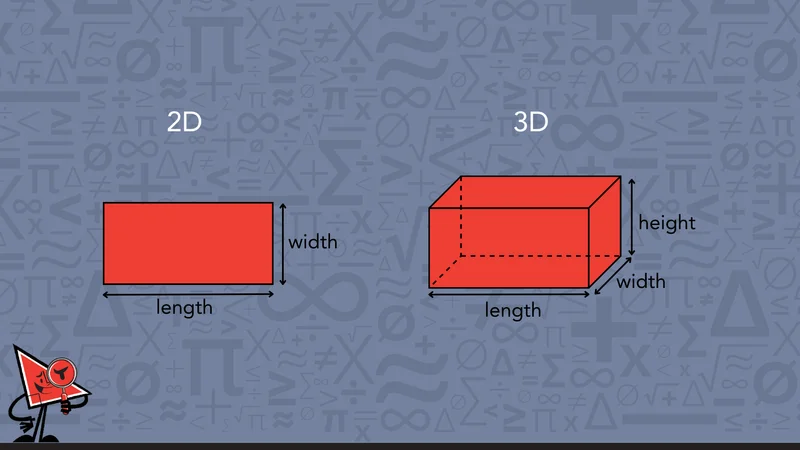
The progression from 2D to 3D shows how adding height turns a flat rectangle into a three-dimensional rectangular prism.
Simple two-dimensional shapes provide the starting point for designing many everyday objects and structures.
That's why we'll spend a little more time with triangles, rectangles (including squares), and circles because they lay the foundation for many of the geometric ideas students build on as they learn about more complex shapes.

1. Triangles
A triangle is a flat shape with three straight sides and three angles. It is the simplest polygon because it has the fewest sides possible.
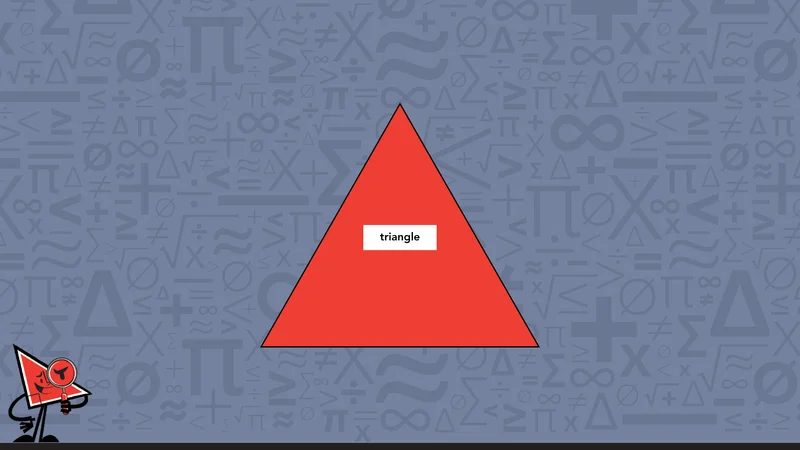
Triangles are one of the most important building blocks of geometry because almost every straight-sided shape can be divided into triangles. For example, we can divide a pentagon into three triangles by drawing diagonals from one corner. We can also divide it into five triangles by connecting the center to each corner.
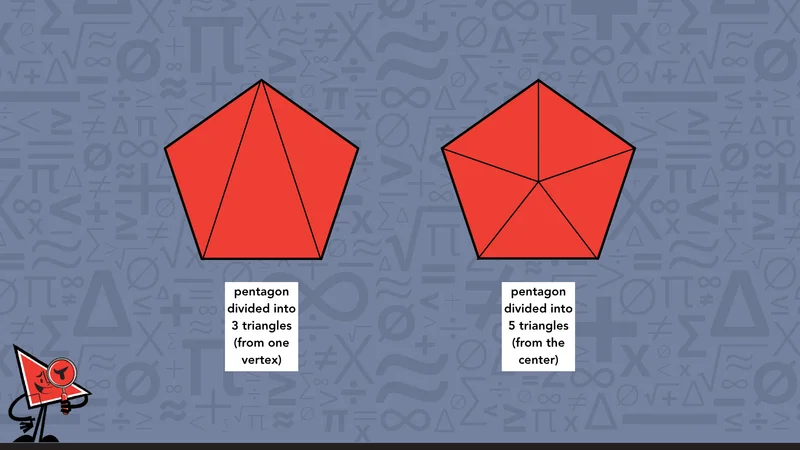
When we split a more complex shape into triangles, we can make it much easier to measure them and understand how they fit together.
Its sides support one another, so the shape is difficult to bend without changing the length of one of its sides. That's why engineers and designers use triangles whenever strength and stability matter.
Here are a few places where such strength makes a difference:
|
Object
|
End
|
|
Movie starts at 6:00.
|
The triangular frame carries the weight of the roof without bowing inward.
|
|
Soccer practice starts at 16:00.
|
Triangular supports along the frame distribute the load of traffic evenly across the structure.
|
|
Recess starts at 11:00.
|
Each model is built from thousands of tiny flat triangles because a triangle always forms a perfectly flat surface, making it the most efficient building block for digital geometry.
|
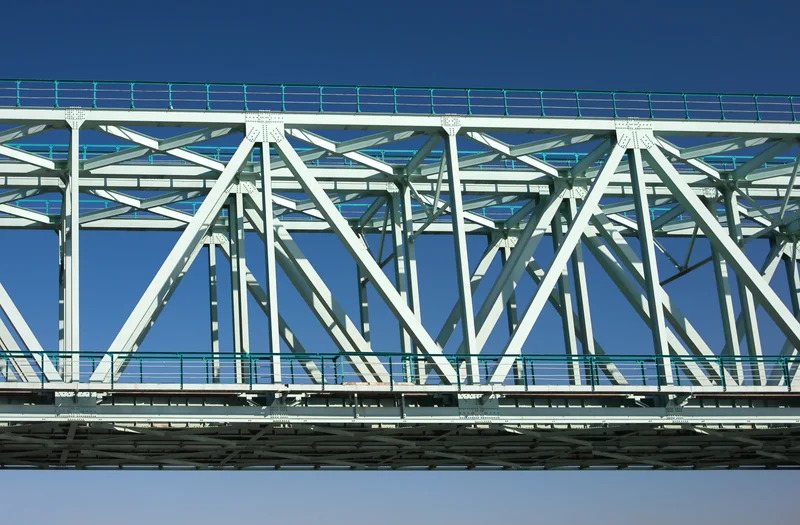
Repeated triangular supports help distribute weight and keep the bridge stable.
📕 You May Also Like: Types of Triangles: How to Classify by Sides and Angles (Grades 4–8)
2. Rectangles and Squares
A rectangle is a flat shape with four sides, four right angles (each angle measures 90°), and opposite sides that are equal in length and parallel.
Squares are special types of rectangles because they also have four right angles, but in a square, all four sides are equal.
So what does that tell us about the relationship between the two shapes? Every square is a rectangle, while a rectangle becomes a square only when all four sides are equal in length.
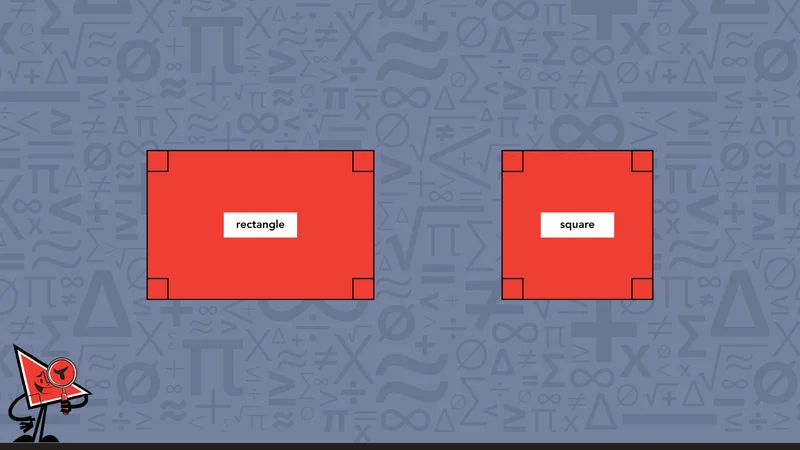
Right angles allow rectangles and squares to fit together neatly without leaving gaps. That's why they are easy to measure, stack, arrange side by side, and build with, which makes them some of the most common shapes in everyday design.
Here are a few familiar examples that show up in everyday objects:
|
Object
|
Why Rectangles and Squares Work
|
|
Rooms in a house
|
Straight sides and right angles allow walls, floors, and ceilings to fit together neatly.
|
|
Books, windows, phone screens
|
The rectangular-shaped tiles and stacks are without gaps, which makes them efficient for screens and shelves.
|
|
Packaging and shipping boxes
|
Flat rectangular faces make boxes easy to measure, fold, stack, and transport.
|
|
Pixel art and mosaic artworks
|
Square grids make alignment intuitive because the repeating right-angle structure keeps every element consistent.
|

School supplies, like notebooks, often use rectangular shapes because they fit together neatly and make better use of storage space.
📕 You May Also Like: 2D Shape Names: The Complete List from 3 to 12 Sides (Grades 3–7)
3. Circles
A circle is a perfectly round shape where every point on its edge is the same distance from the center. We call that distance the radius, while the distance across the circle through the center is called the diameter.
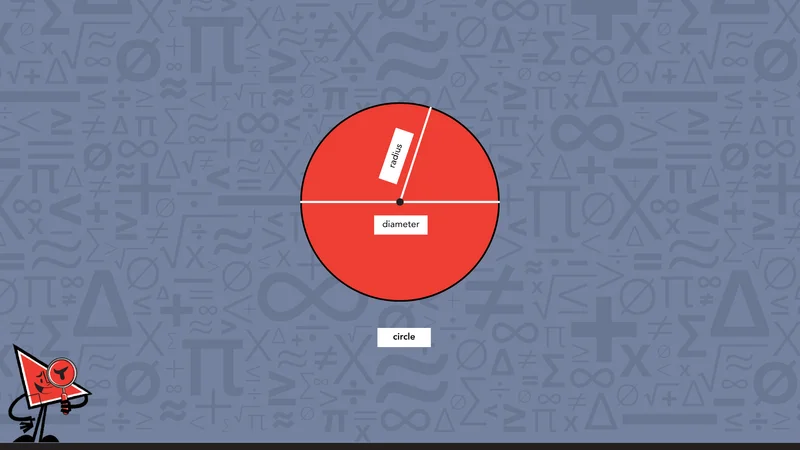
That equal-distance property is what makes circular objects roll smoothly without wobbling. Shapes with corners or uneven edges create a bumpier path because the distance from the center changes as they rotate.
The circle's radius stays the same all the way around, so it meets the ground at the same height throughout every rotation.
Let's see where circles make everyday objects work more smoothly:
|
Object
|
Why Circles Work
|
|
Bicycle wheels
|
Every rotation covers the same distance, and the ride stays smooth because the radius is constant all the way around.
|
|
Clocks
|
A hand rotating around a center point sweeps through time continuously without stopping or jumping.
|
|
Roundabouts
|
The circular layout allows drivers to enter and exit at different points without sharp turns or full stops.
|

The circular shape lets the clock hands move evenly around the center to mark the passage of time.
📕 You May Also Like: Parts of a Circle: Guide to Circle Vocabulary and Geometry Terms
How Angles Guide Movement
An angle forms when two rays or line segments meet at a common endpoint. Its measure tells us how far one ray turns away from the other.
Different angle sizes help us change direction, position objects, and design structures for distinct purposes.
This time, we’ll focus on right, acute, and obtuse angles because students use them to recognize and compare many of the angle relationships and geometry concepts they study later and to understand how familiar objects and structures are positioned and designed.
A. Right Angles
A right angle is an angle that measures exactly 90°. It forms when two lines or surfaces meet to create a square corner.
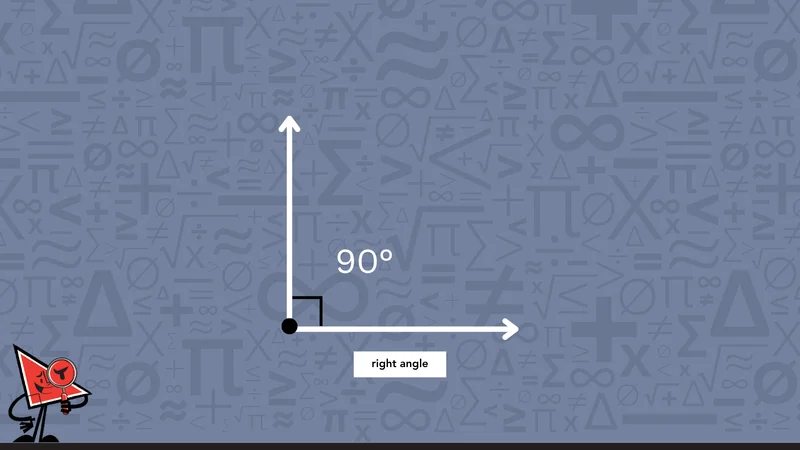
Because right angles are precise and symmetrical, they make layout and measurement easier. When two surfaces meet at exactly 90°, they align cleanly without any lean or drift, which is why builders and engineers rely on them wherever accuracy matters.
Here is where right angles can appear:
|
Object
|
Why Right Angles Work
|
|
Corners of rooms and buildings
|
Walls meet at 90° so floors sit level and ceilings align cleanly above them.
|
|
Road intersections
|
Right angles create clear, predictable crossings that help drivers judge turns more easily.
|
B. Acute Angles
An acute angle is an angle that measures more than 0° but less than 90°. These angles are sharper than a right angle, so they look like they’re leaning in or closing up.
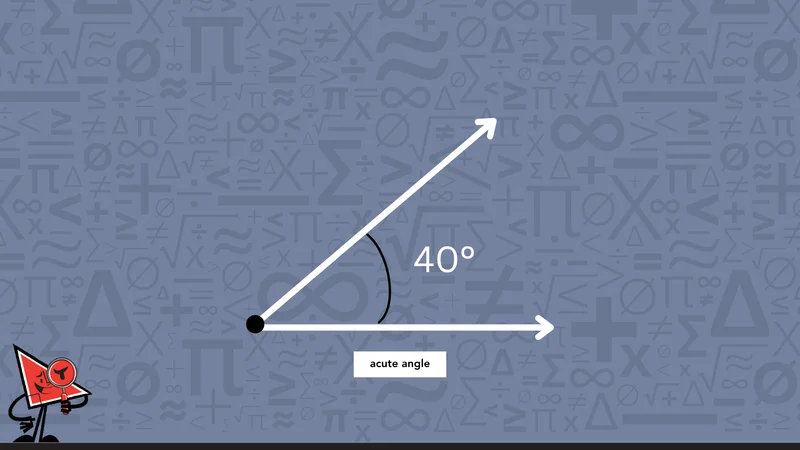
Since acute angles are smaller than a right angle, they create steeper, more pointed forms. That pointed quality is useful wherever water needs to run off, or where a surface needs to guide movement gradually upward without a sudden jump.
Let’s see where acute angles can show up:
|
Object
|
Why Acute Angles Work
|
|
Roof pitches
|
The incline of a roof forms an acute angle relative to the flat ground. This steep pitch sends rainwater running off quickly rather than letting it pool at the top.
|
|
Ramps
|
The gradual incline allows people and vehicles to travel upward without an abrupt change in direction.
|
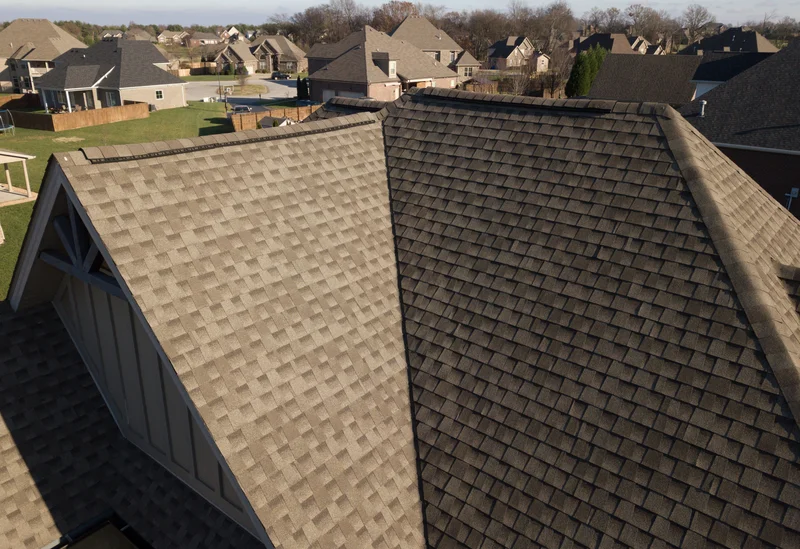
The sloping sides of a roof use acute angles to improve water drainage.
C. Obtuse Angles
An obtuse angle is an angle that measures more than 90° but less than 180°.
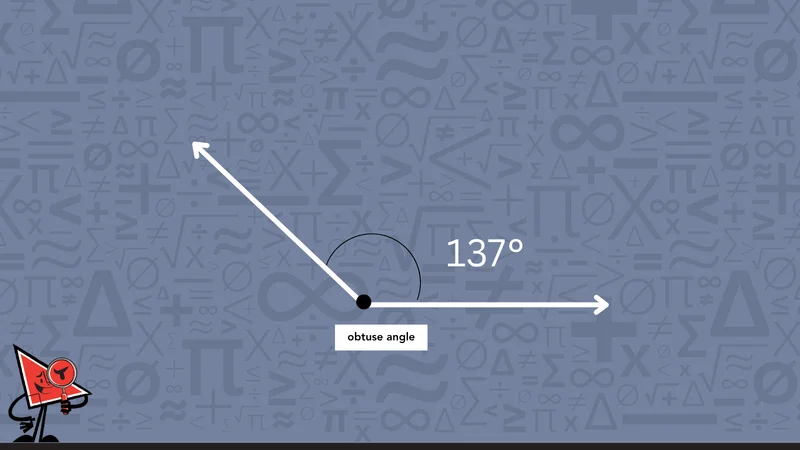
Because obtuse angles are larger than a right angle, they create wide, open shapes. That openness is useful wherever a structure needs a stable base or a gate needs enough clearance for people and objects to pass through comfortably.
Let’s see where you can spot obtuse angles:
|
Object
|
Why Obtuse Angles Work
|
|
Playground slides and climbing frames
|
Obtuse angles help create wide, stable frames that support weight and improve balance.
|
|
Gates and doors
|
Opening to an obtuse angle provides enough clearance for people and objects to pass through comfortably.
|
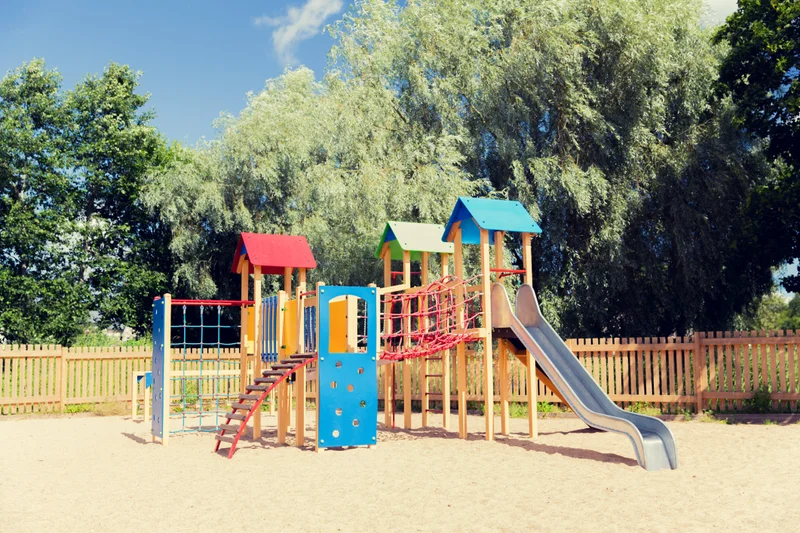
Many playground structures use obtuse angles to create wide, stable frames that support children as they climb and play.
📕 You May Also Like: Types of Angles: How to Identify Straight, Right, Acute, and Obtuse Angles?
How We Measure Shapes in Real Life
Measurement is the process of finding out how big, long, heavy, or full something is by using standard units. We can measure the same object in different ways, depending on what we want to know about it.
To do so, we use measurements such as perimeter, area, and volume.
1. Perimeter
The perimeter tells us how far around the outside edge of a shape runs.
Think of the perimeter as walking all the way around a shape and counting every step. For example, before builders install a fence around a sports field, they calculate the perimeter to determine how much fencing material they need. No matter what shape the field has, the perimeter measures the total distance around the outside.
📕 You May Also Like: Perimeter vs. Area: Why Kids Mix Them Up and How to Teach the Difference
2. Area
Area tells us how much surface a shape covers.
Imagine painting a wall. The area tells us how much paint we need because it measures the size of the surface. The larger the wall, the more paint it takes, which is why painters calculate area in square feet or square meters before they begin.
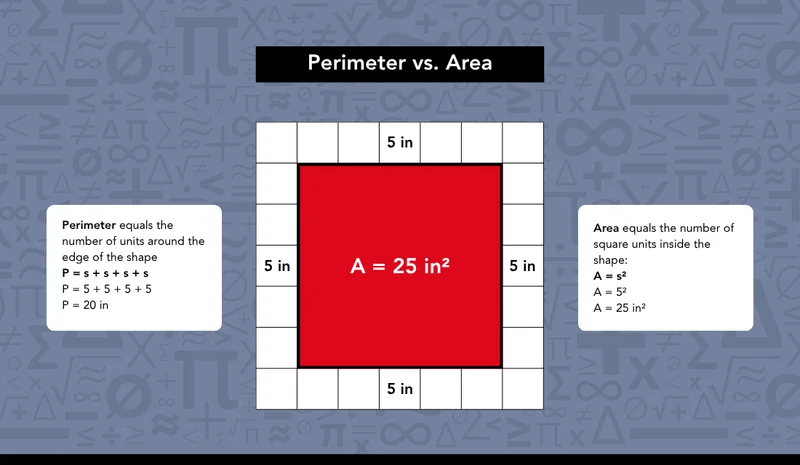
Perimeter and area describe different parts of the same shape. Perimeter measures the distance around the outside, while area measures the surface inside.
3. Volume
Volume tells us how much space exists inside a three-dimensional shape.
Water is a helpful way to think about volume because it fills the space inside an object. When you pack a moving box, its volume tells you how much can fit inside. A larger volume holds more, while a smaller volume holds less, even if two boxes look similar from the outside.
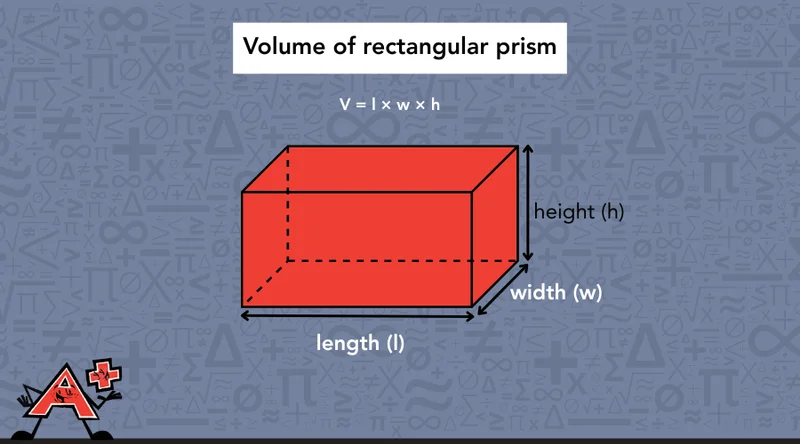
Volume measures the space inside a three-dimensional object, such as this rectangular prism.
📕 You May Also Like: Surface Area vs. Volume: What They Measure and How to Tell Them Apart
How Mathnasium Helps Students Master Geometry (And Any Other Math Concept)
Mathnasium is a math-only learning center dedicated to helping K–12 students of all skill levels excel in math.
Whether students are just beginning to learn geometry or working through more advanced concepts, our specially trained geometry tutors help them connect geometric concepts to logical reasoning and real-world applications.
To do that, we use the Mathnasium Method™, our proprietary teaching approach, which is designed around each student's needs and learning style. Our approach includes:
-
Assessment and Personalized Learning Plans: Each student begins their Mathnasium journey with a diagnostic assessment that identifies current skills, strengths, and gaps. From those findings, we build a personalized learning plan tailored to their goals.
-
Teaching for Understanding: Our specially trained tutors use natural language and a mix of verbal, visual, mental, tactile, and written techniques so each concept lands before we move forward.
-
Problem-Solving and Critical Thinking: We give students time to work through problems independently. That productive struggle helps them learn to trust their own reasoning. When we do step in, we explain both the how and the why behind each answer, so students build problem-solving and critical thinking skills they can use in math and beyond.
-
An Engaging and Fun Learning Environment: Sessions include games, earned rewards, and consistent celebration of progress. Students build confidence alongside fluency, and many develop a more positive relationship with math over time.
The impact extends beyond the classroom:
-
94% of parents report an improvement in their child's math skills and understanding
-
93% of parents report their child's improved attitude toward math after attending Mathnasium
-
90% of students saw an improvement in their school grades
With over 1,100 learning centers across North America, there is likely a Mathnasium close to you.
Families throughout Lake Nona and nearby communities, including Narcoossee, Meadow Woods, Southeast Orlando, Eagle Creek Elementary, and Laureate Park Elementary, trust Mathnasium of Lake Nona to help their children build lasting confidence in math.
If geometry or any other math concept is giving your child trouble, our team is ready to help.
📅 Schedule a Free Assessment at Mathnasium of Lake Nona
Not near Lake Nona?
📍 Find a Mathnasium Learning Center Near You


 (407) 243-6284